

As a beginner stepping into the world of guitars, the first big decision is often: acoustic or electric? At Tostar, we hear this question all the time from excited new players browsing our collection. Both types have their charm, but the right choice depends on your goals, lifestyle, and budget. In this guide, we'll explore the differences from a beginner's perspective – focusing on real-world factors like ease of learning, cost, and fun factor. We'll help you decide which path suits you best, and highlight our Tostar models that make starting out rewarding and affordable.
1. Acoustic Guitars for Beginners: The Unplugged Path
Acoustic guitars are the classic starting point for many players – no amp needed, just you and the instrument. The hollow body naturally amplifies the strings, producing that warm, rich tone perfect for strumming chords or fingerpicking melodies. As a beginner, the appeal is immediate: pick it up anywhere and play.
At Tostar, our acoustic lineup focuses on beginner-friendly features like comfortable necks and reliable tuning stability. The pros are clear: ultimate portability (beach, park, or bedroom sessions), no extra gear required, and a pure sound that teaches you to listen closely to your playing. Practicing on acoustic builds finger strength and calluses faster, laying a solid foundation for technique. It's also budget-friendly – you get a complete instrument ready to go.
However, acoustics can feel tougher at first. Thicker strings and higher action mean more initial finger soreness, and volume is limited without amplification. If you're in a noisy environment or want to explore effects like distortion, acoustic might feel restrictive early on.
Overall, acoustics shine for players who love the organic feel and want simplicity from day one.
2. Electric Guitars for Beginners: The Amplified Adventure
Electric guitars open a world of sonic possibilities. With pickups capturing string vibrations and sending them to an amp, you control volume, tone, and effects. This makes practice flexible – play quietly with headphones or crank it up for rock energy.
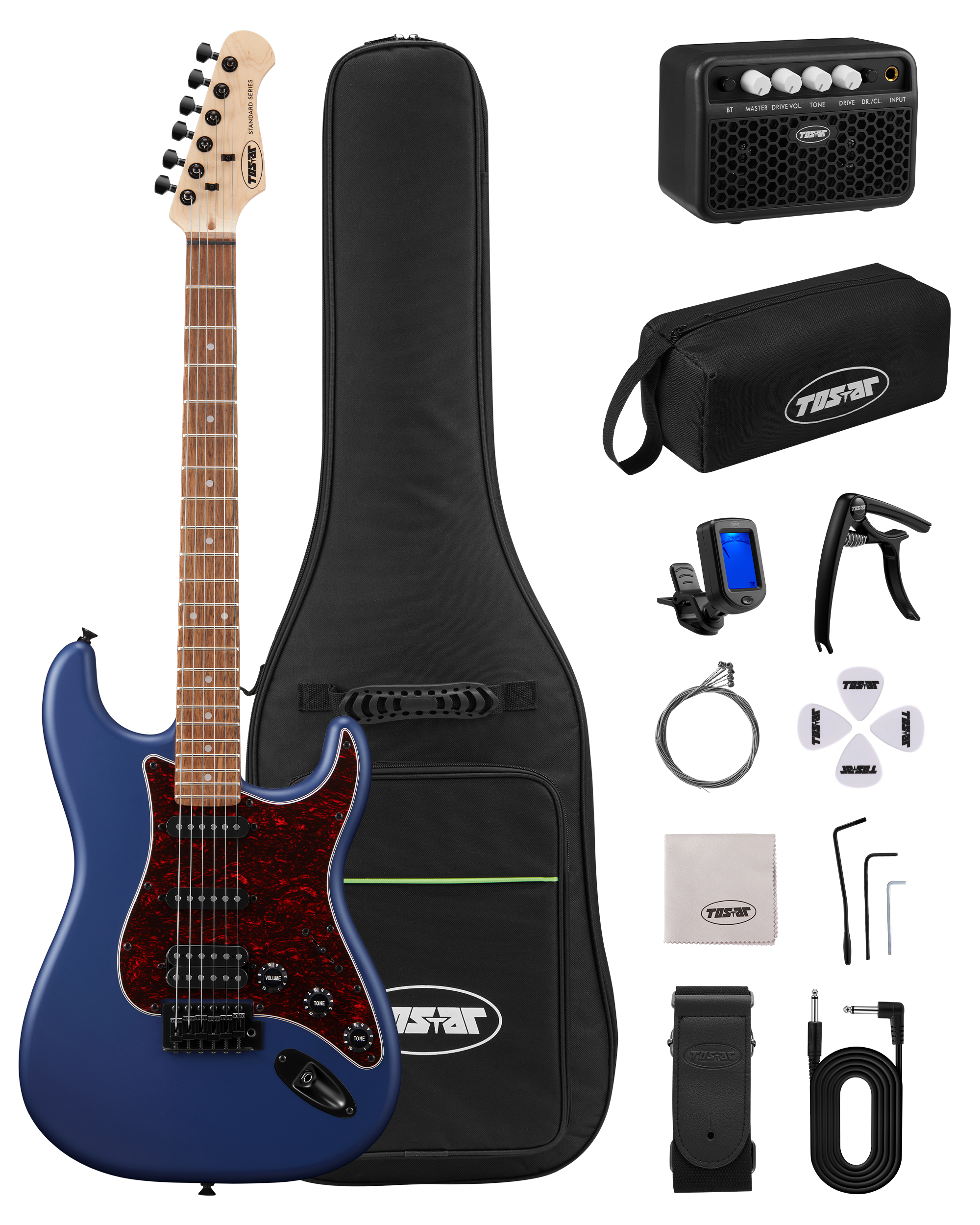
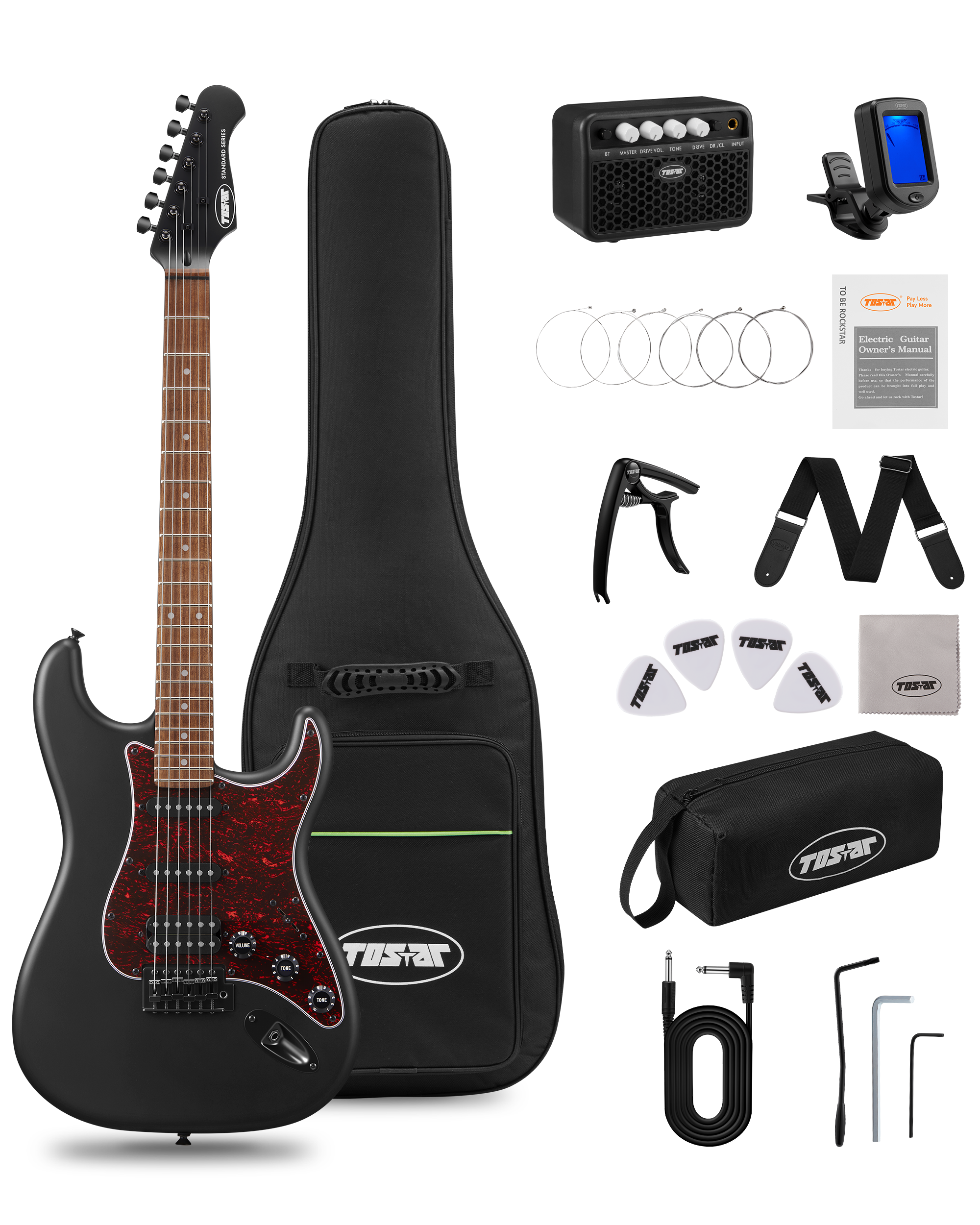
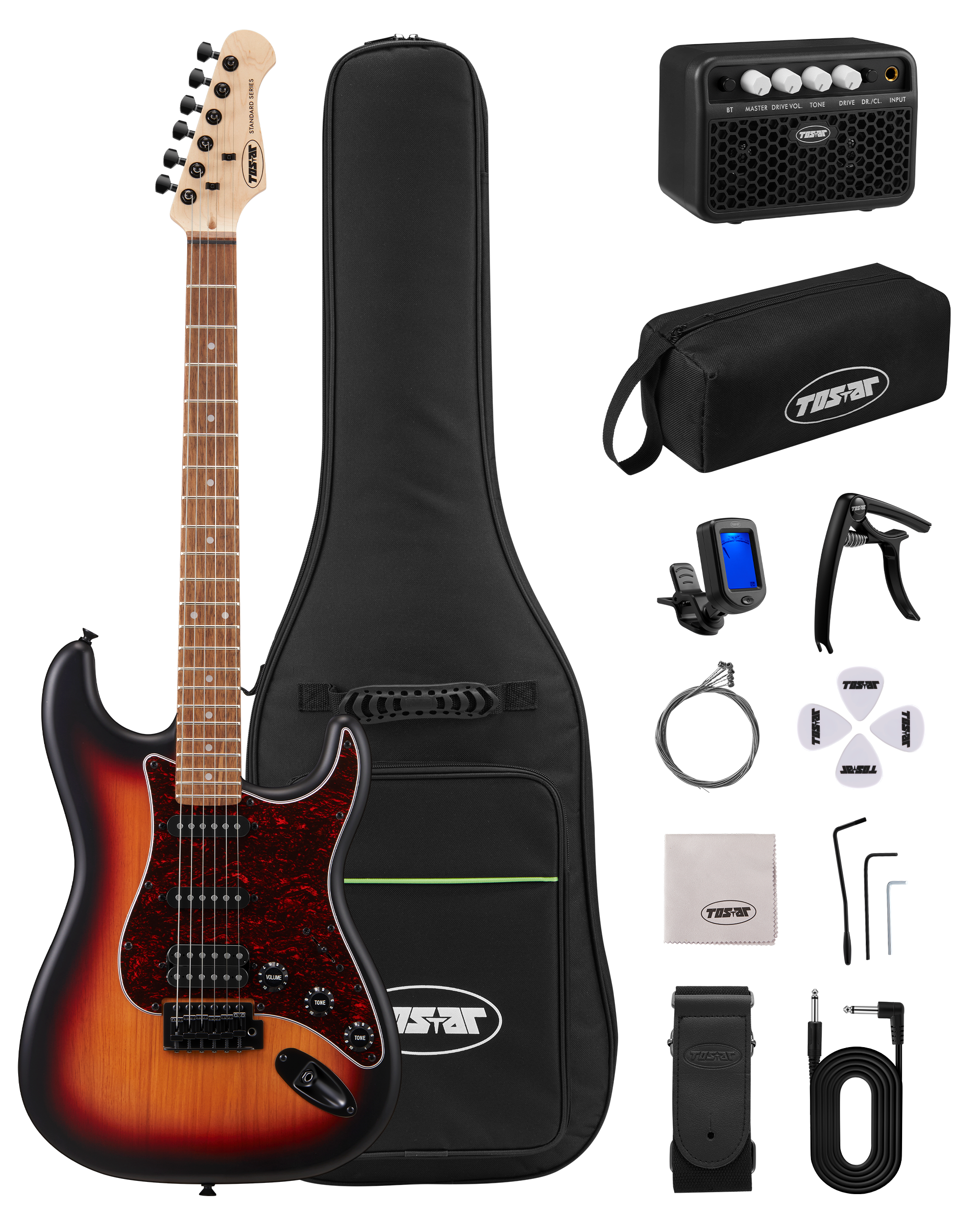
Tostar electric models, like our popular starter sets, are designed with beginners in mind: slim necks, low action for easy fretting, and versatile pickup configurations. The advantages are huge for new players: thinner strings reduce finger pain, making chords and scales more approachable. You can experiment with sounds right away, keeping motivation high as you dial in clean tones or crunchy overdrive.
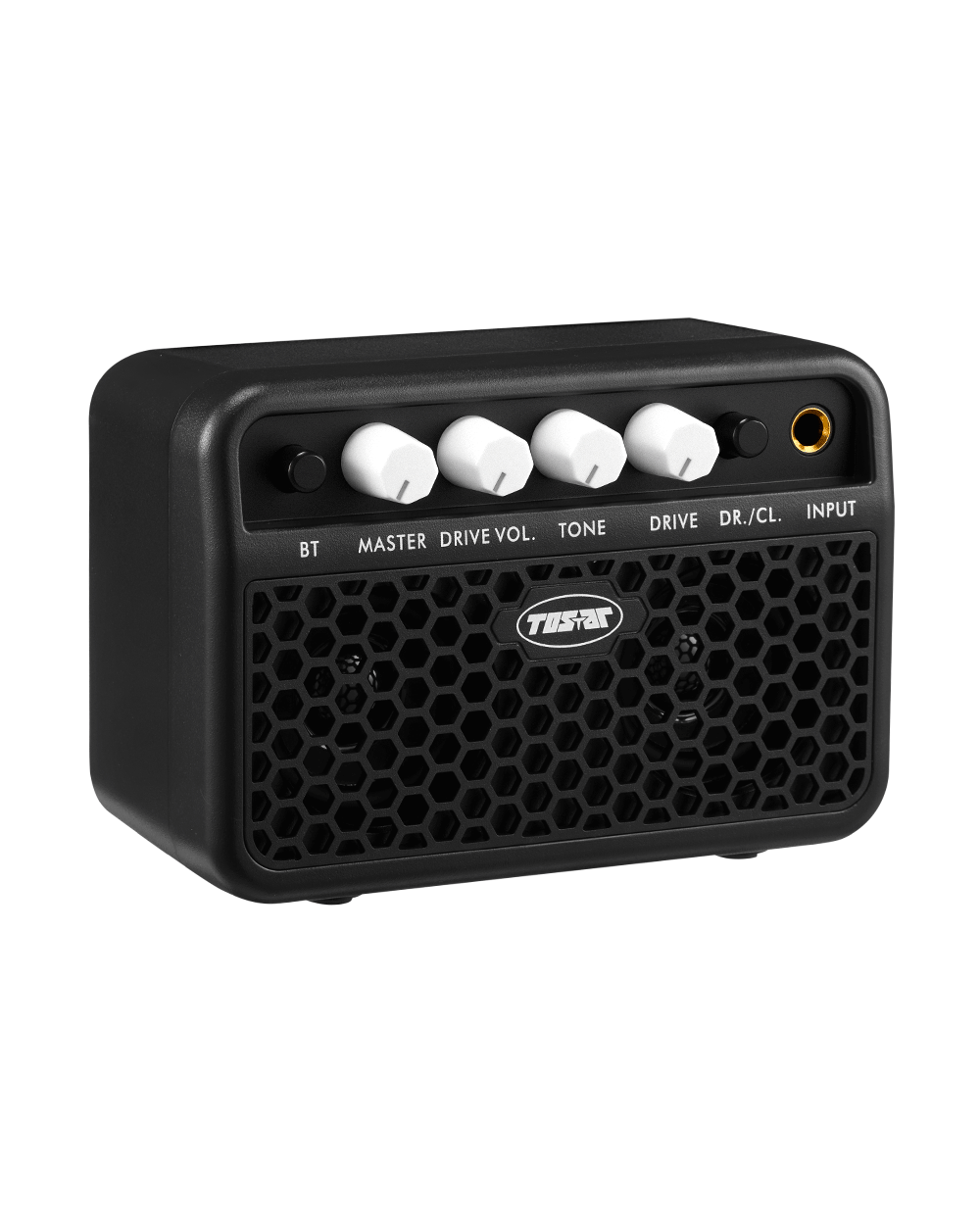
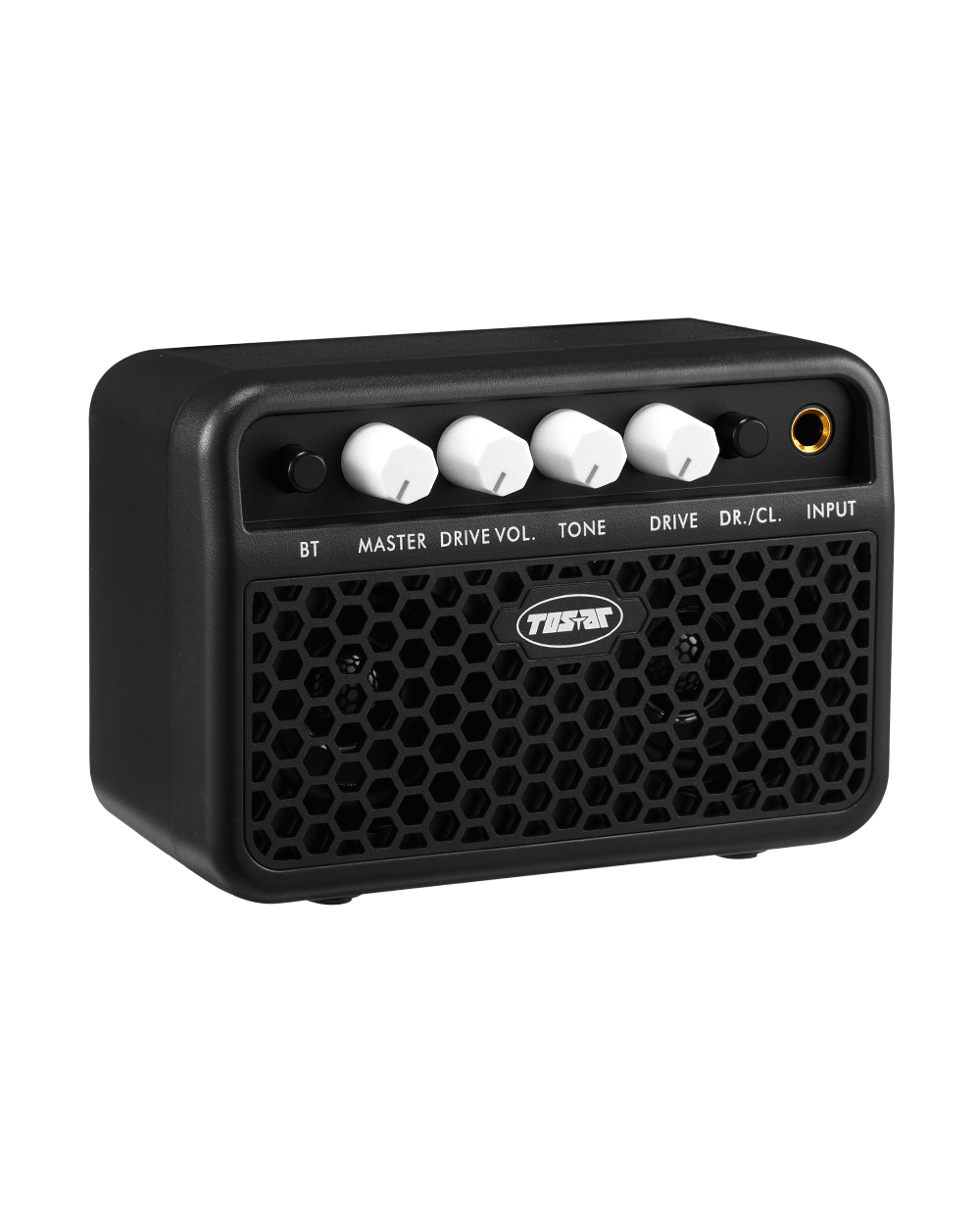
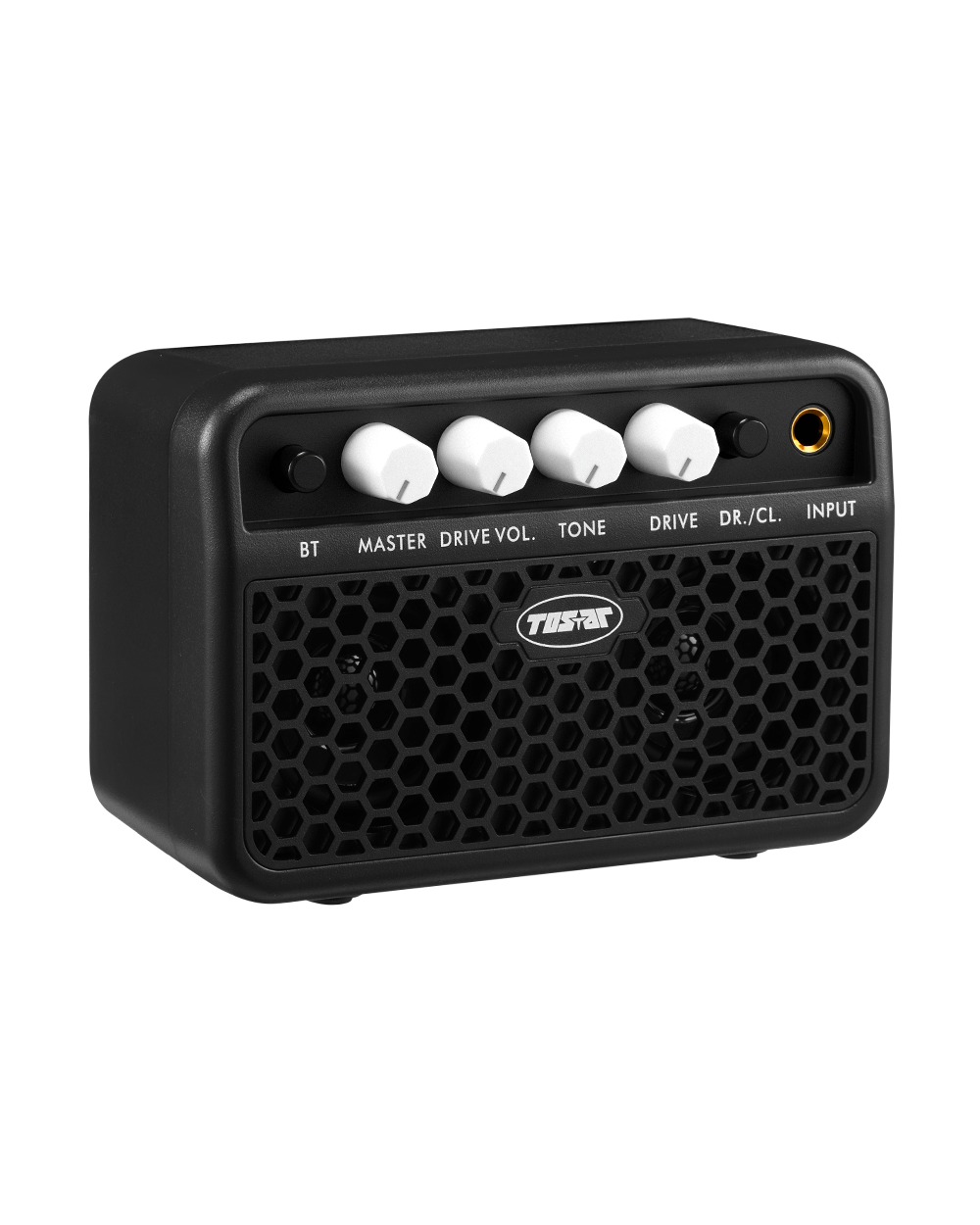
Electric also grows with you – add pedals later for endless styles. Our bundles include everything needed (amp, cable, strap), so you're set from unboxing. Downsides? You need power and basic gear, reducing pure portability, and setup learning (volume knobs, amp settings) adds a small curve. But Tostar's included practice amps deliver clear, enjoyable tone.
For beginners drawn to modern music, electric offers forgiveness and fun that keeps you playing longer.
3. Acoustic vs Electric: Side-by-Side Comparison
To help you visualize, here's a clear comparison based on beginner priorities. We've focused on practical aspects Tostar customers often ask about.
| Aspect | Acoustic Guitars | Electric Guitars |
|---|---|---|
| Playability | Higher action, thicker strings – builds strength but more initial discomfort. | Lower action, thinner strings – easier on fingers, faster progress. |
| Sound & Volume | Natural, warm tone; fixed volume (loud enough for small rooms). | Amplified, versatile tones; adjustable volume (quiet to loud). |
| Portability | Excellent – no extras needed. | Good, but requires amp/cables for full sound. |
| Cost (Starter Level) | $100-300 (complete instrument). | $200-400 (often bundled with amp). |
| Versatility | Great for folk, strumming, singer-songwriter styles. | Wide range – rock, blues, pop, metal with effects. |
| Learning Feedback | Raw sound reveals technique flaws immediately. | Forgiving; effects can enhance or mask early mistakes. |
| Maintenance | Simple – strings and tuning. | Slightly more – cables, amp care. |
| Sustainability | Traditional woods; some eco-options available. | Modern composites reduce wood use (like Tostar's eco bodies). |
No outright winner – it depends on you. Tostar's range covers both, with quality builds at accessible prices.
4. Key Factors to Consider When Choosing
As a new player shopping online or in stores, these factors often decide it. At Tostar, we design with beginners in mind, balancing them all.
Budget: Acoustics are cheaper standalone, but electric bundles (like ours) give full setups without surprise costs.
Music Style: Love acoustic strumming or singer-songwriter vibes? Go acoustic. Craving rock riffs, blues bends, or genre exploration? Electric's flexibility wins.
Practice Space: Apartment or shared home? Electric's quiet headphone option shines. Open areas or outdoors? Acoustic's plug-free freedom.
Physical Comfort: Sore fingers scare many off – electric's easier action helps persistence. Acoustics build endurance for long-term skill.
Motivation & Fun: Immediate gratification matters. Acoustic offers pure joy unplugged; electric thrills with effects and volume control.
Sustainability: Eco-conscious? Tostar's eco-composite electrics minimize environmental impact while delivering pro performance.
Weigh these honestly – many Tostar buyers start electric for the forgiving start and grow into acoustics later.
5. When Acoustic is the Right Choice
Acoustic suits beginners who:
- Want simplicity – grab and play anywhere without gear.
- Enjoy folk, country, or fingerstyle from the start.
- Prefer building strong fundamentals with natural feedback.
- Have tight budgets needing just one instrument.
- Love the classic, organic tone for solo or small-group play.
Tostar's acoustics deliver reliable quality for these paths, with comfortable playability straight out of the box.
6. When Electric is the Better Start
Electric excels for beginners who:
- Play modern genres – rock, pop, blues, or want effects early.
- Need finger-friendly setup to avoid early frustration.
- Practice in noise-sensitive spaces (headphones rule).
- Want versatility to experiment and stay motivated.
- Aspire to bands or recording from day one.
Tostar's electric starter sets make this path seamless and exciting, with everything included.
7. Our Recommendation for Beginners
There's no wrong choice – both acoustics and electrics launch great journeys. Many players eventually own both, but starting electric often keeps newbies hooked longer thanks to easier playability and sound options.
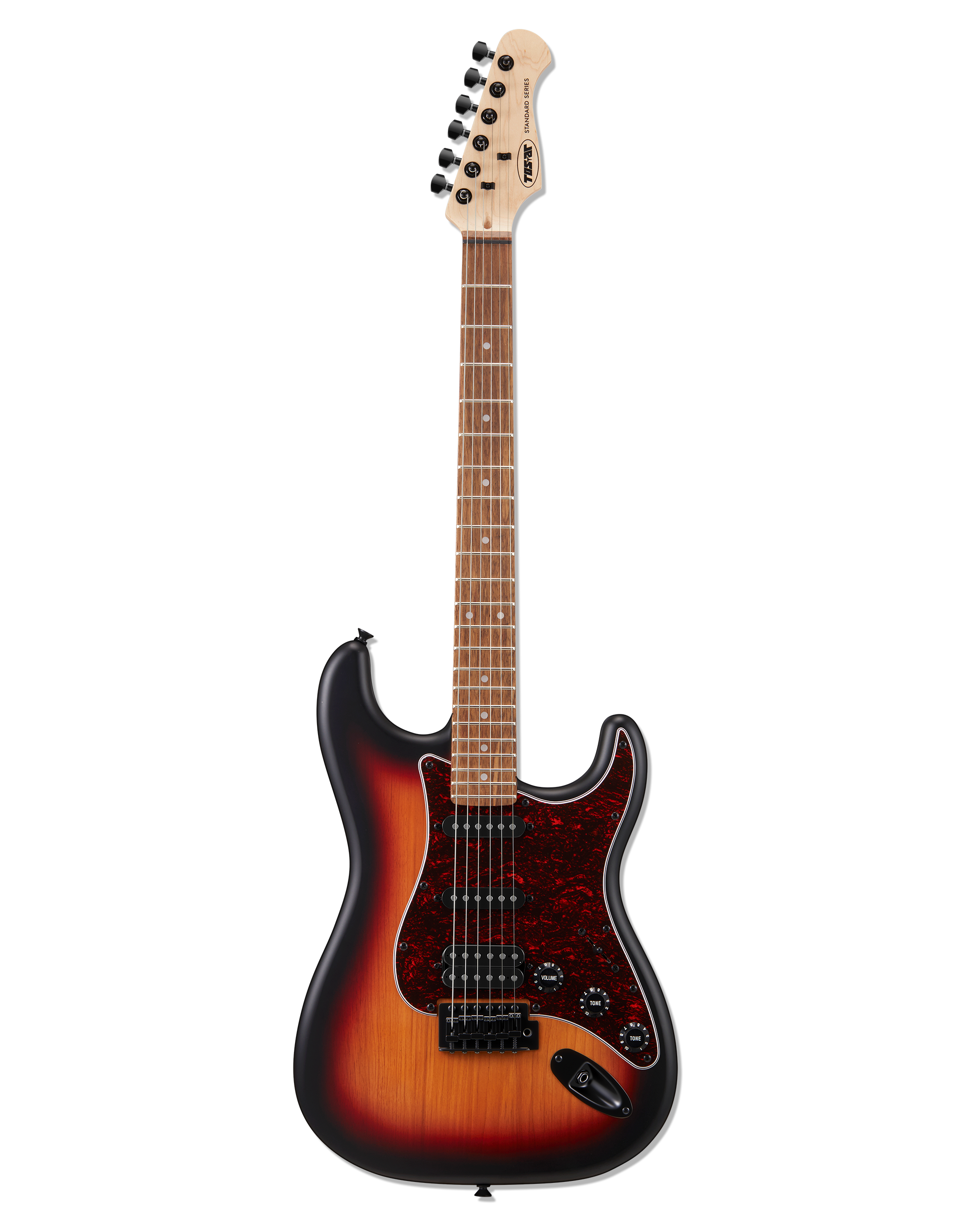
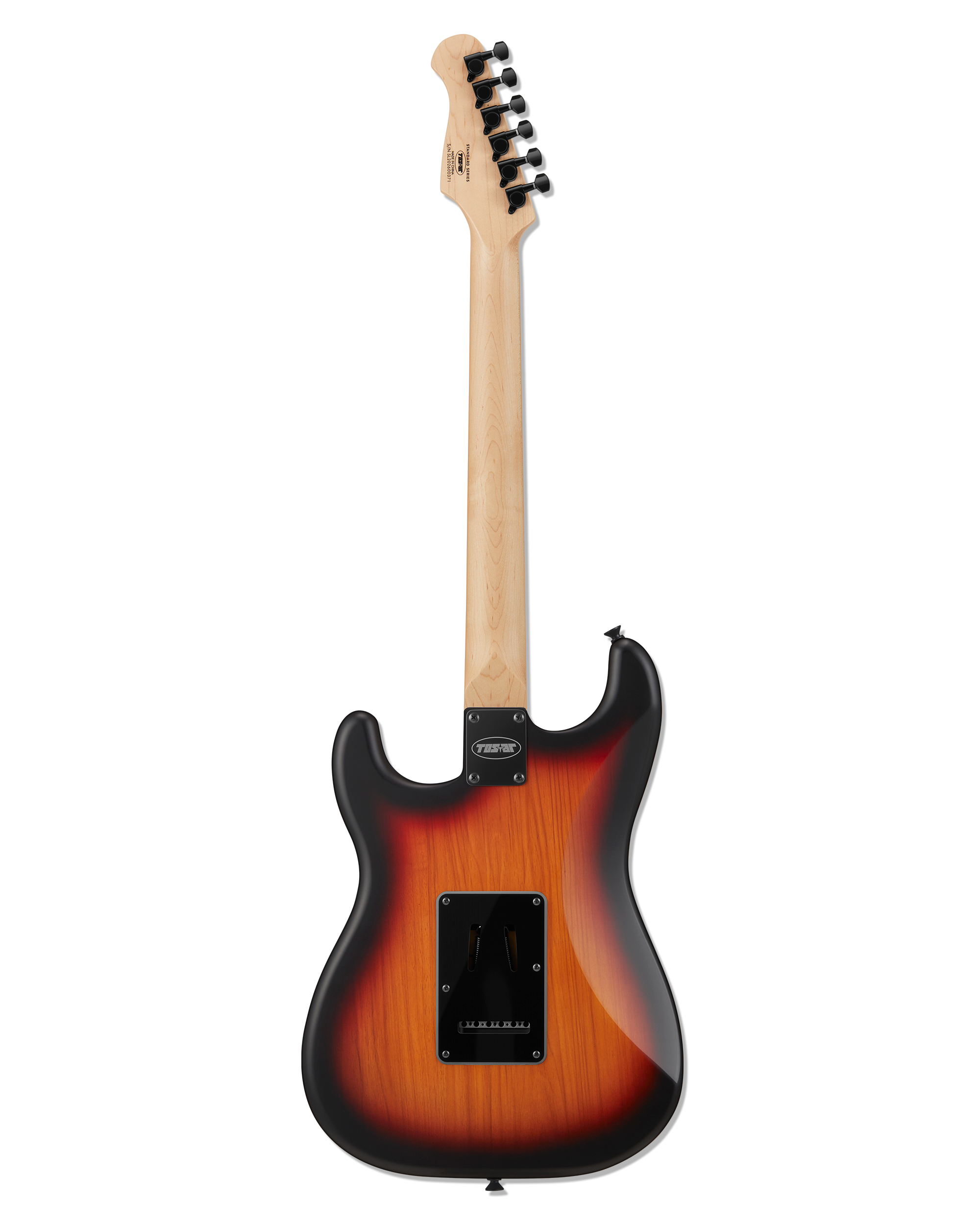
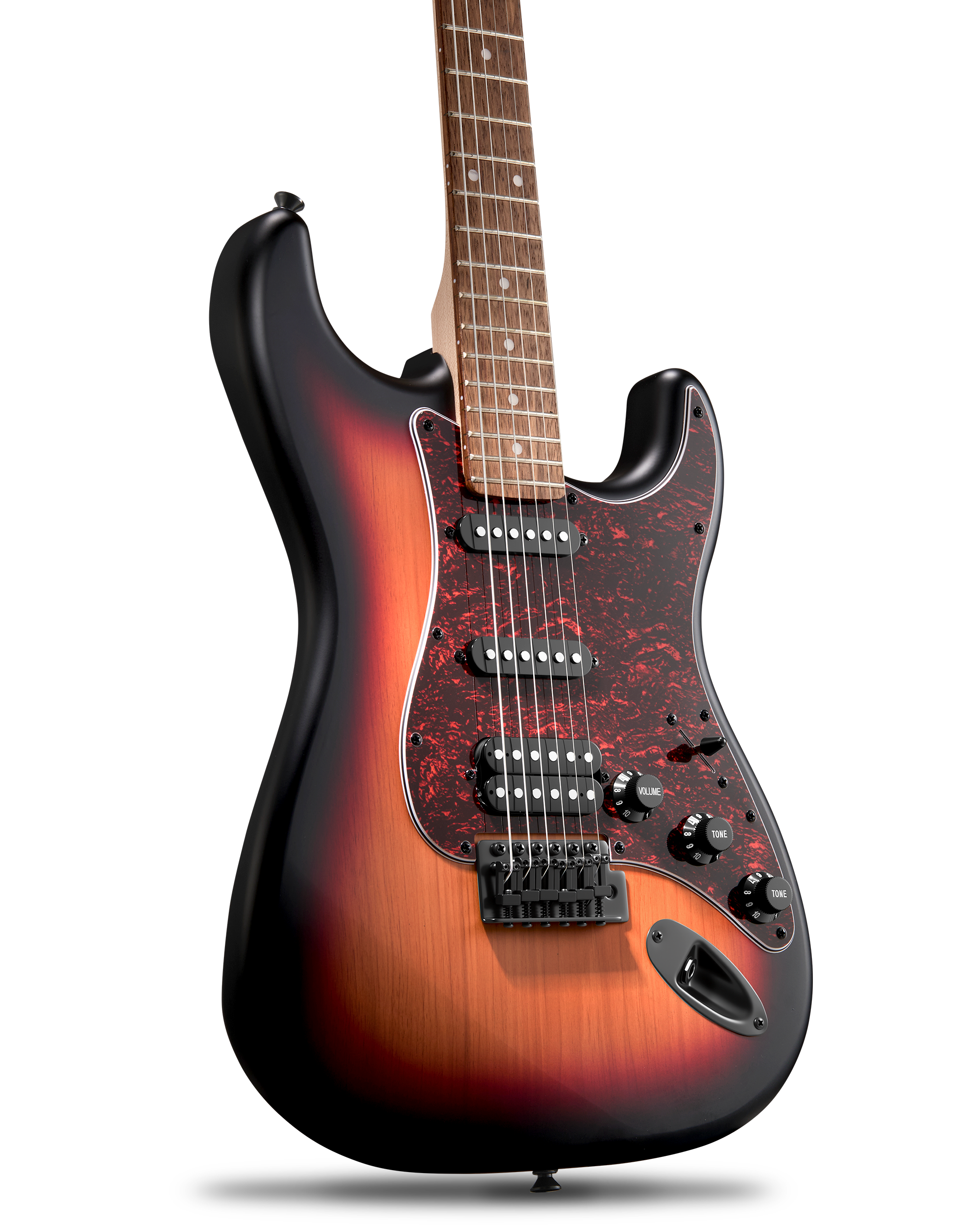
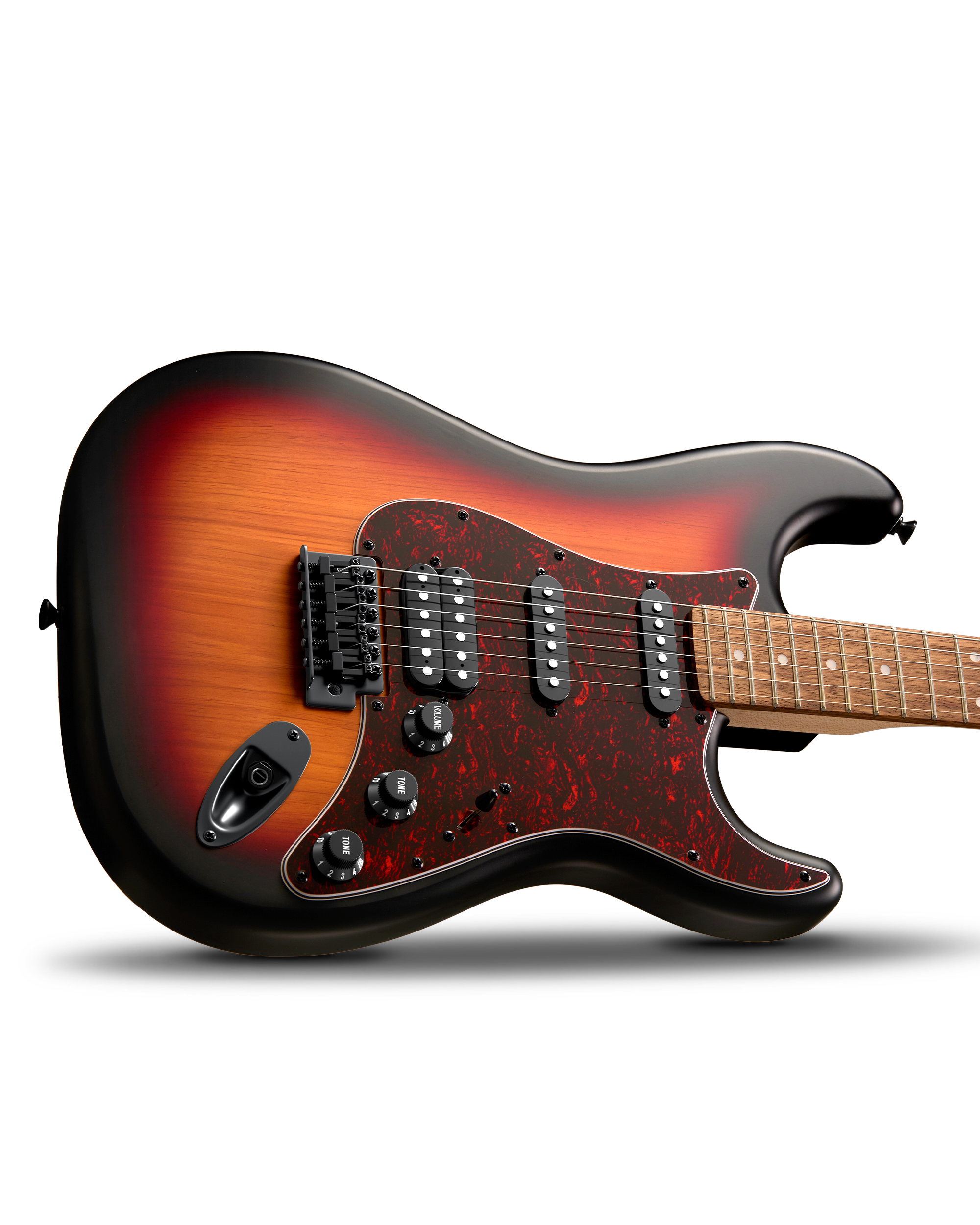
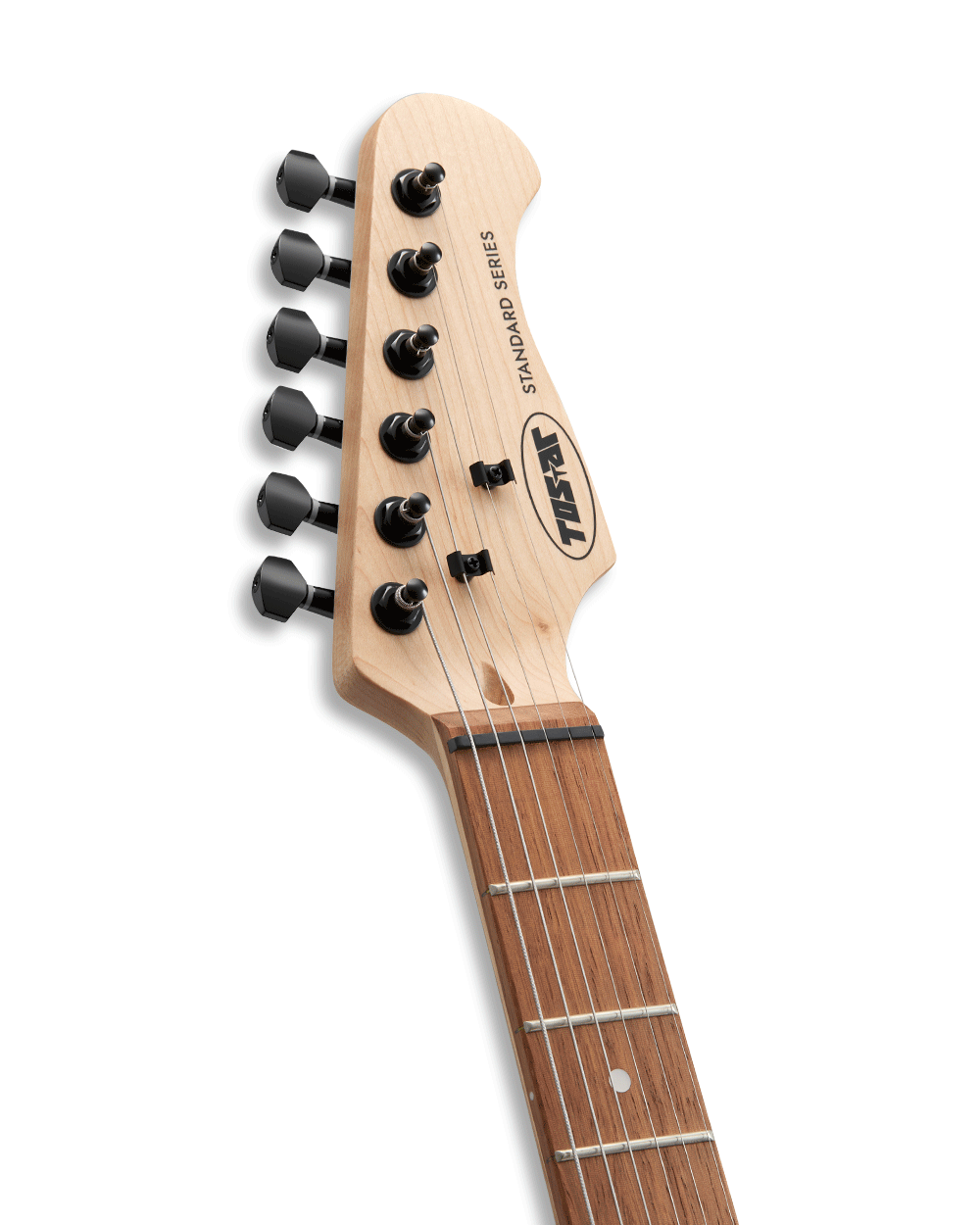
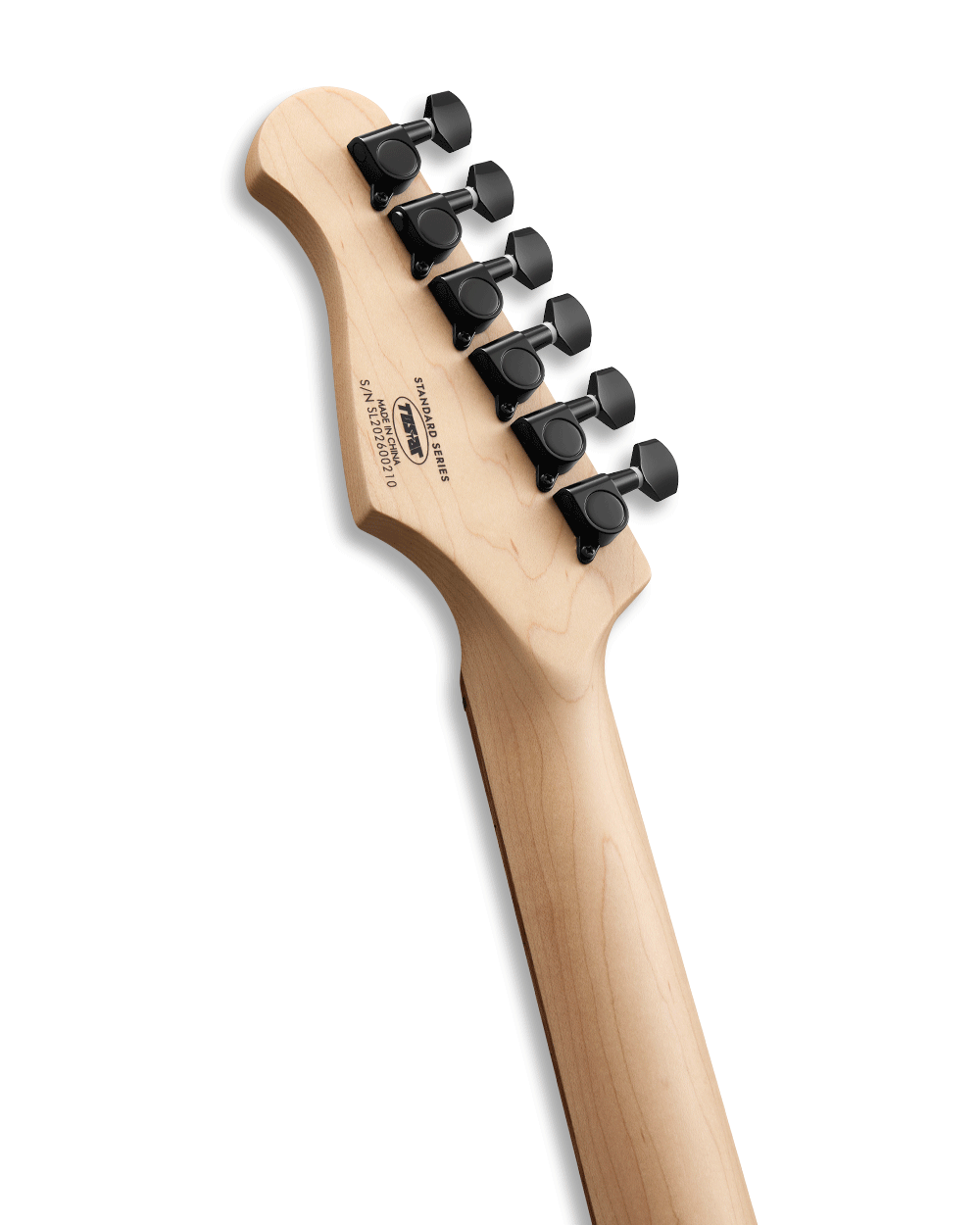
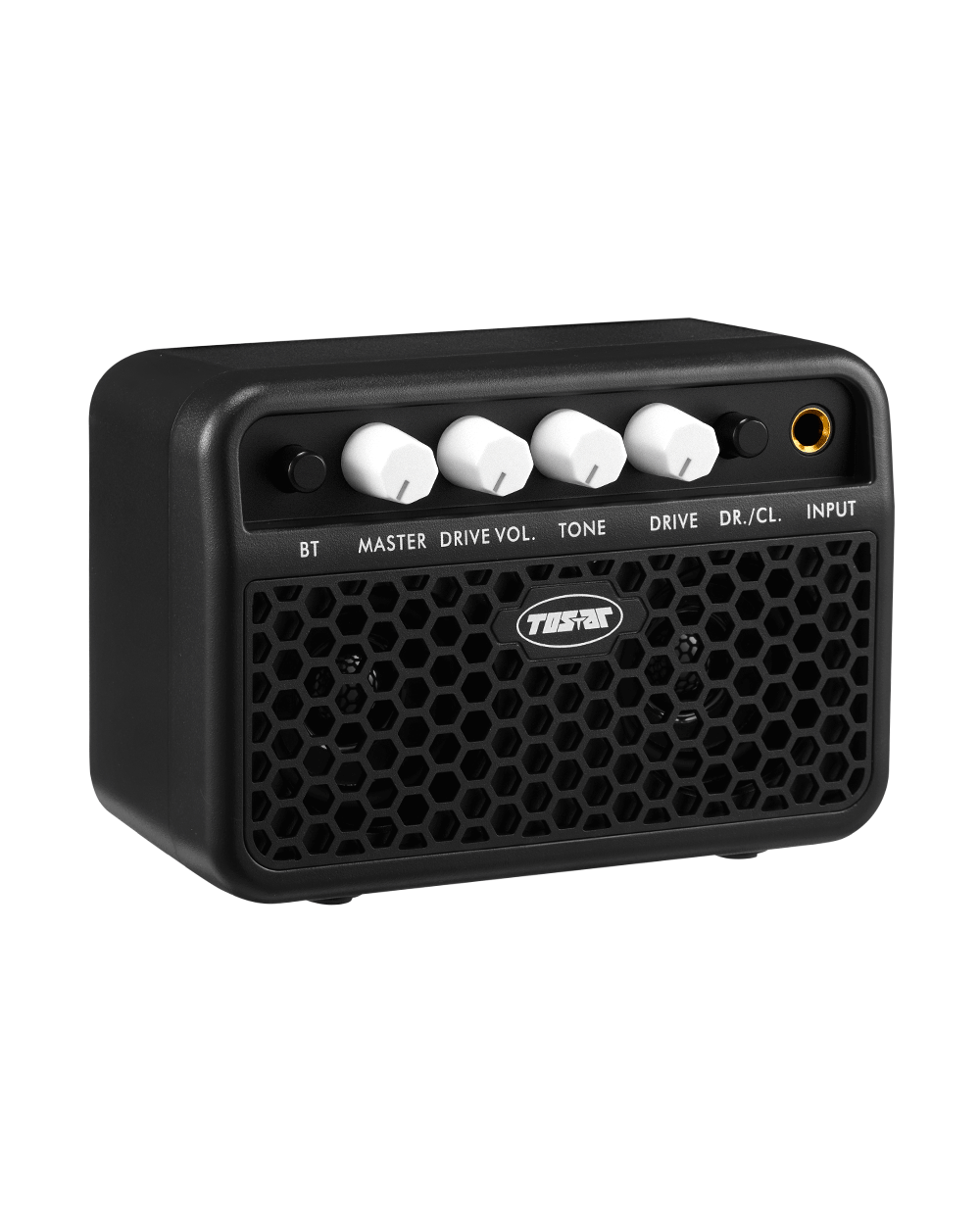
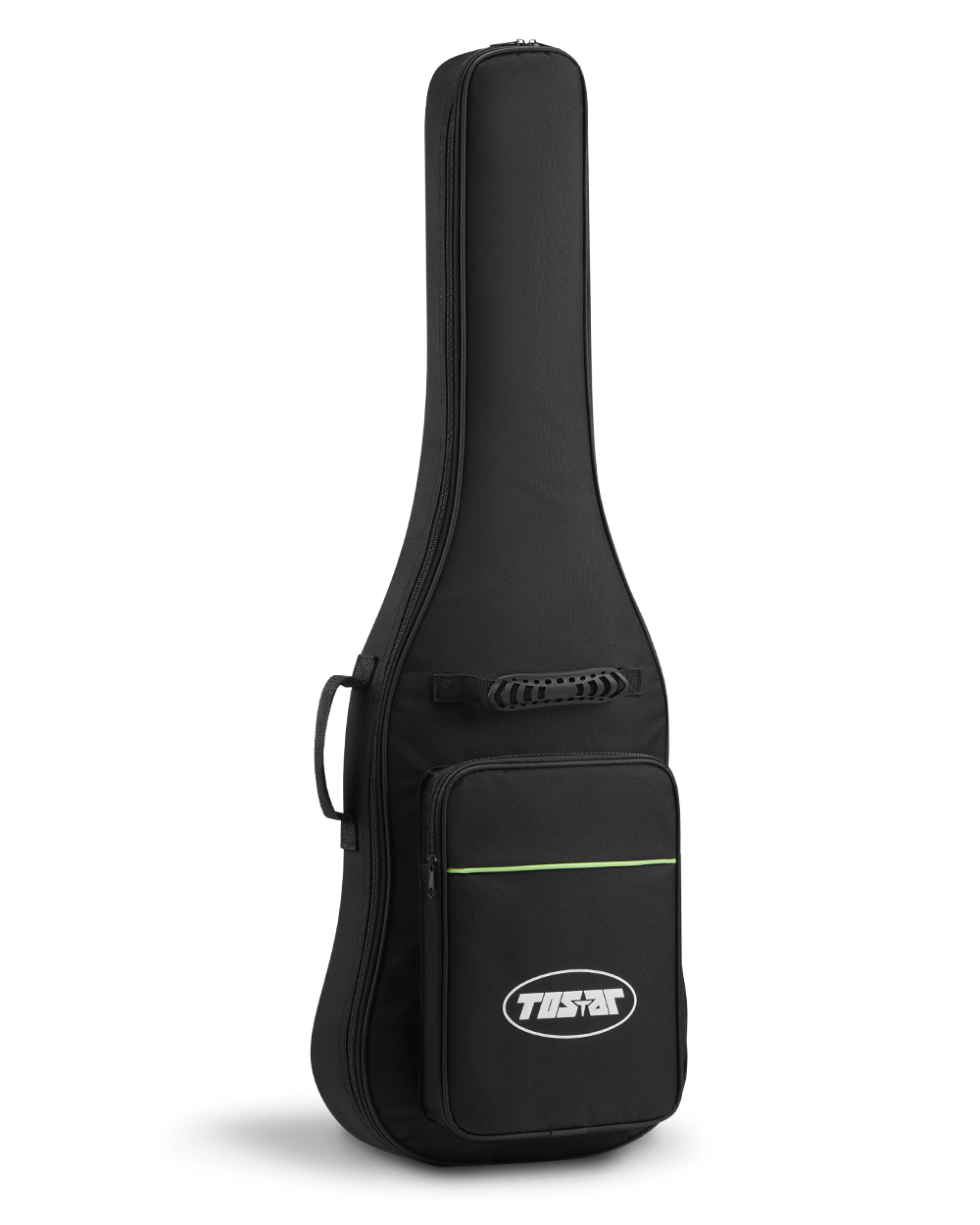
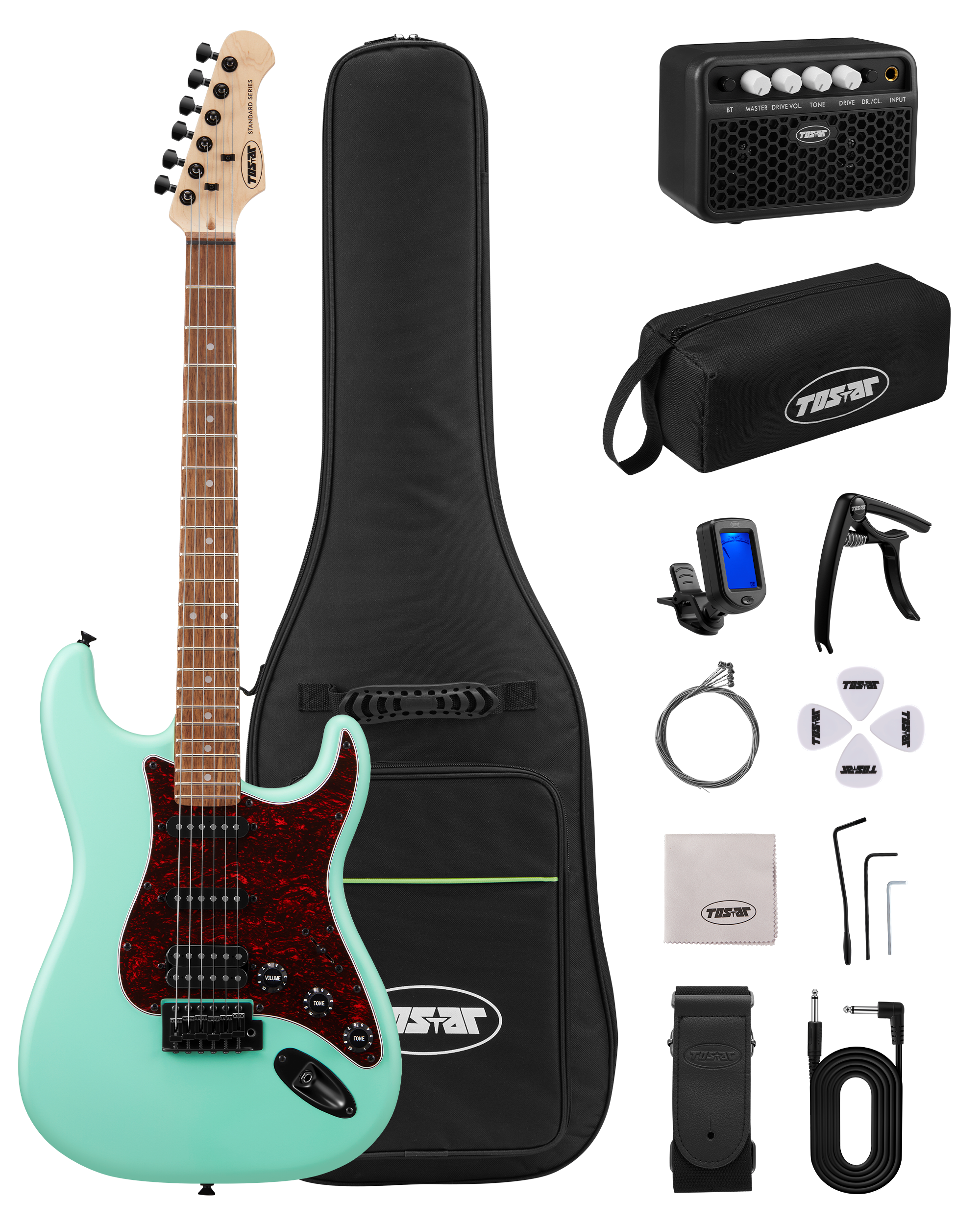
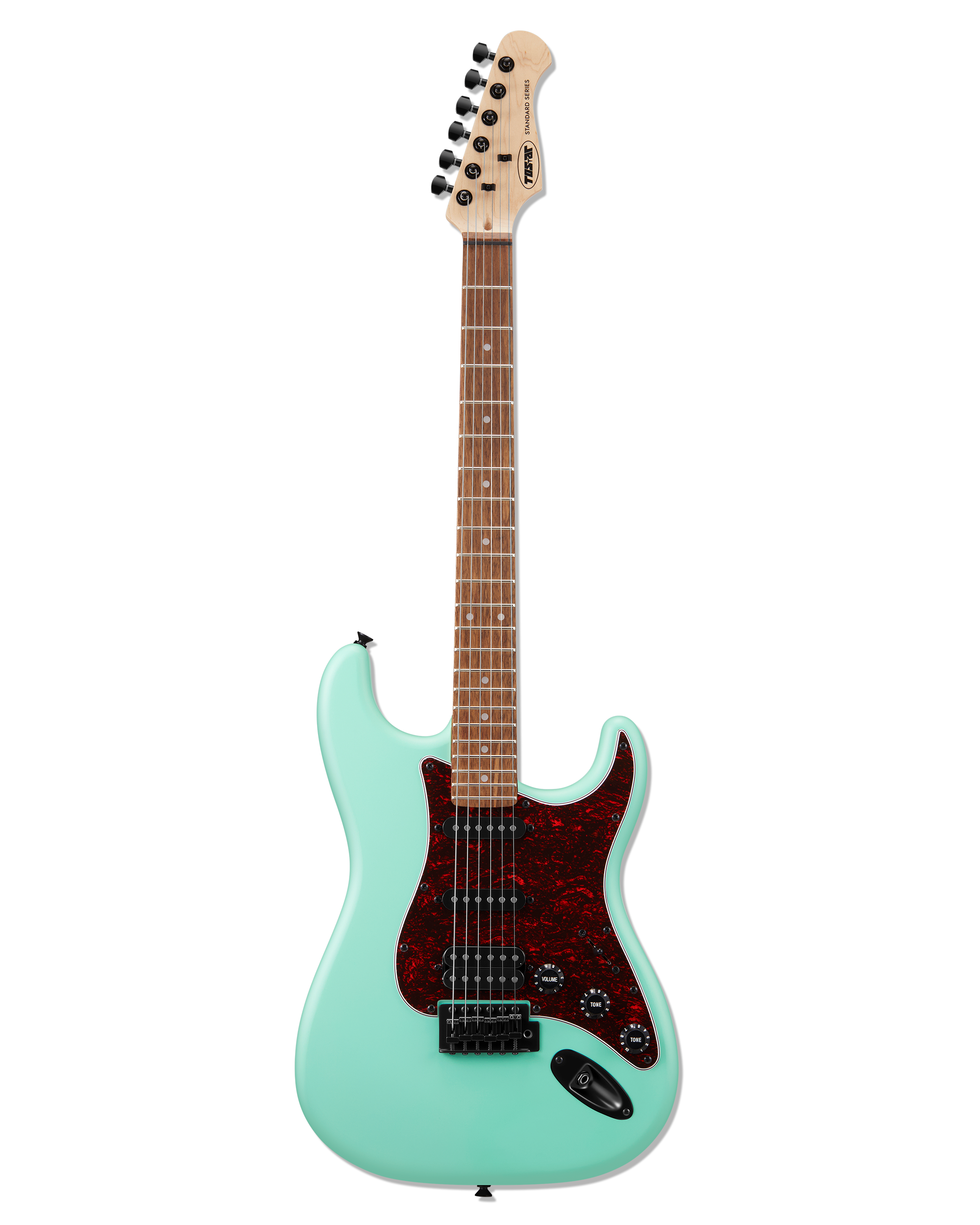
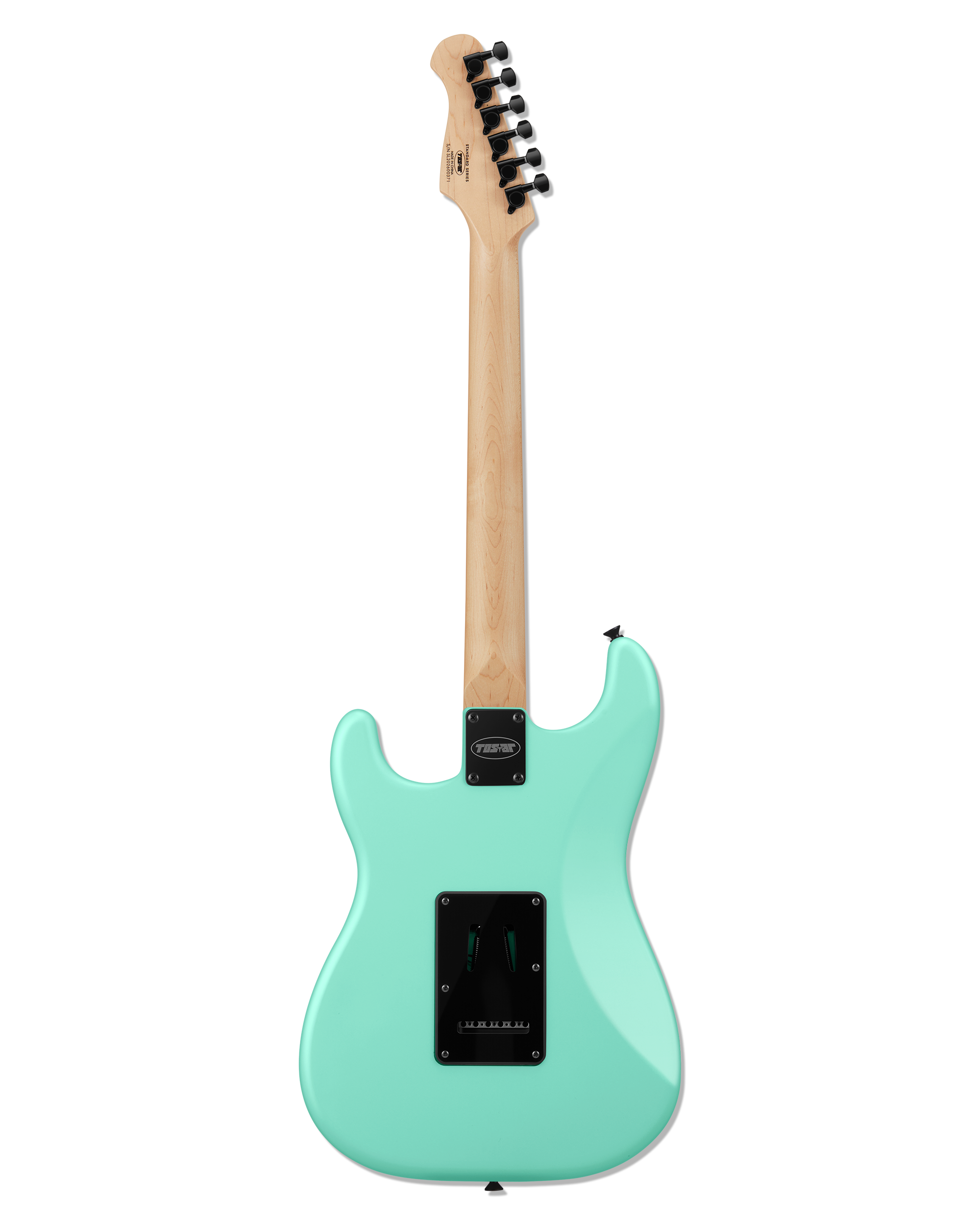
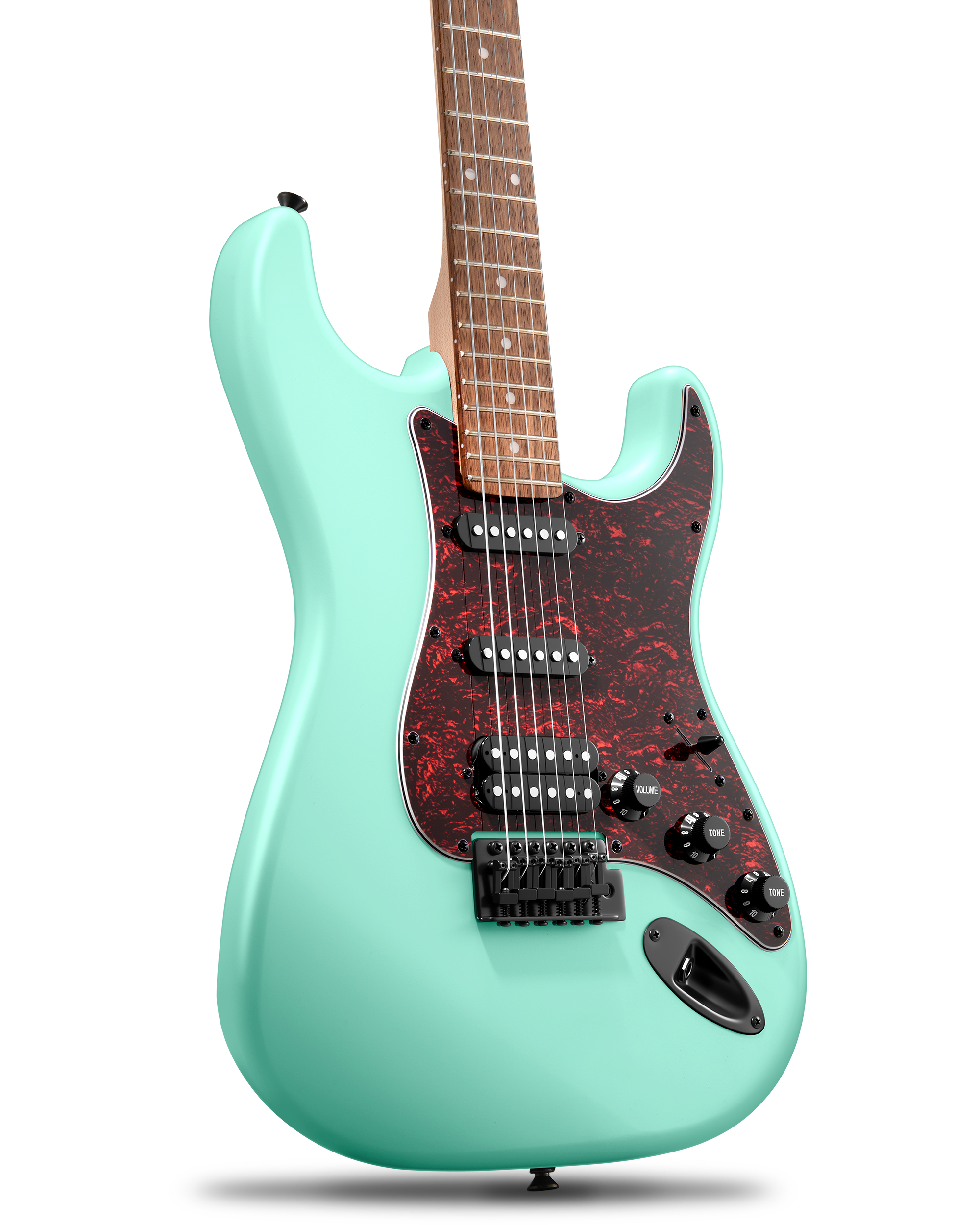
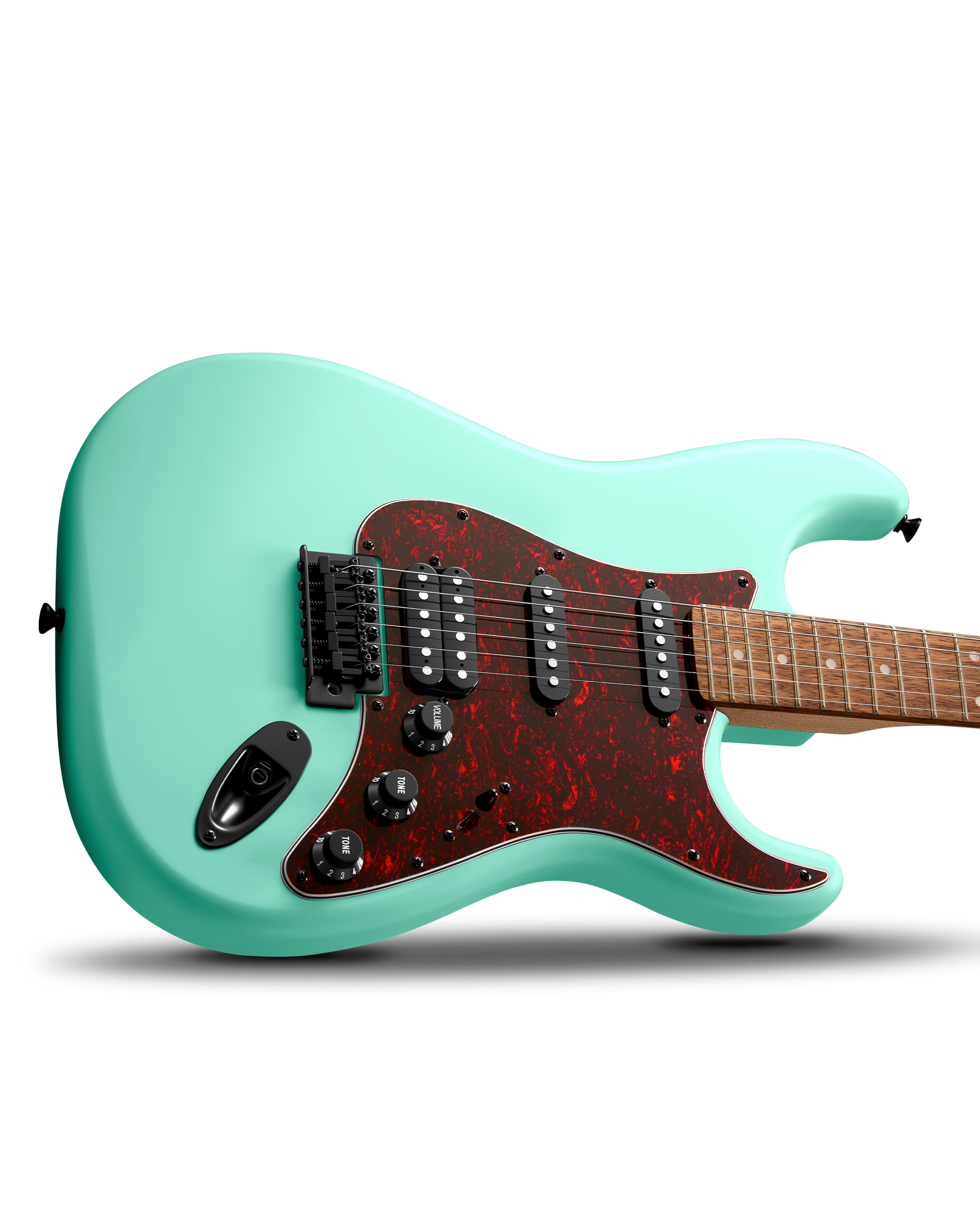
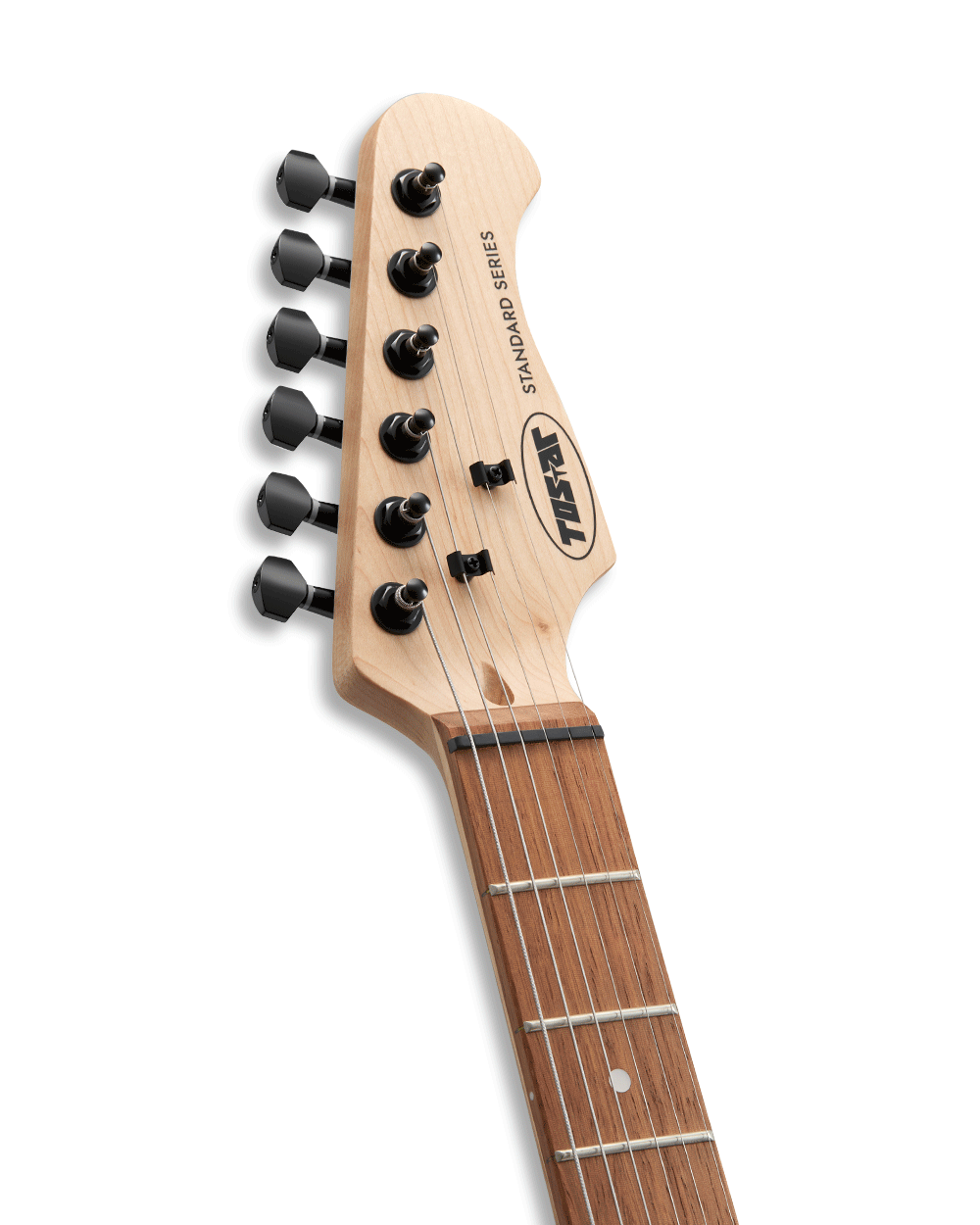
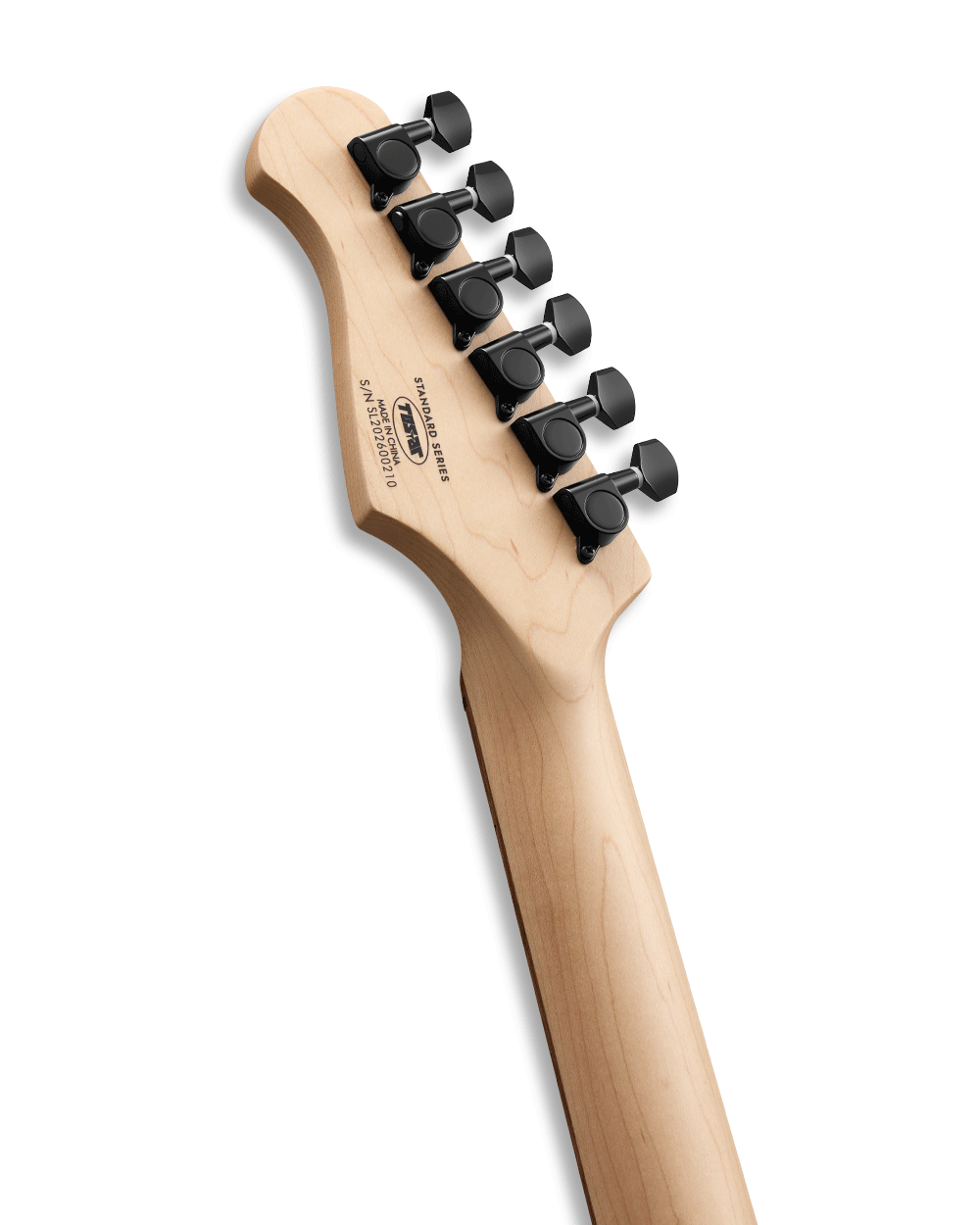
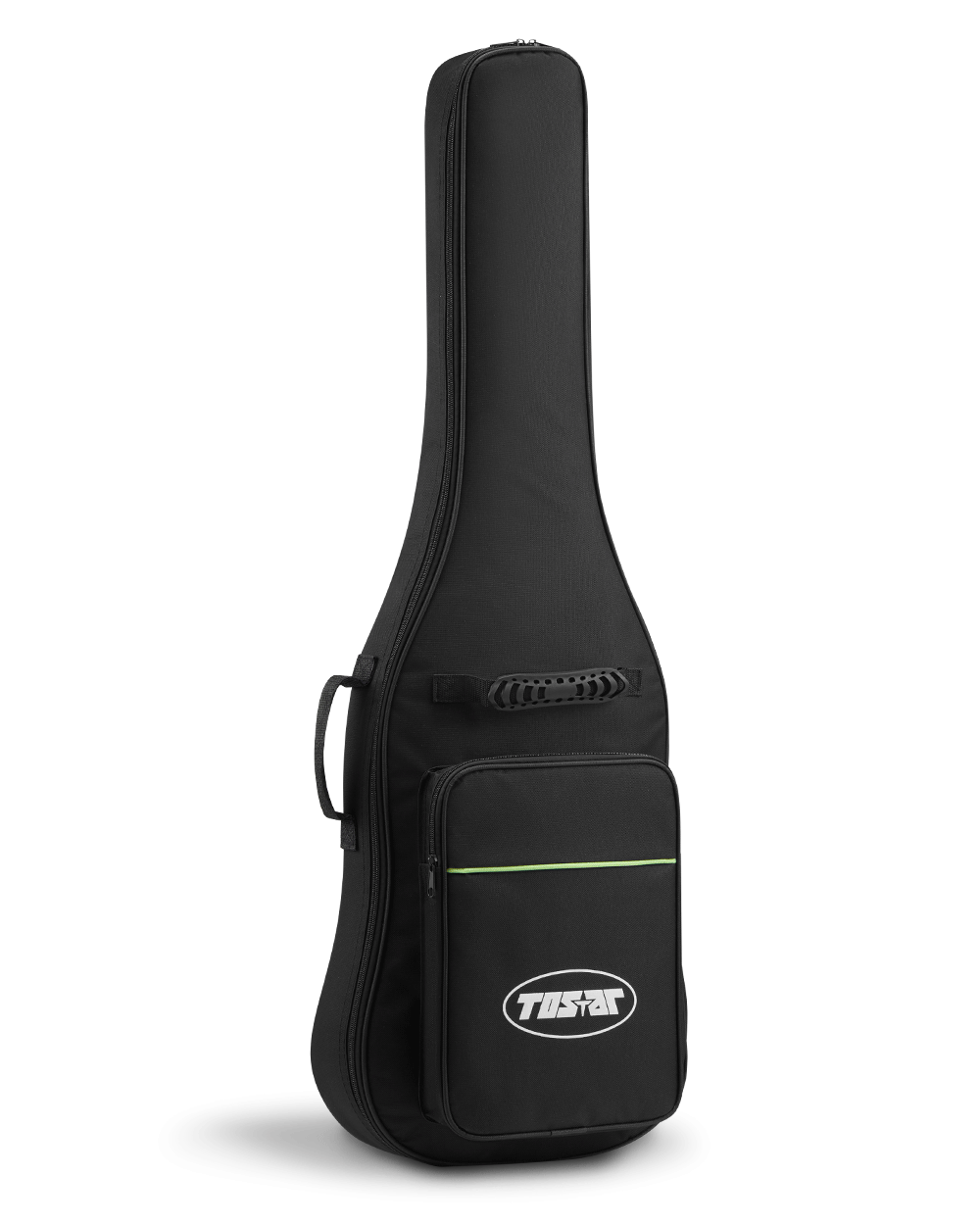
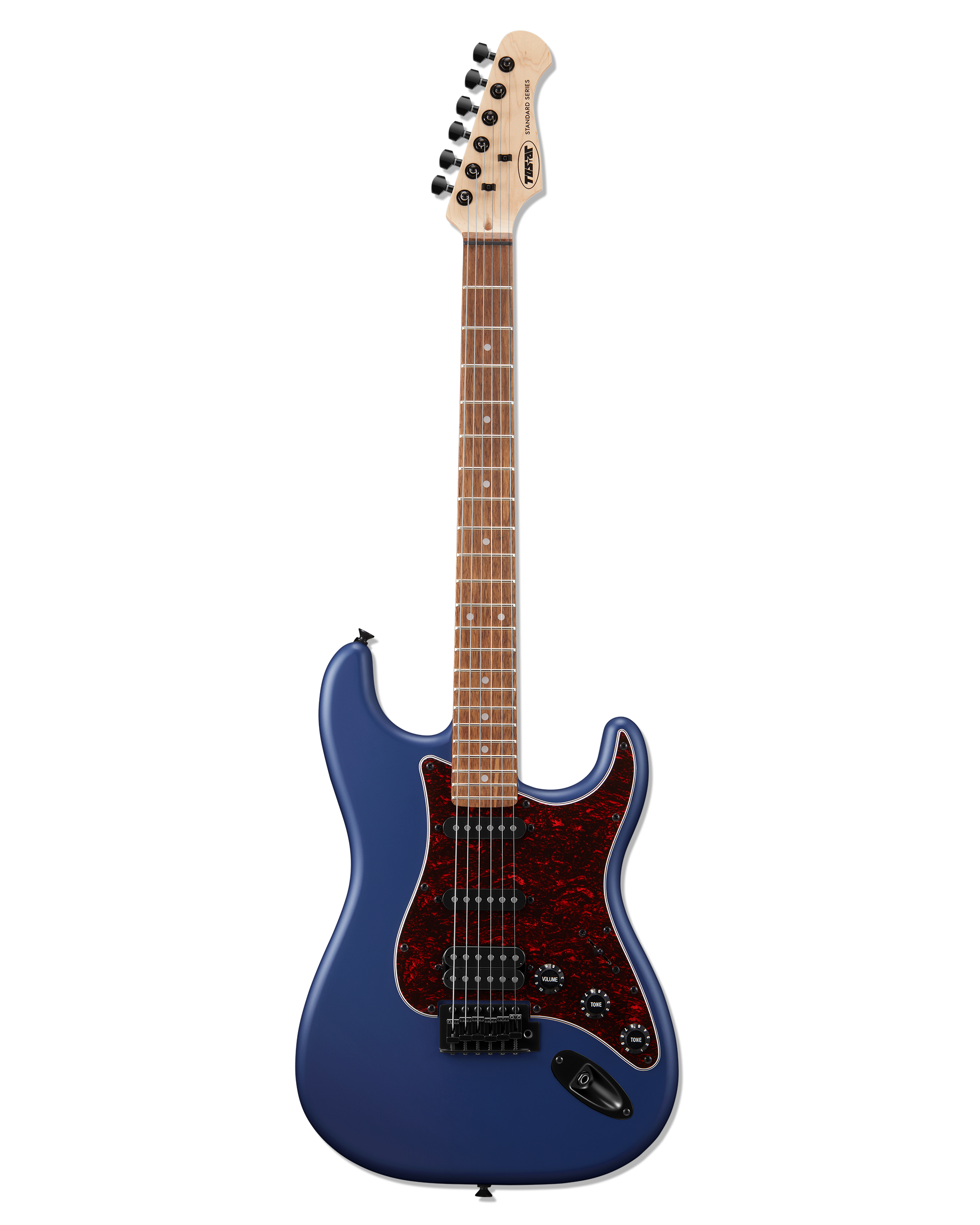
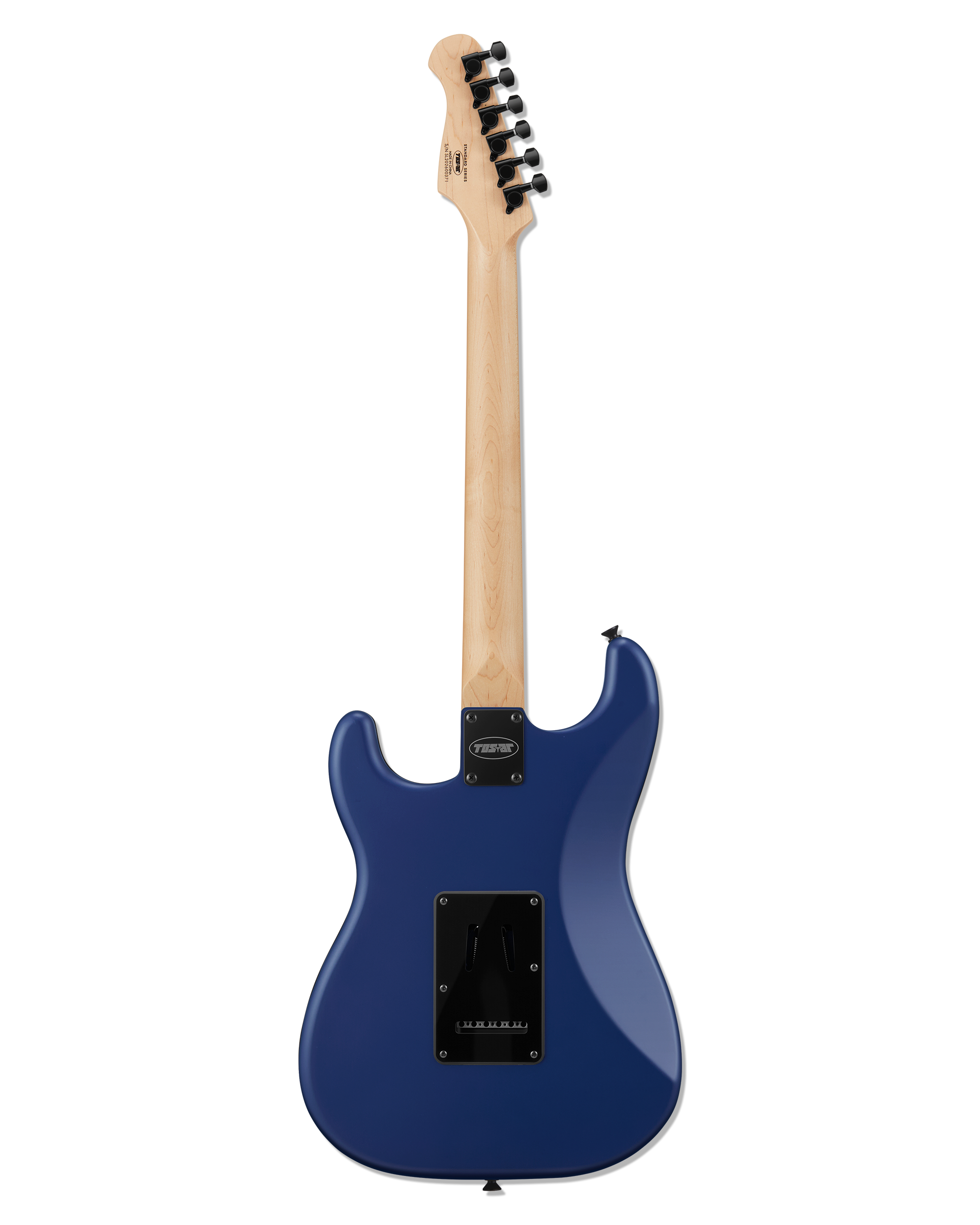
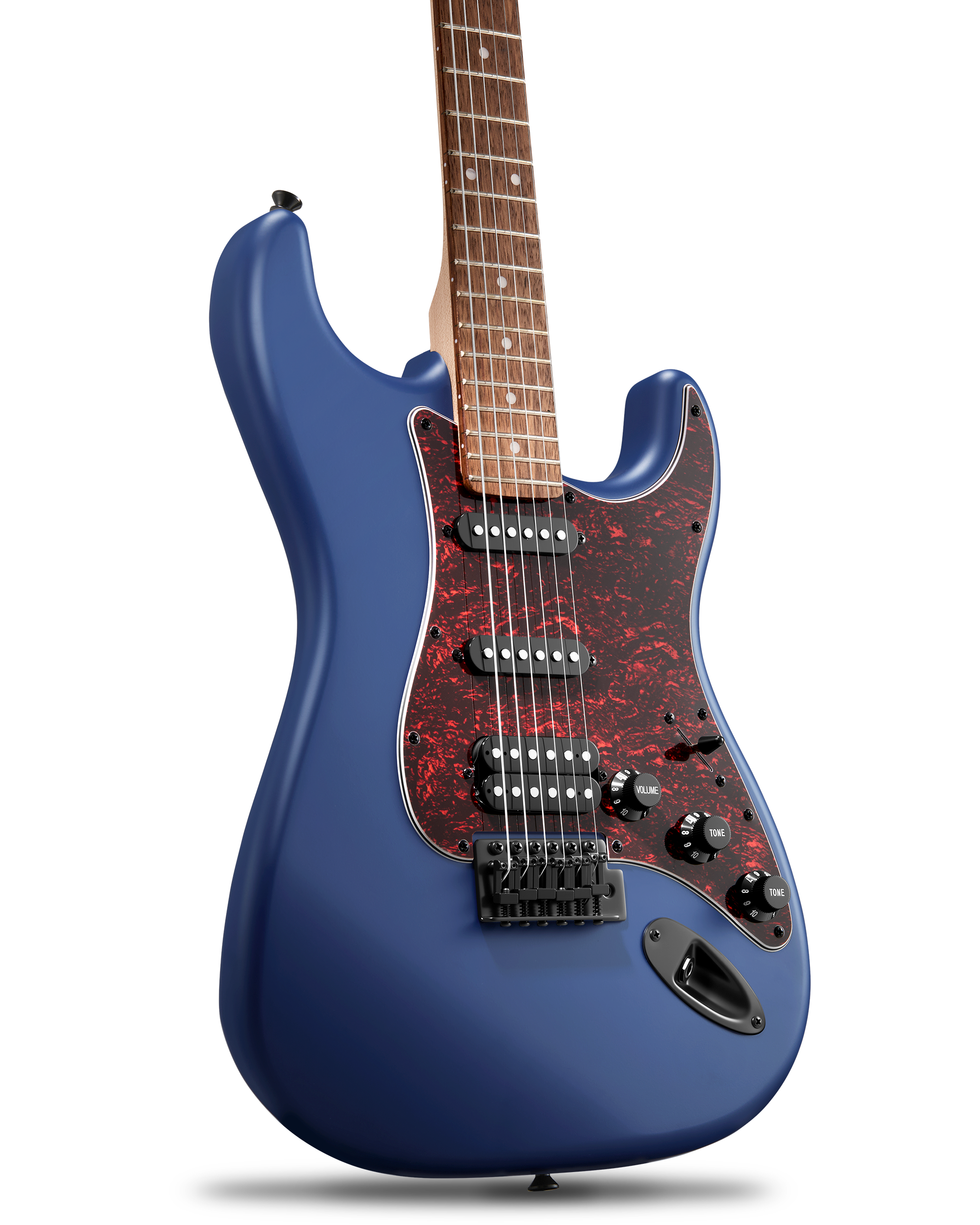
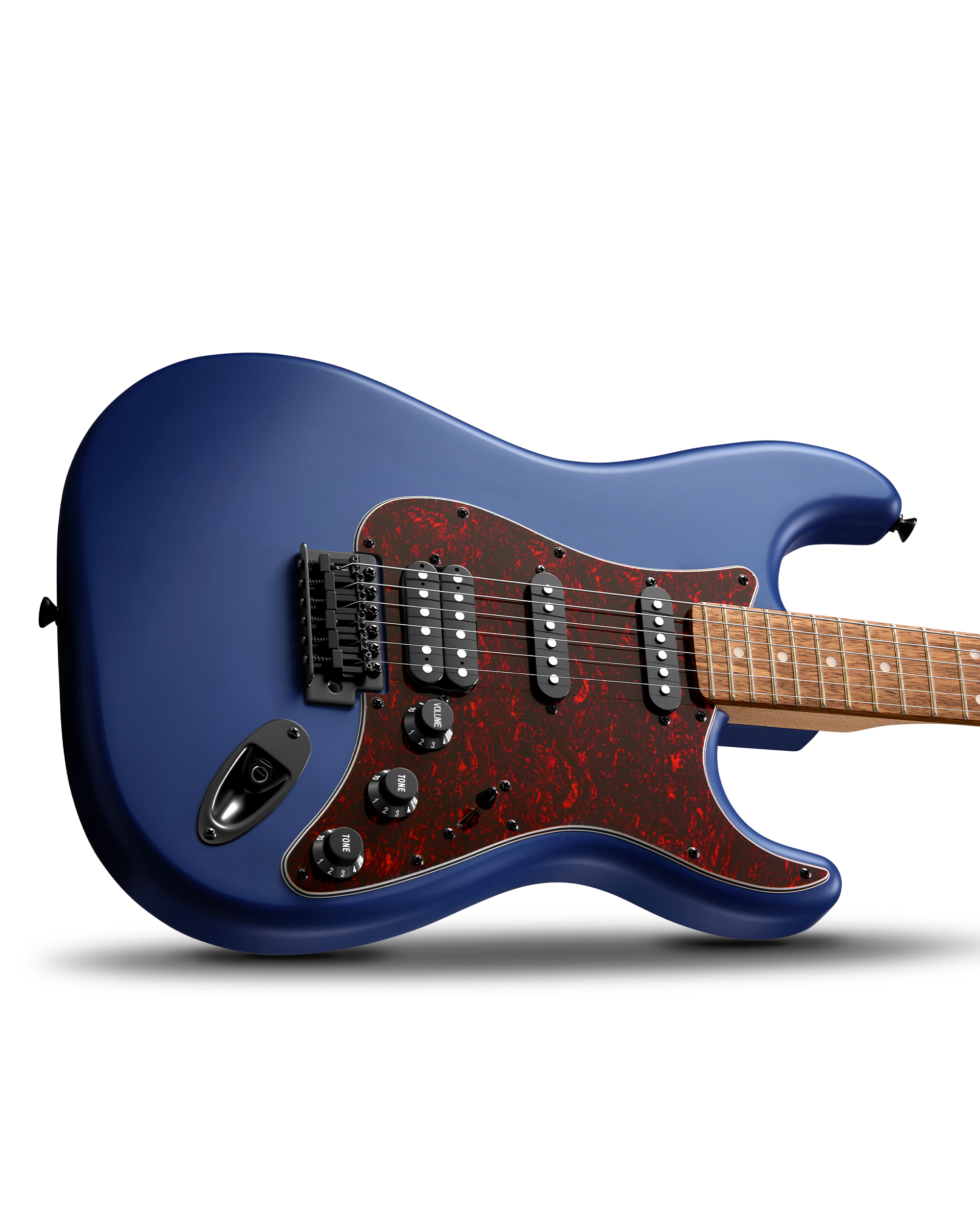
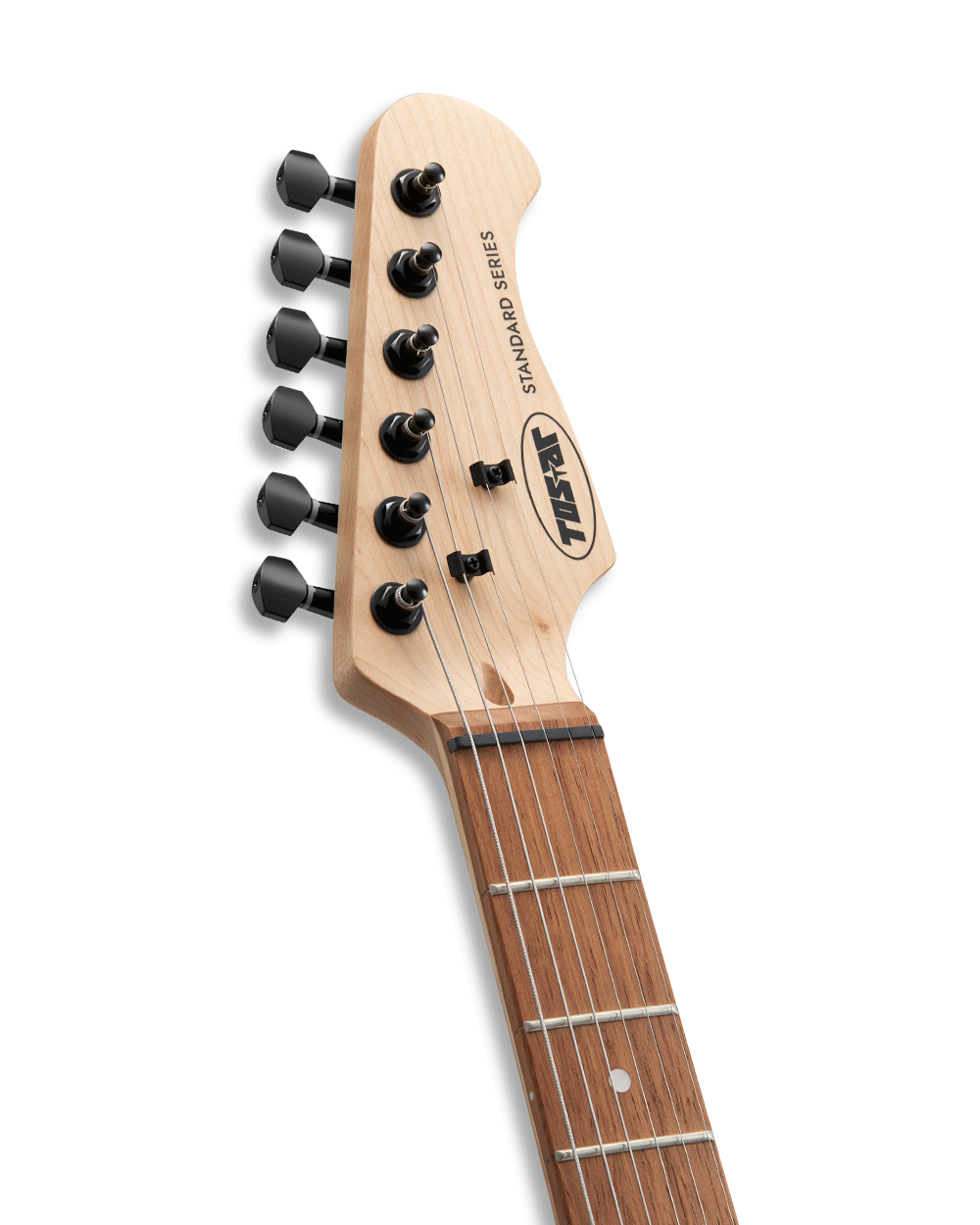
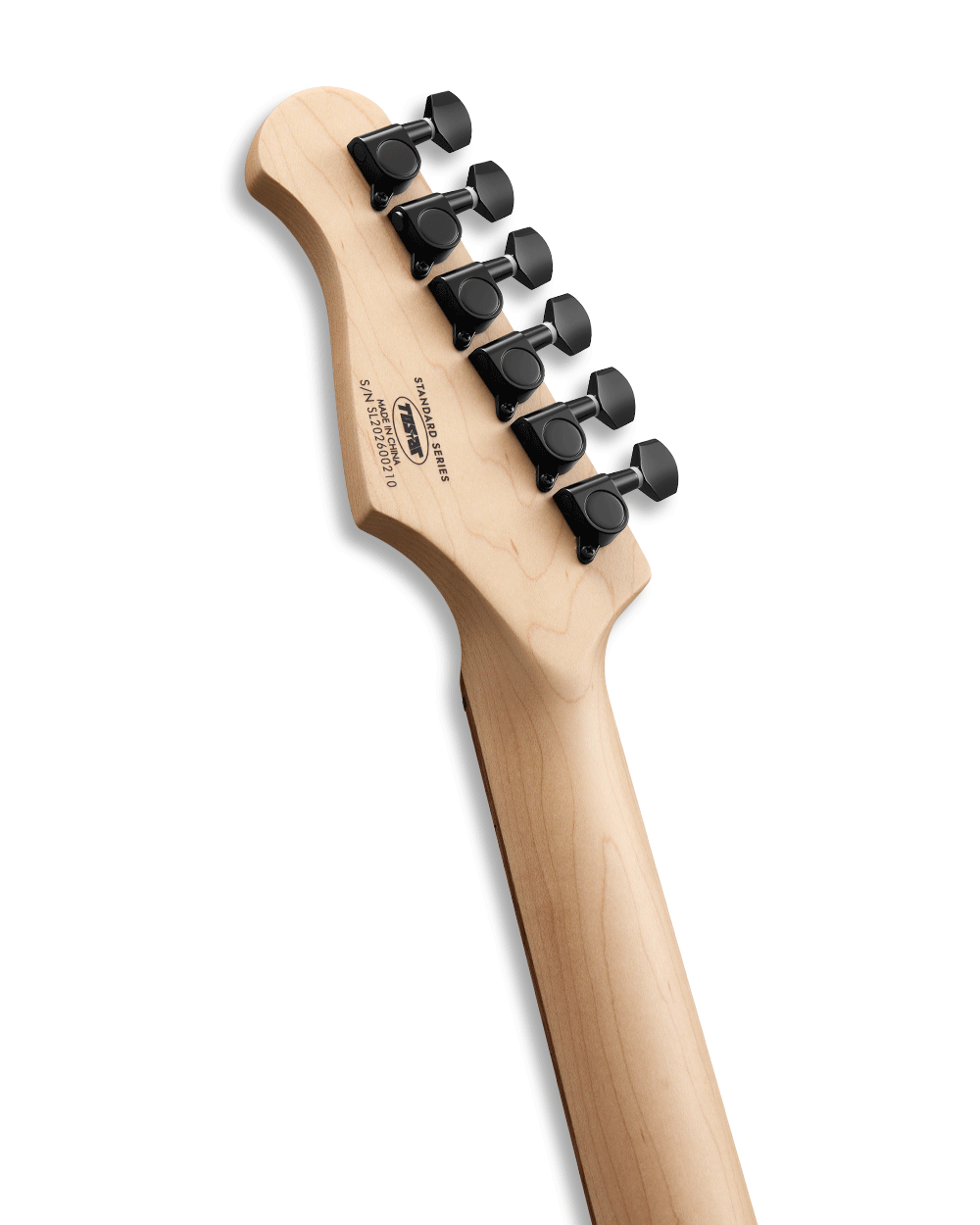
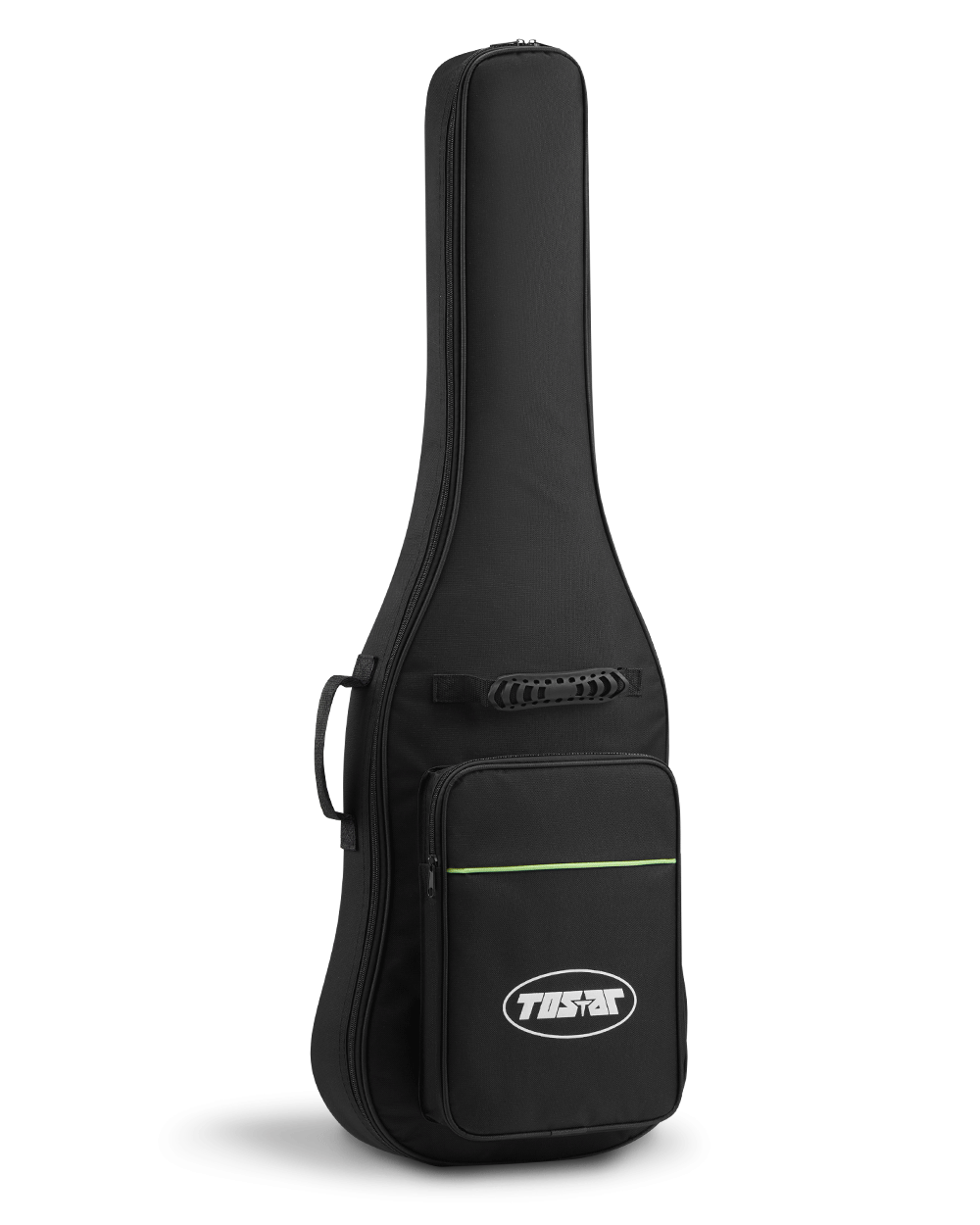
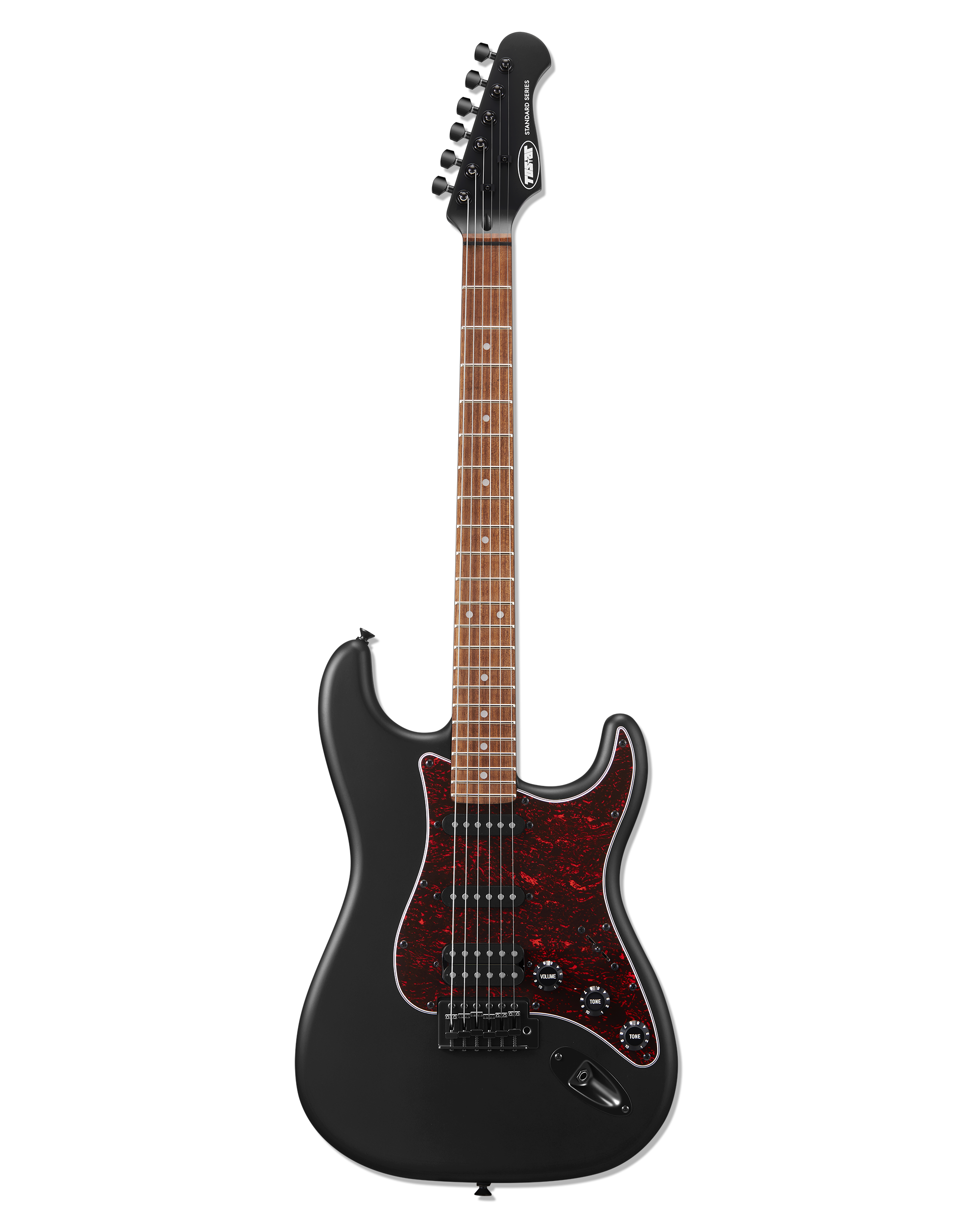
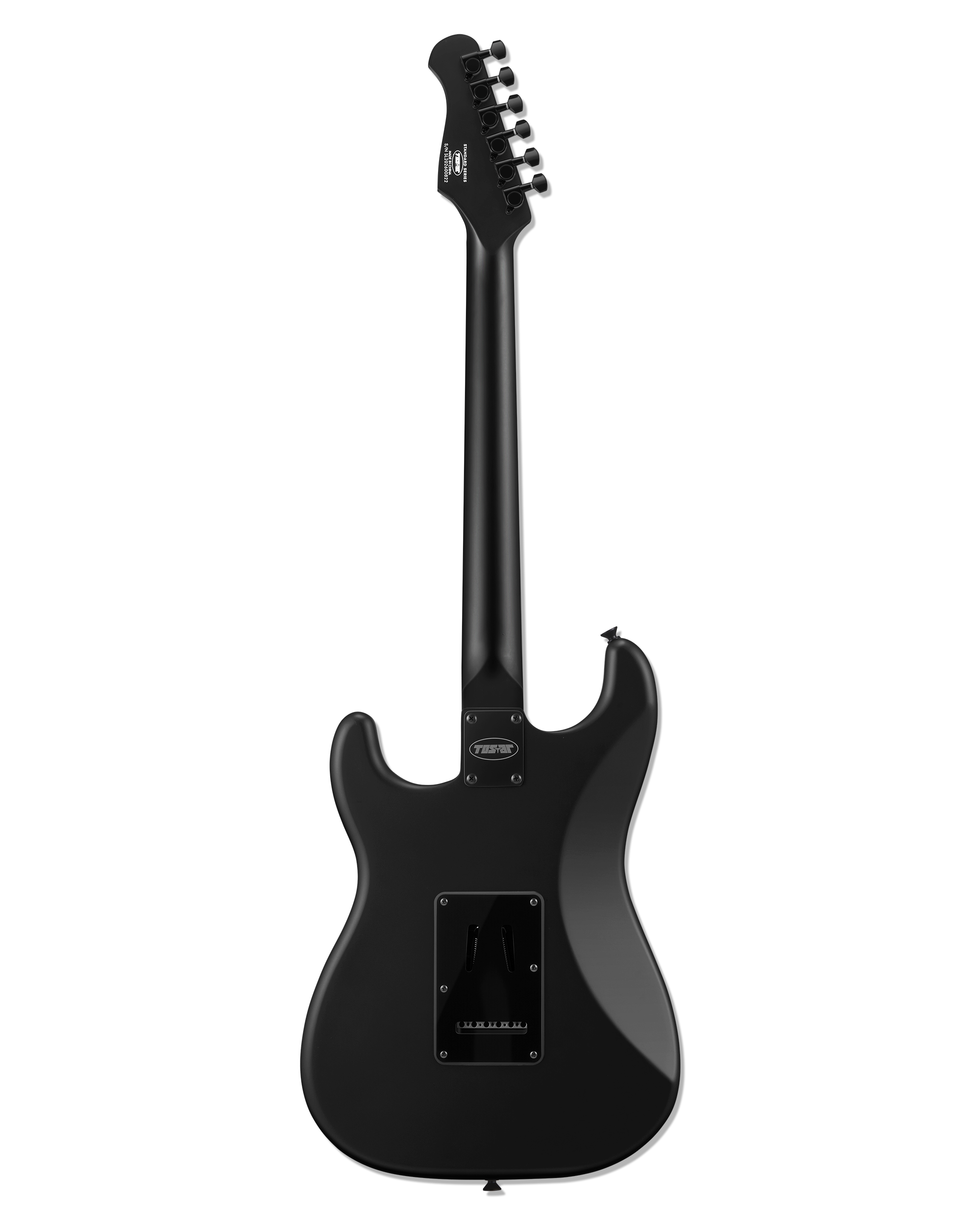
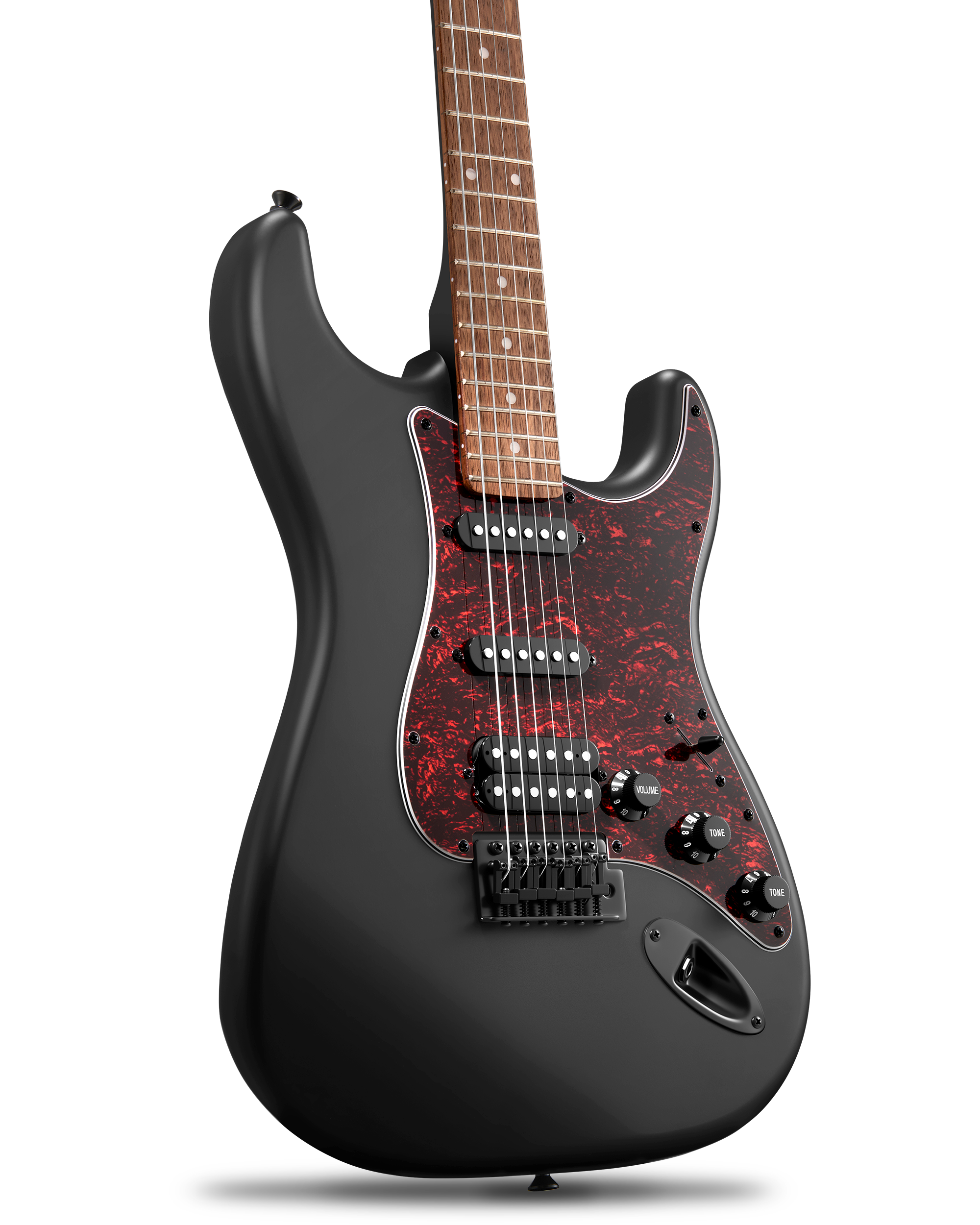
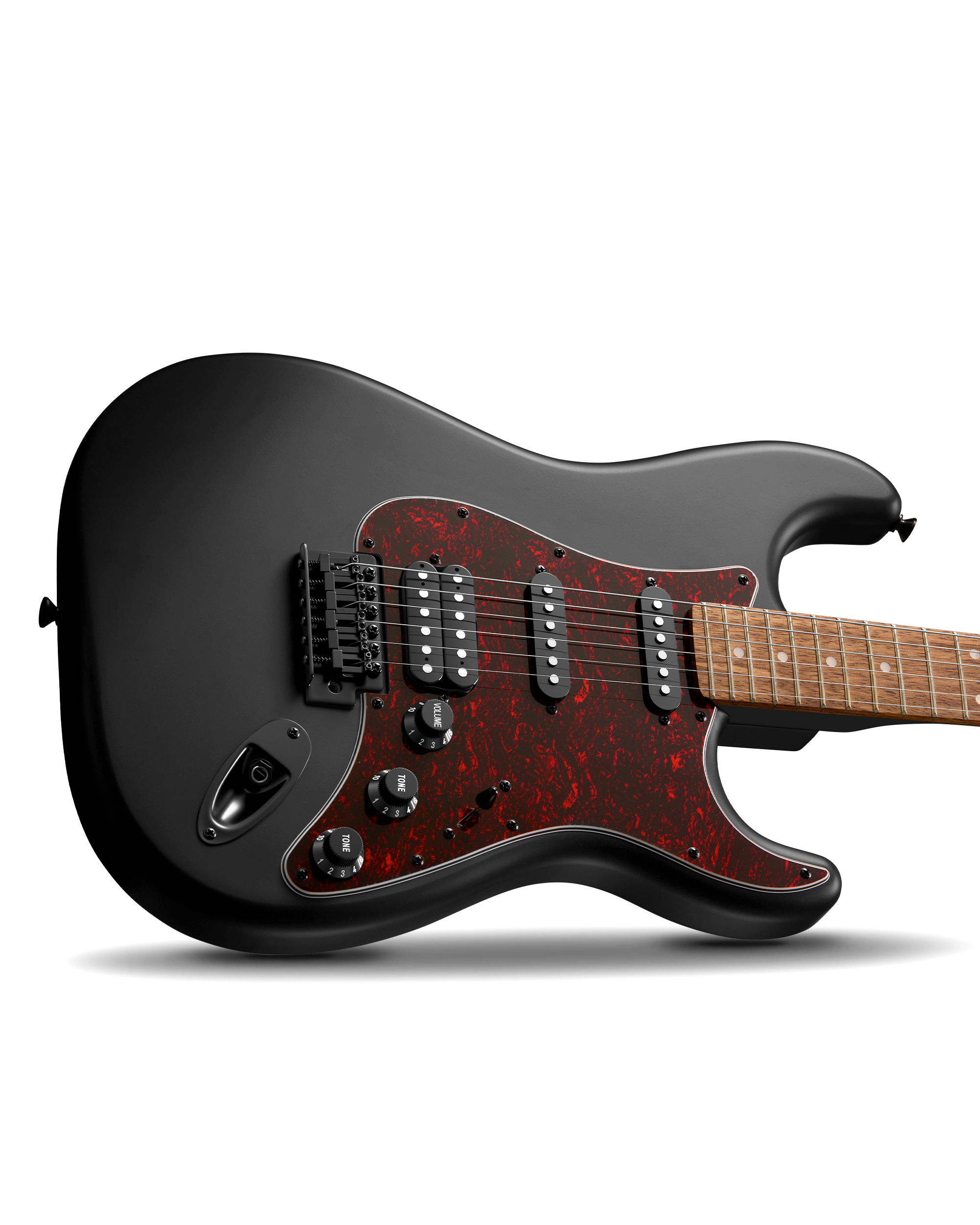
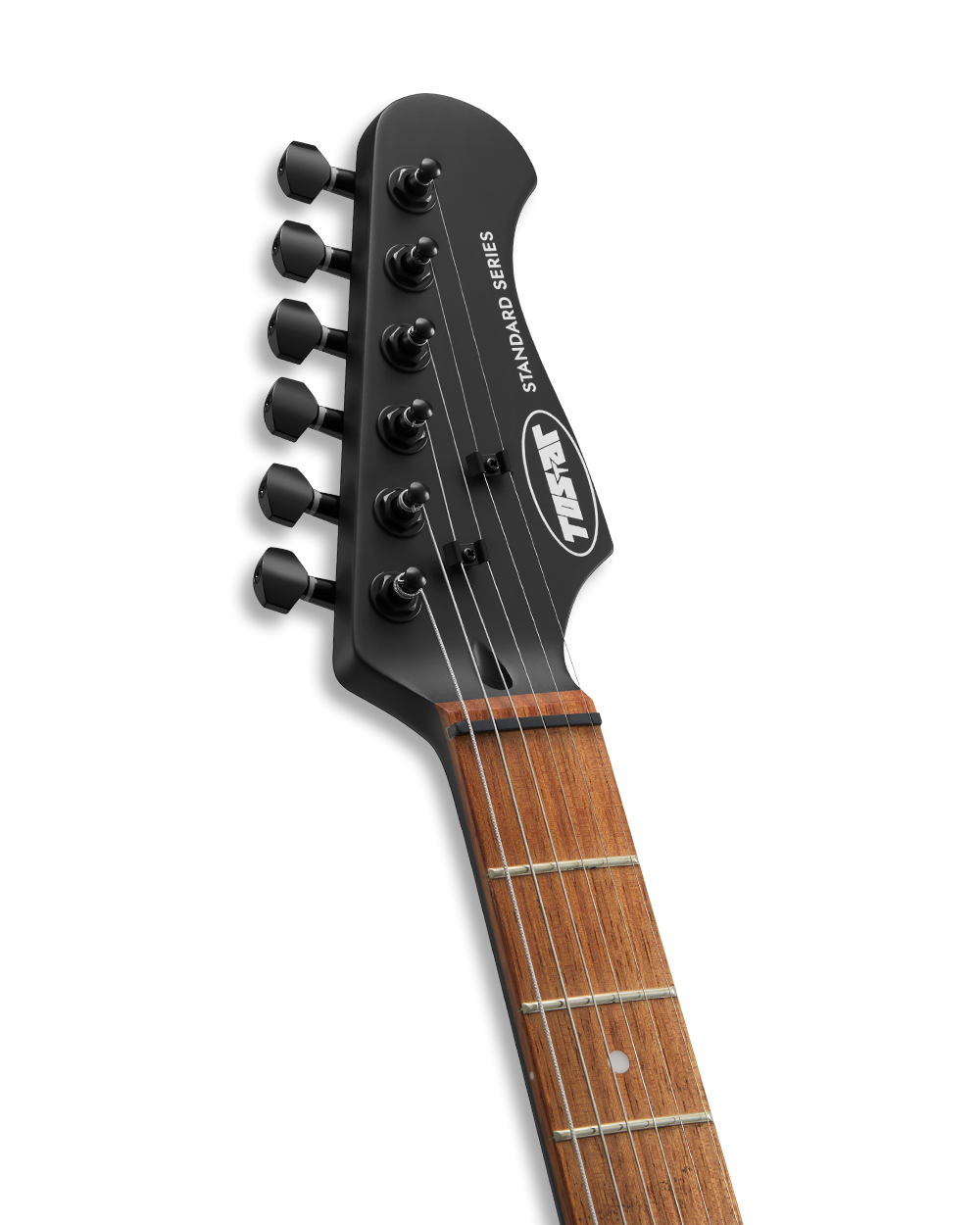
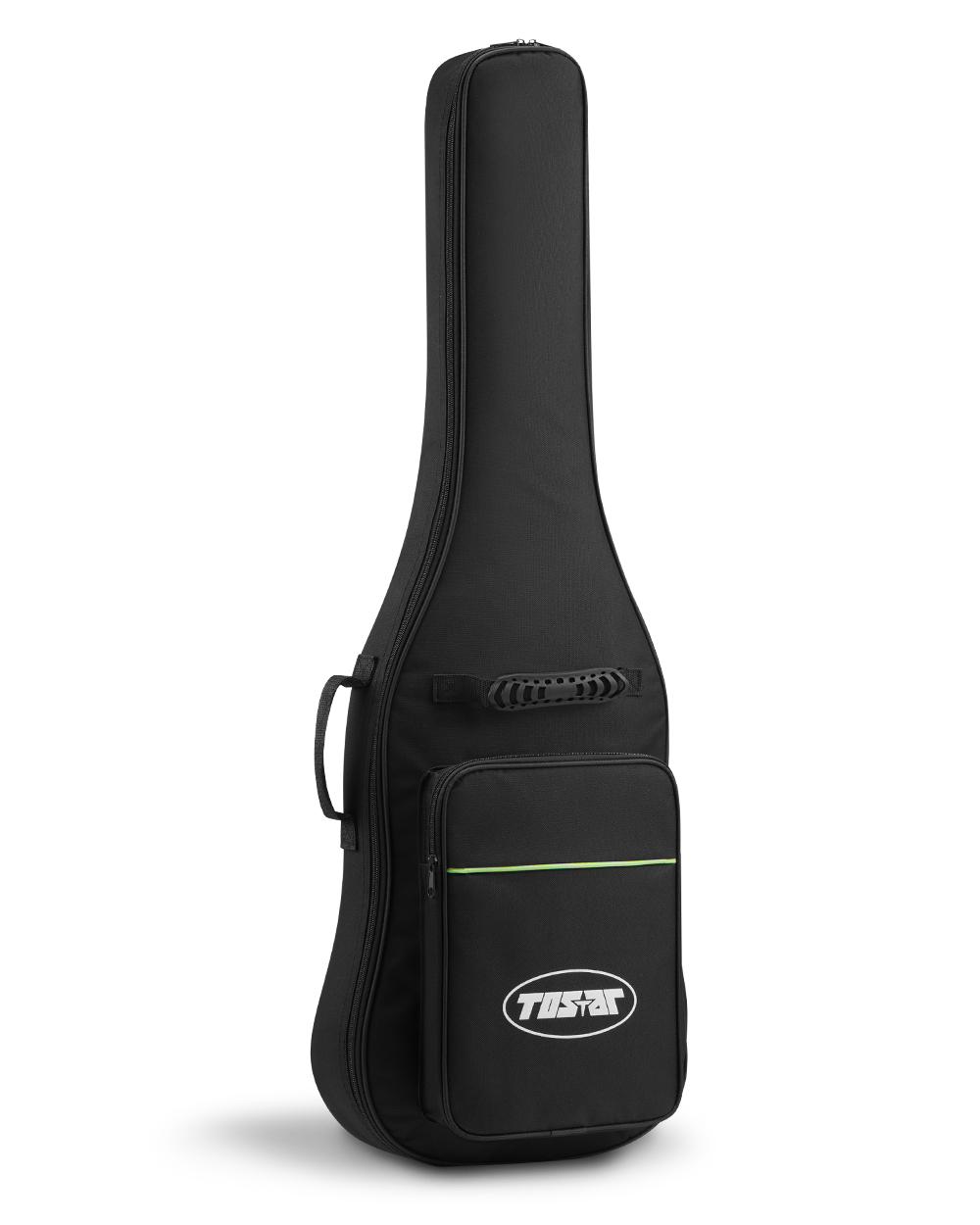
That's why we recommend the Tostar TST-110 ST Electric Guitar Set for most beginners. Priced at just $109.99 (regularly $219.99), it's an incredible value: versatile H/S/S pickups for tons of tones, smooth maple neck with 22 frets, comfortable 12" radius board, and a full kit (gig bag, cable, strap, picks, tuner, plus a practice amp). The eco-composite body delivers resonance and sustainability without compromise – lightweight, durable, and stage-ready.
Perfect for home practice or first jams, with Tostar's lifetime support and 30-day guarantee for peace of mind. Head to Tostar Music and start your journey today – free shipping included. Your first riff awaits!




Strumming Sustainably: The Rise of Eco-Composite Materials in Electric Guitars – A Guitarist's Guide
Tostar TJM-160 JM Electric Guitar Set: Honoring the Iconic Jazzmaster Legacy