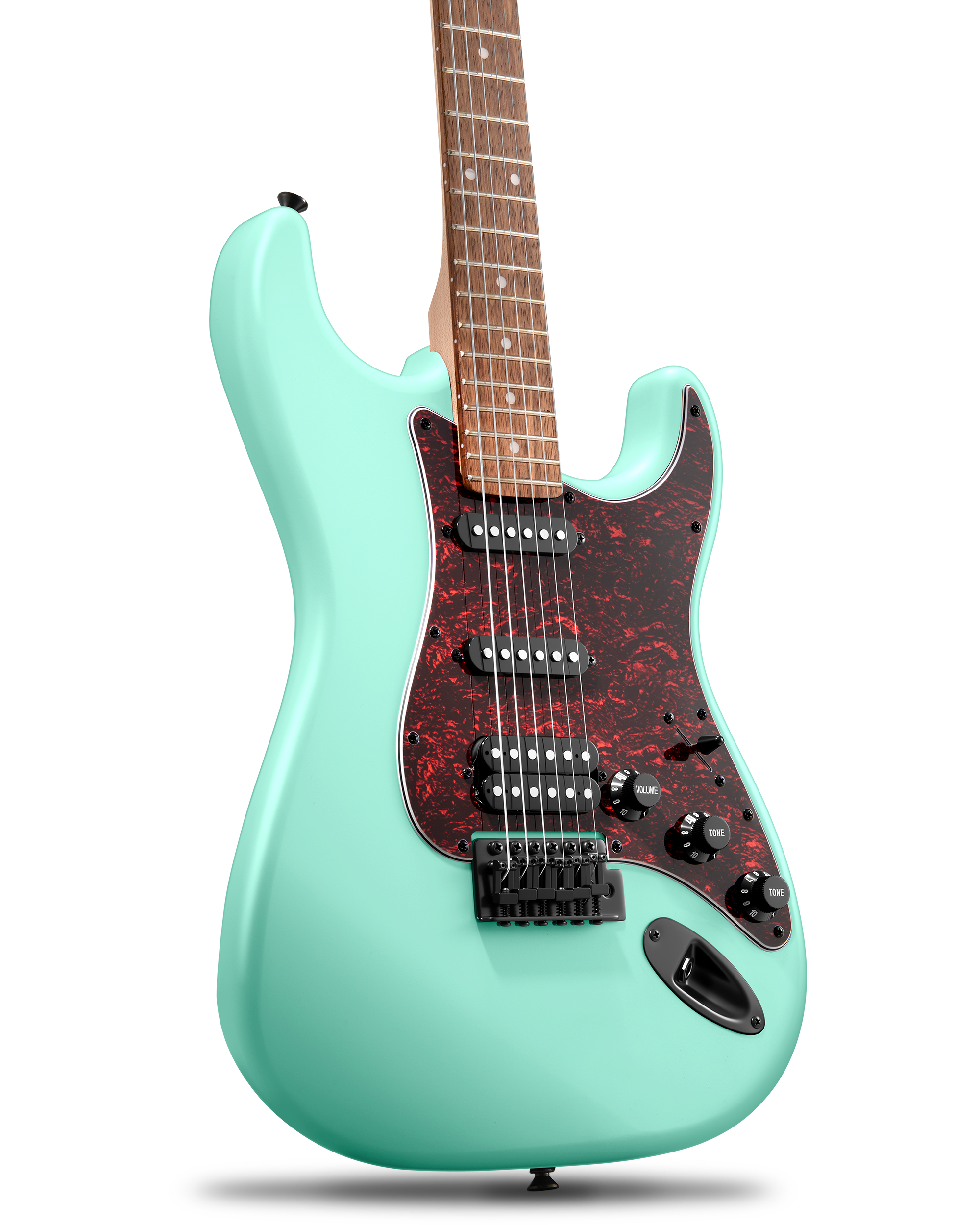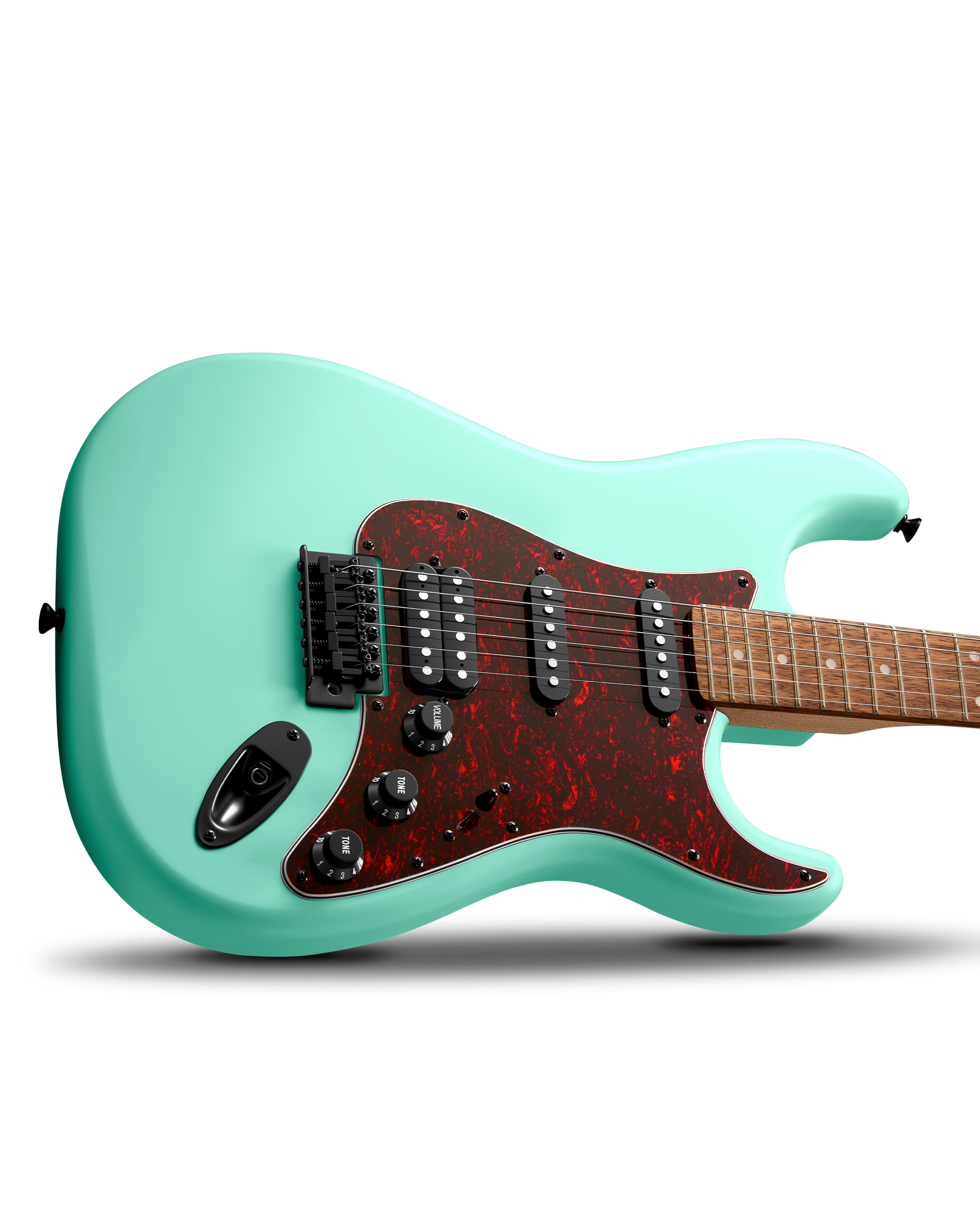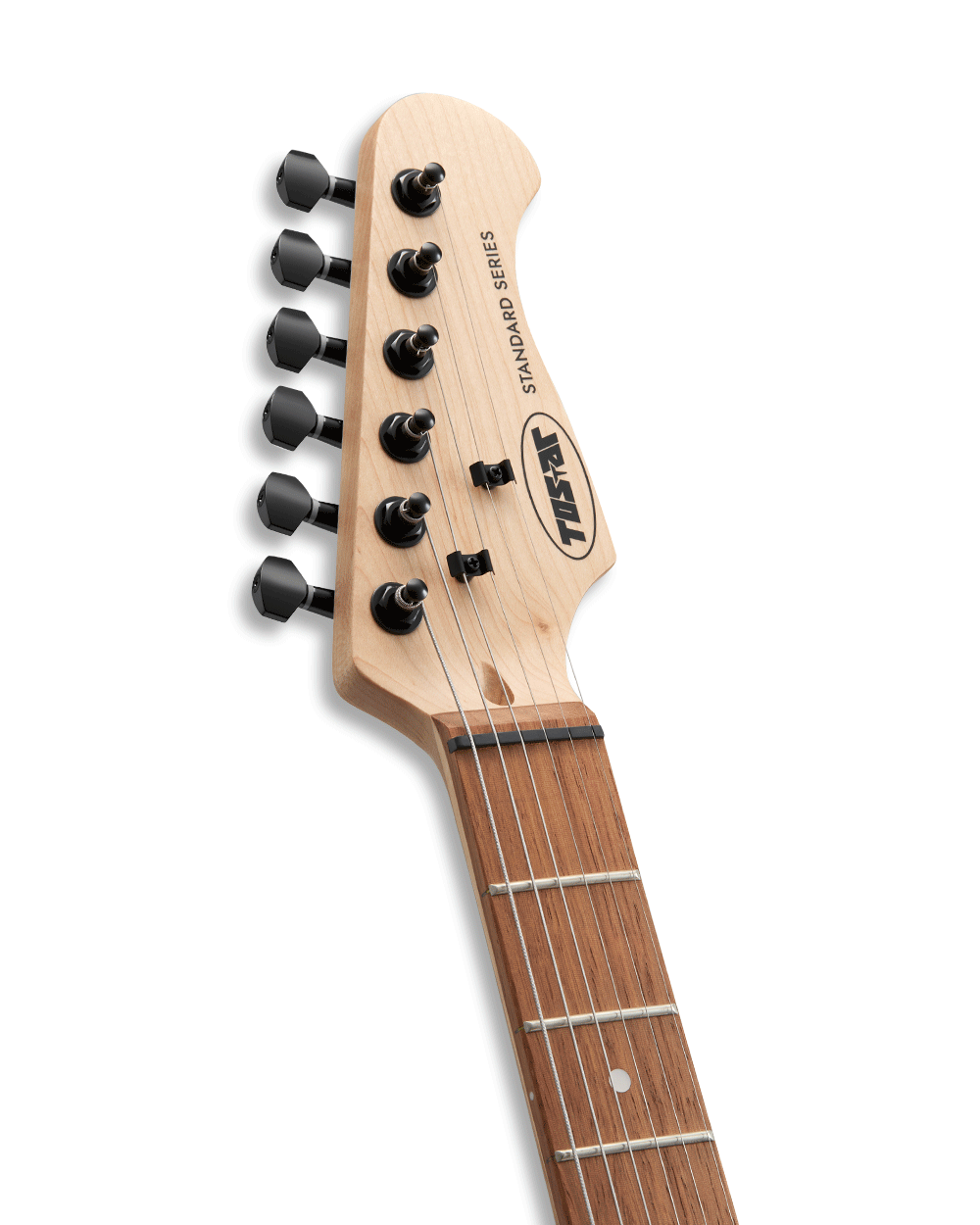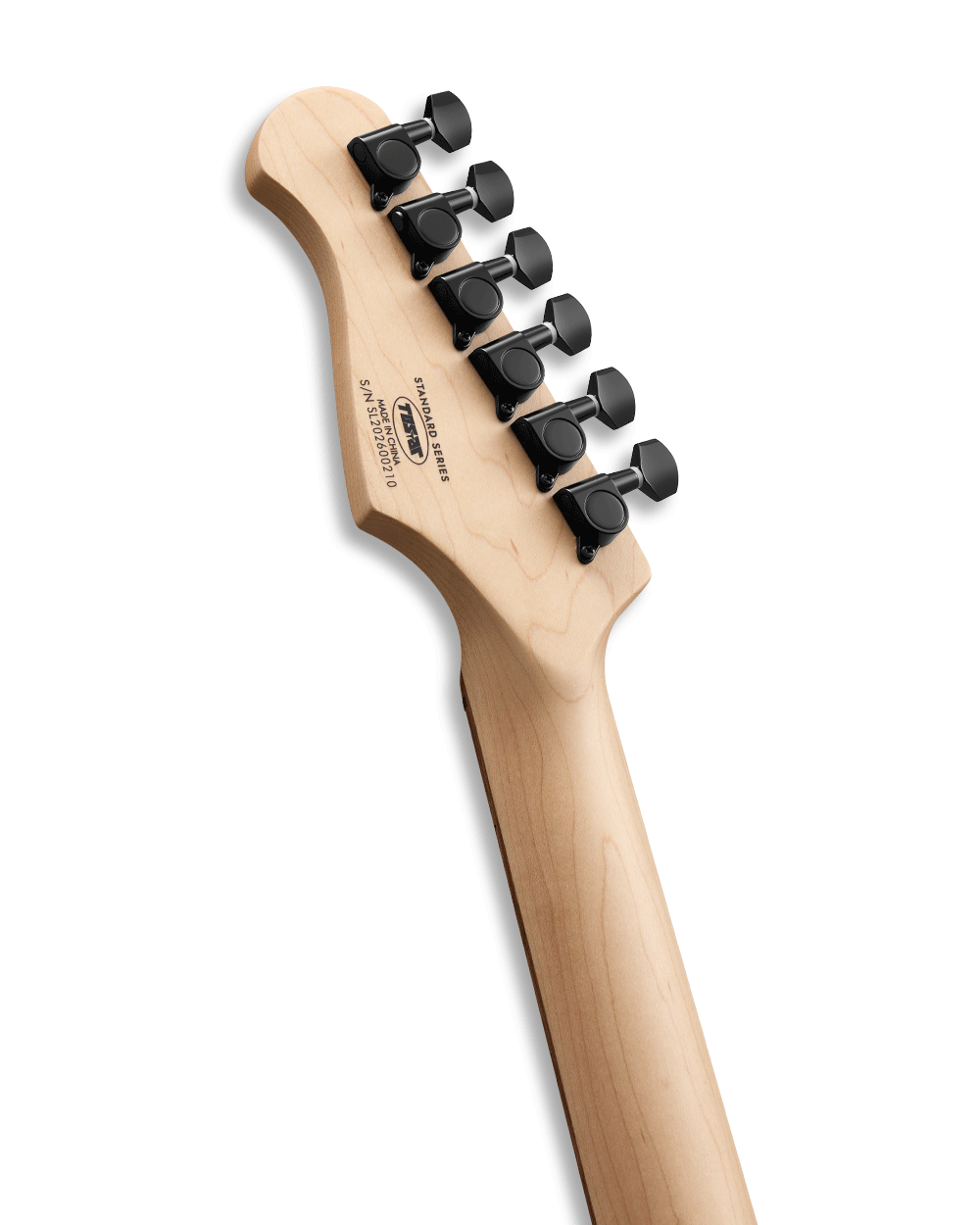
 Few instruments have changed modern music as dramatically as the electric guitar. From Blues and Rock to Metal and Pop, its sound has shaped generations of music lovers and players alike. But have you ever wondered where it all began? It’s a fascinating story that goes far beyond one person. The electric guitar didn’t appear overnight — it was the result of innovation, experimentation, and the desire to be heard louder in an evolving musical world. In this guide, we’ll explore the full story from a consumer’s perspective: what the electric guitar is, why it was created, who the key inventors were, how it transformed music, and most importantly, how its history can help you choose the right guitar today.
At Tostar, we love this history because it directly influences the instruments we build. Whether you’re just starting out or looking to upgrade, understanding where the electric guitar came from will help you make a smarter, more confident purchase. Let’s dive in.
1. What Is an Electric Guitar?
From a consumer’s point of view, an electric guitar is simply a guitar that uses pickups to convert the vibration of its strings into electrical signals, which are then sent to an amplifier to produce sound. Unlike acoustic guitars, which rely on a hollow body to naturally amplify the sound, electric guitars can be solid-body or semi-hollow, allowing for greater sustain, louder volume, and a huge variety of tones through effects and amp settings.
As a beginner, this means you get more control. You can play quietly with headphones or turn it up to fill a room. The electric guitar opened the door to rock, blues, metal, funk, pop, and countless other genres because it gave musicians the power to shape their sound in ways that were impossible before.
2. Why Was the Electric Guitar Invented?
In the 1920s and 1930s, musicians — especially in jazz and big bands — faced a big problem: their acoustic guitars couldn’t be heard over loud horns, drums, and dancing crowds. Guitarists were often buried in the mix. The solution? Find a way to make the guitar louder electronically.
The invention of the electric guitar was driven by the practical need for volume and projection in live performance. It wasn’t just about being louder — it was about being heard clearly and being able to experiment with new sounds. This consumer-driven demand pushed inventors forward.
3. Who Invented the Electric Guitar? The Key Pioneers
No single person invented the electric guitar — it was a collaborative evolution. Here are the most important names every beginner should know:
George Beauchamp & Adolph Rickenbacker (1931)
The first commercially successful electric guitar was the “Frying Pan” (Rickenbacker Electro Spanish), developed by George Beauchamp. This is widely regarded as the true birth of the electric guitar as a practical instrument. Rickenbacker’s official history and guitar historians document this milestone clearly.
Les Paul (1940s)
The legendary guitarist and inventor experimented with solid-body designs. His famous “Log” guitar proved that a solid body could produce great sustain and reduced feedback. His work laid crucial groundwork for modern electric guitars.
Leo Fender and Others (1950s)
In the early 1950s, Leo Fender and other innovators brought solid-body electric guitars to the masses with models like the Telecaster and Stratocaster, making them more affordable and reliable for everyday musicians.
These pioneers turned a solution for volume into one of the most expressive instruments in modern music. Guitar World’s detailed timeline provides an excellent overview of this collaborative journey.
4. What Did the First Electric Guitar Look Like?
The 1931 Rickenbacker “Frying Pan” looked exactly like its nickname — a round aluminum body with a long neck. It was a lap steel guitar, not held like a regular Spanish guitar. Later models like the 1935 Rickenbacker Electro Spanish were more guitar-shaped but still quite basic by today’s standards. These early instruments were revolutionary but had issues with feedback and durability, which later inventors worked to solve.
5. How the Electric Guitar Changed Rock, Blues, Metal & More
The electric guitar completely transformed popular music. In the 1950s, it powered the birth of rock ‘n’ roll. Chuck Berry’s iconic riffs, Buddy Holly’s clean tones, and later Jimi Hendrix’s revolutionary use of effects showed the world its expressive power.
Blues legends like B.B. King and Muddy Waters used it to create emotional, singing leads. In the 1960s–70s, it became the voice of rock. The 1980s brought the shred era with fast technical playing, while metal bands pushed high-gain distortion to new extremes. Today, it continues to evolve in indie, electronic, and experimental genres. Without the electric guitar, modern music as we know it simply wouldn’t exist.
6. The Birth of Classic Body Styles: Strat, Tele, Les Paul
Three body styles dominate the electric guitar world:
- Telecaster (Tele): The first mass-produced solid-body (1950). Simple, bright, and twangy — perfect for country, blues, and rock.
- Stratocaster (Strat): Introduced in 1954 with a contoured body, vibrato system, and three single-coil pickups. The most popular electric guitar ever made.
- Les Paul: Gibson’s response with a thick mahogany body and humbucking pickups for warm, sustaining tone. The king of rock and metal.
Each style has its own character, and understanding them helps beginners choose the right guitar for their preferred music.
7. The Evolution of Pickups and Tonal Possibilities
Early guitars used single-coil pickups (bright and clear but prone to hum). The invention of humbucking pickups in the 1950s reduced noise and added warmth and power. Modern guitars now offer coil-splitting, active pickups, and even modeling technology, giving players thousands of tones in one instrument. This evolution means today’s beginner guitars are far more versatile than those from even 20 years ago.
8. How to Choose an Electric Guitar as a Beginner Today
As a consumer, focus on these key points:
- Body Style: Strat-style for versatility, Tele for twang, Les Paul-style for sustain.
- Pickups: Single-coils for bright/clean tones, humbuckers for thicker/distorted sounds.
- Playability: Low action, comfortable neck, and good setup are more important than brand name for beginners.
- Budget: A quality starter set (guitar + amp + accessories) is the smartest first purchase.
- Future-Proofing: Choose a guitar that can grow with you as your style develops.
At Tostar, we design our guitars with these exact needs in mind.
9. Our Recommendation: The Upgraded Tostar TST-130 ST Electric Guitar Set
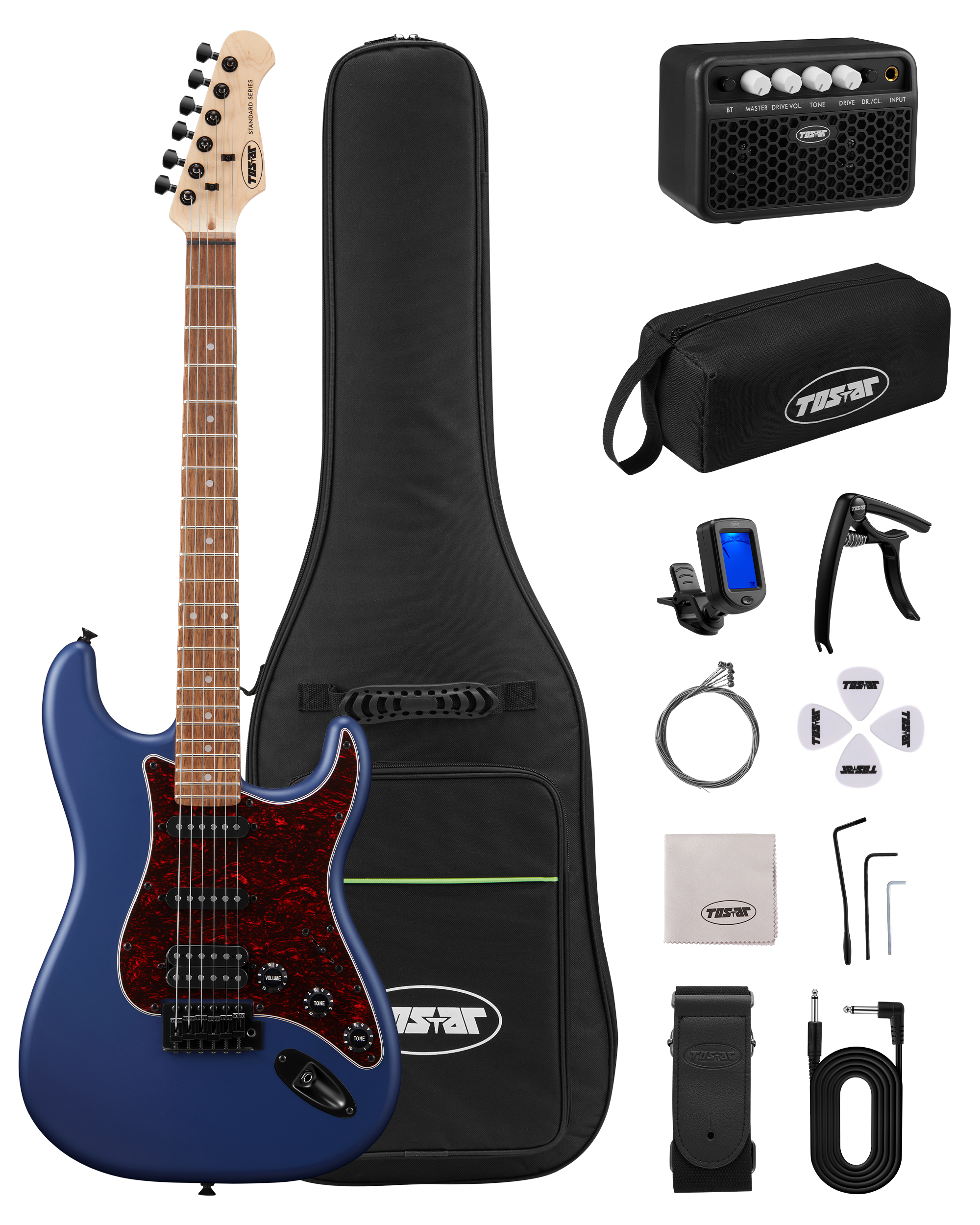
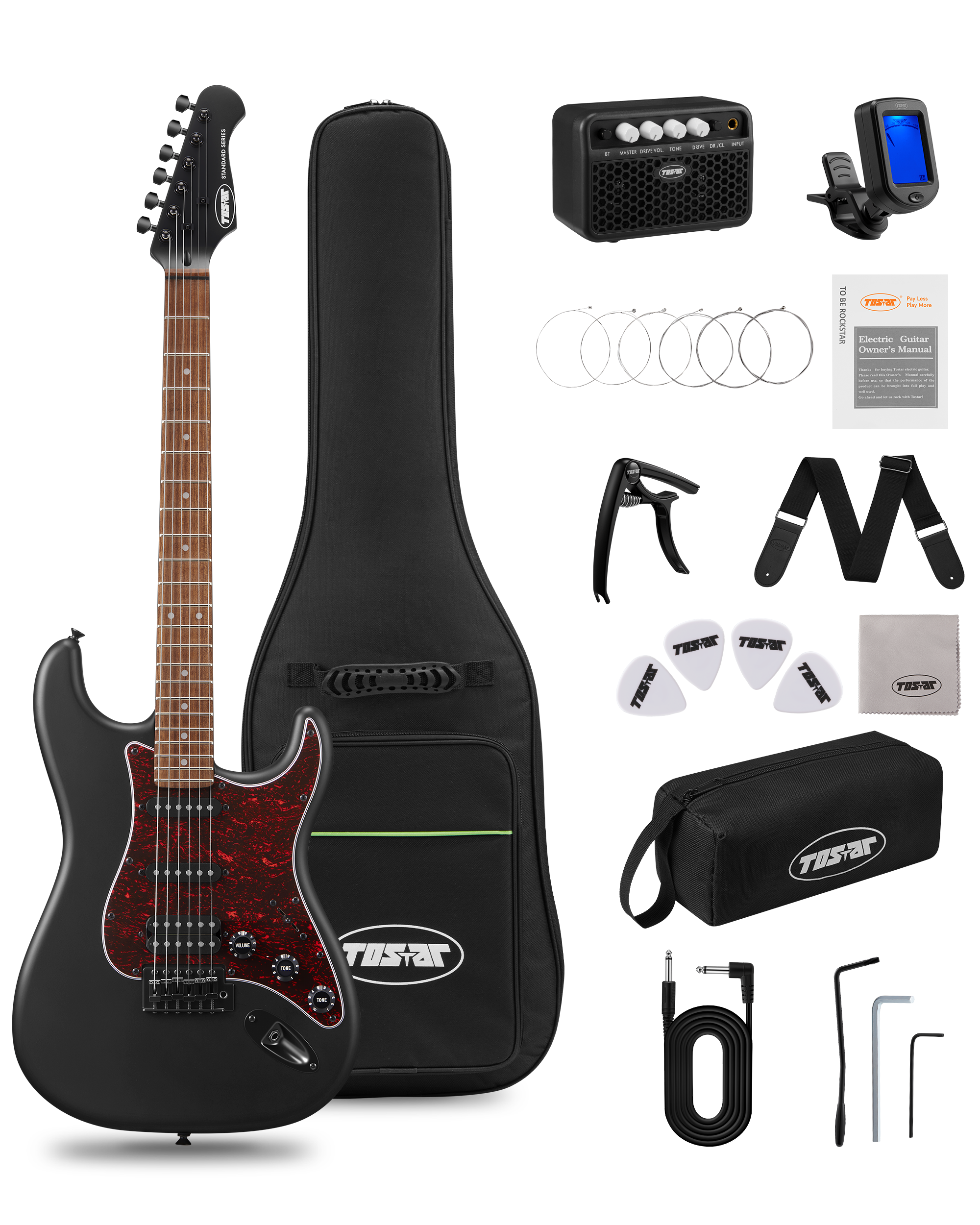
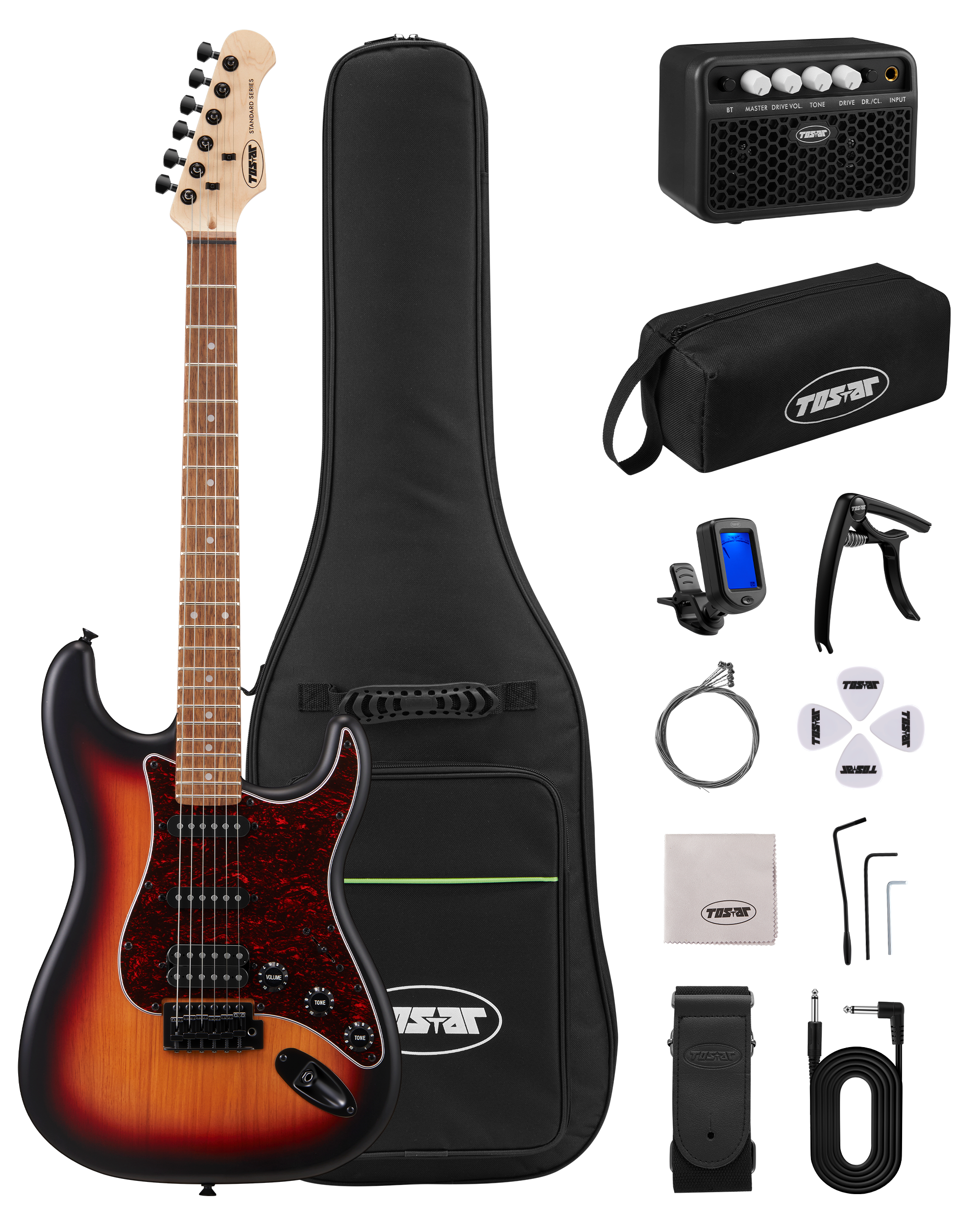
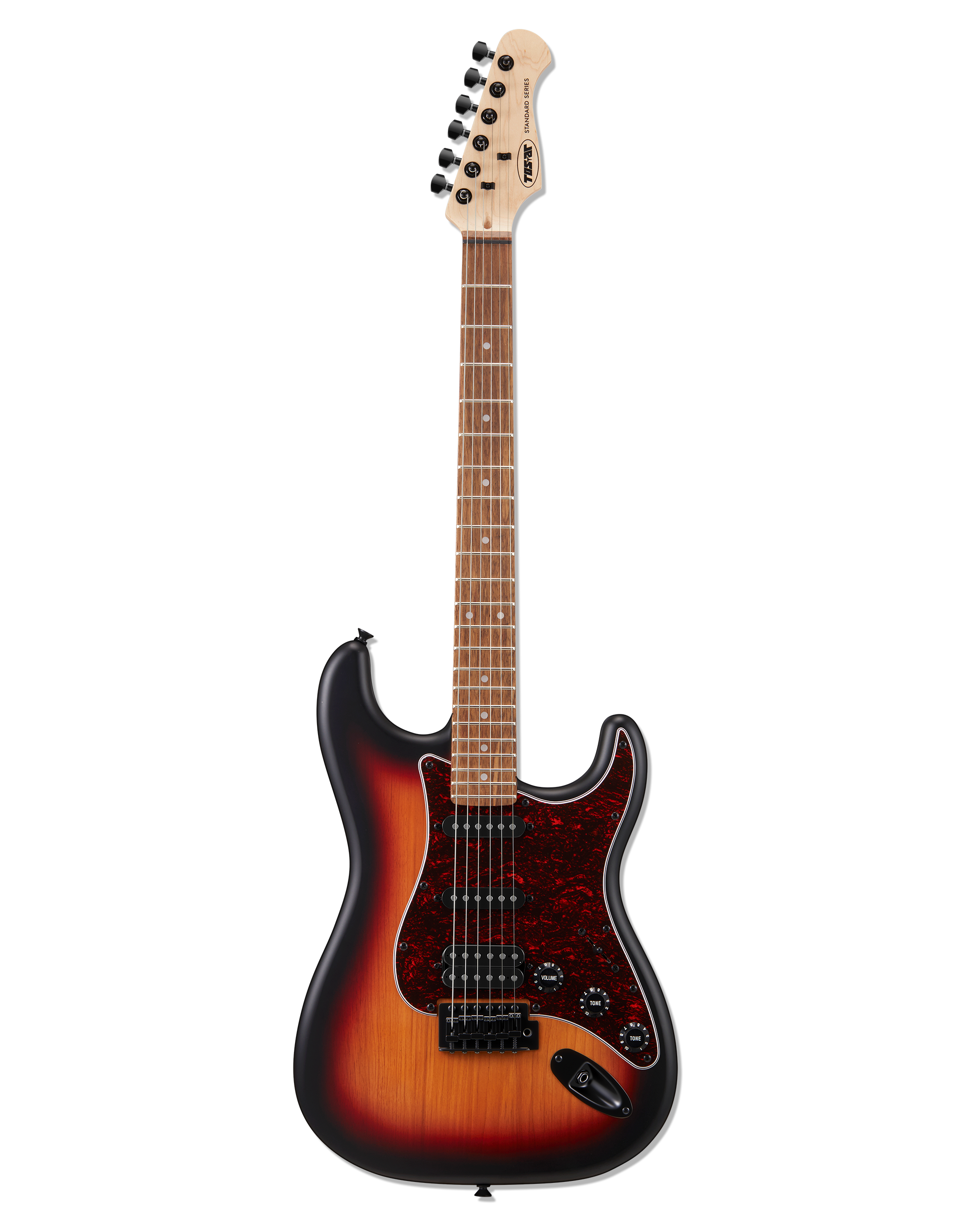
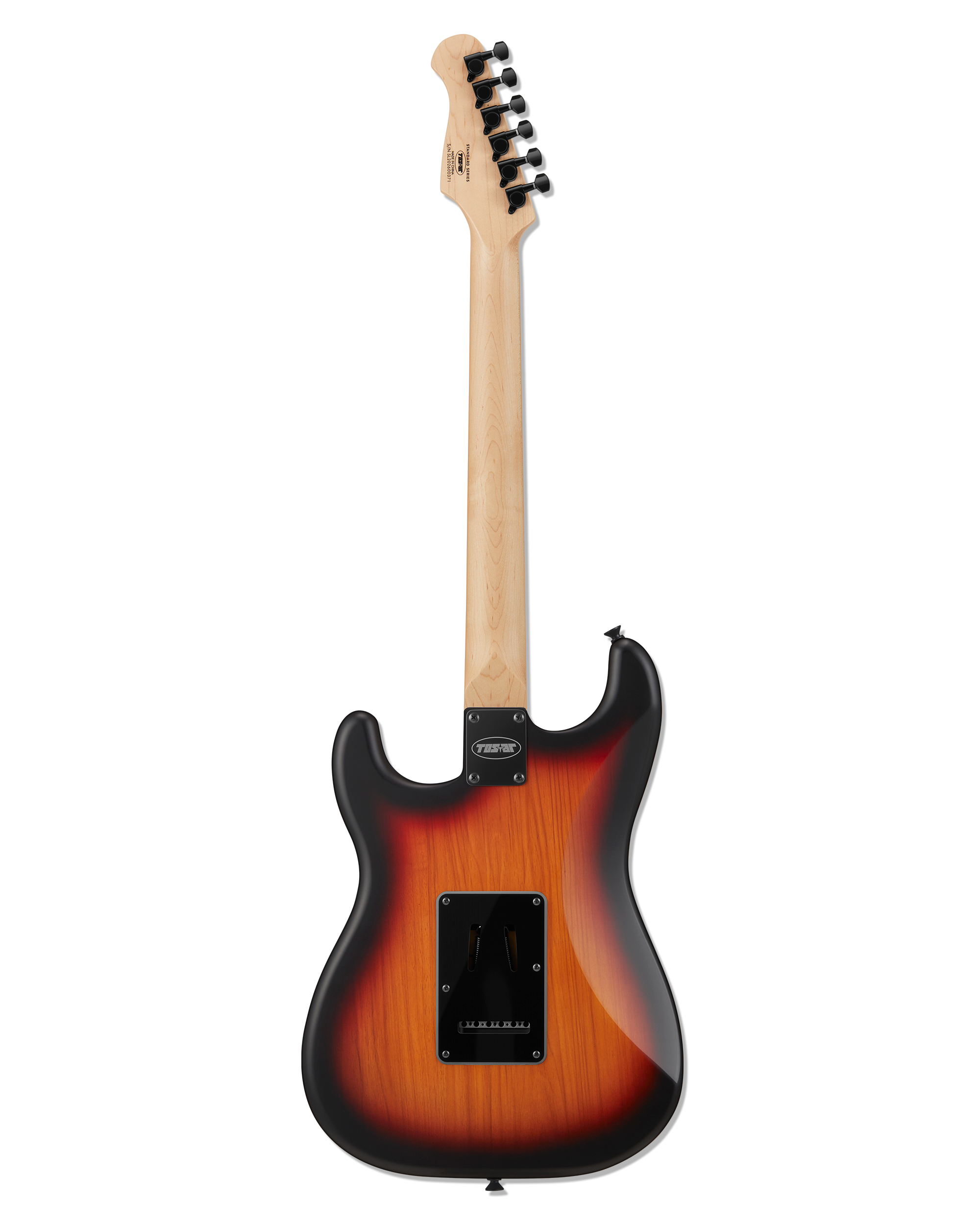
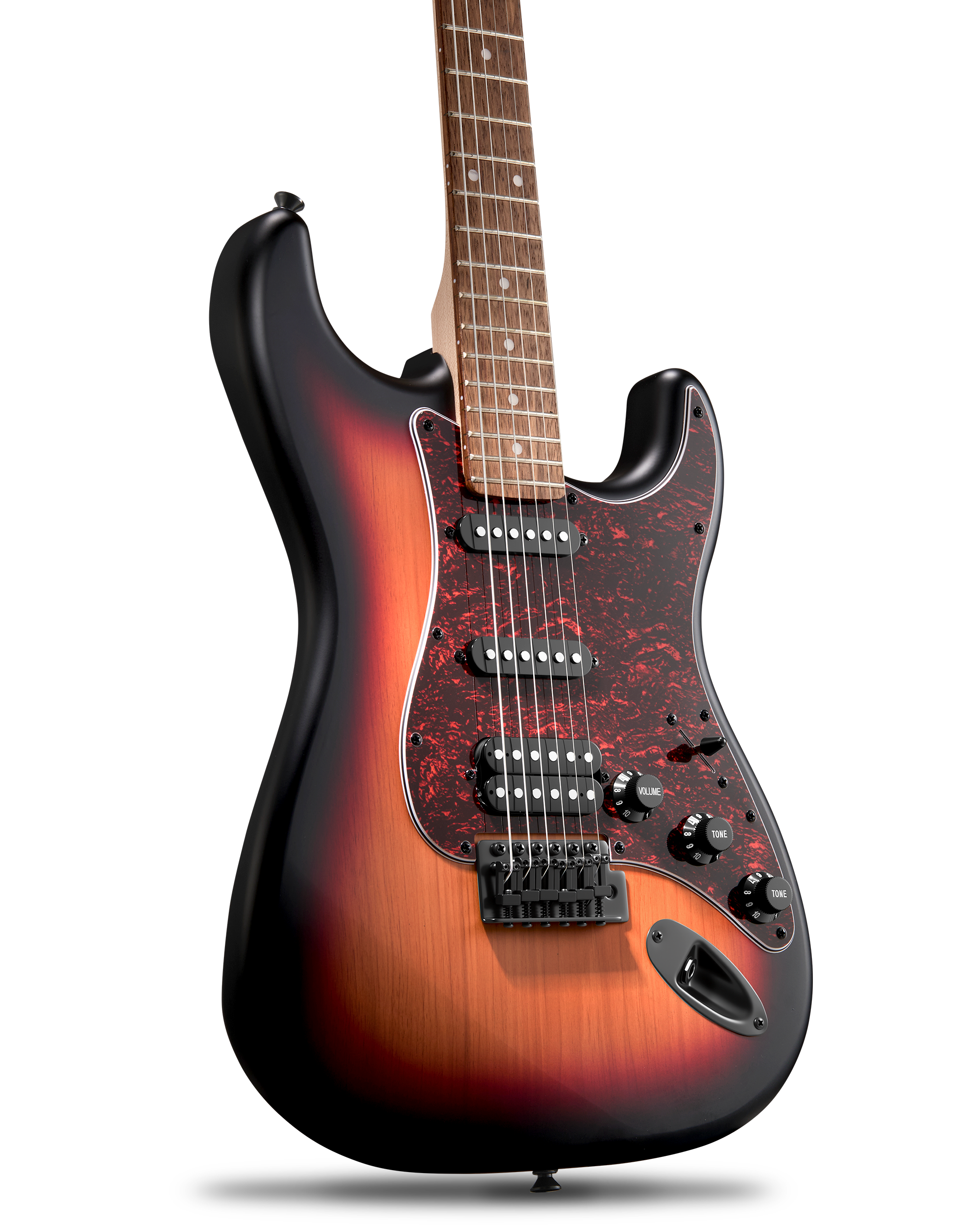
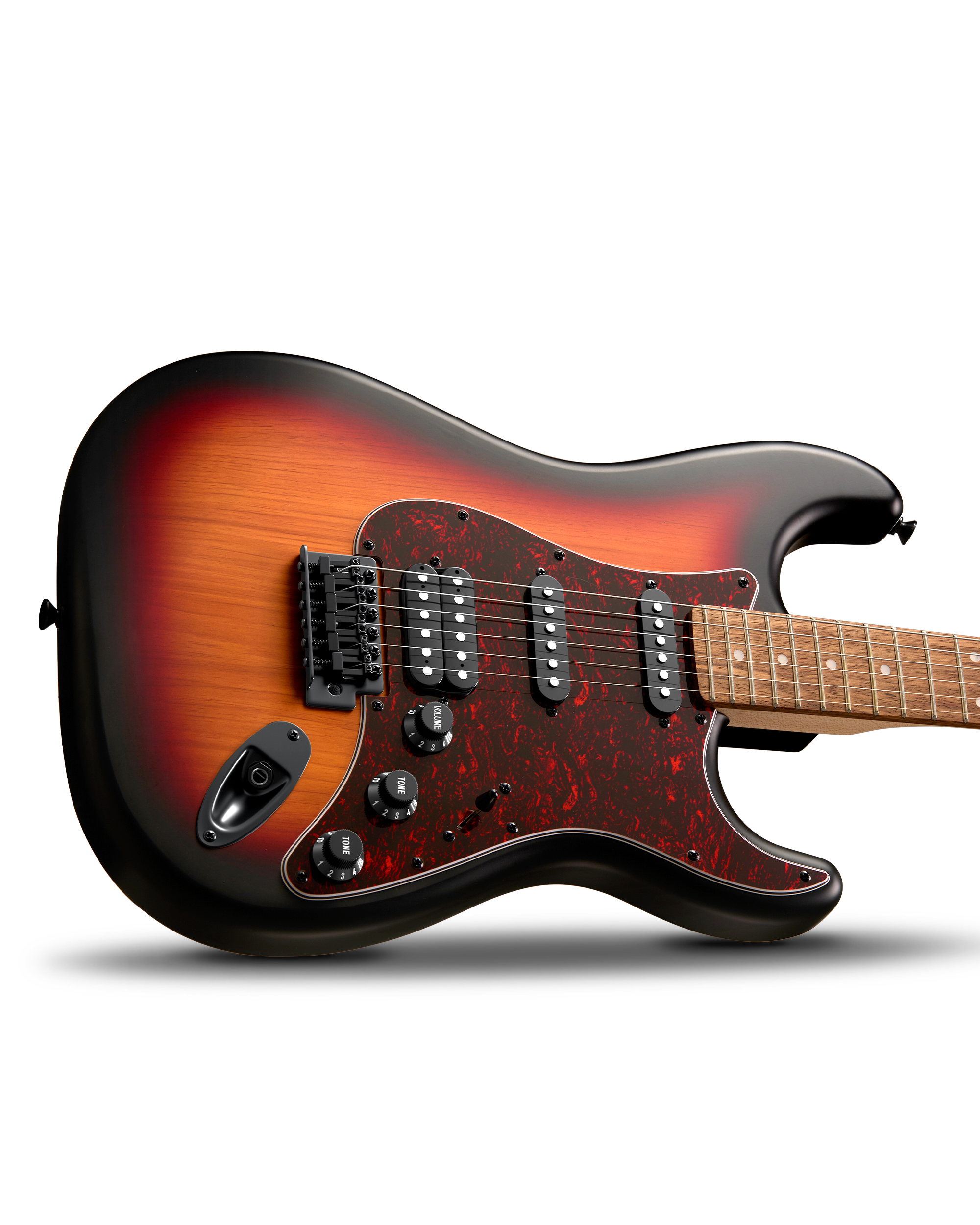
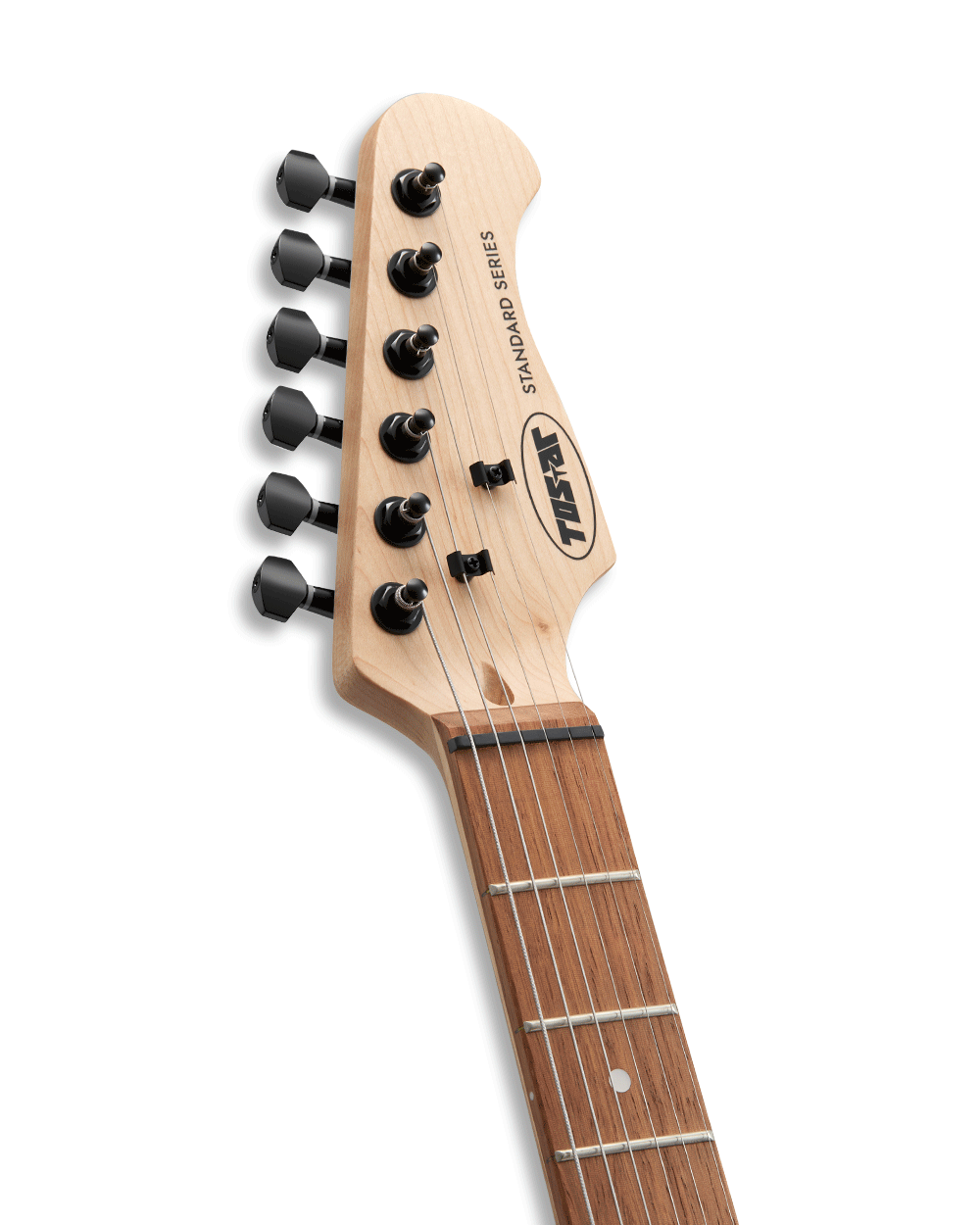
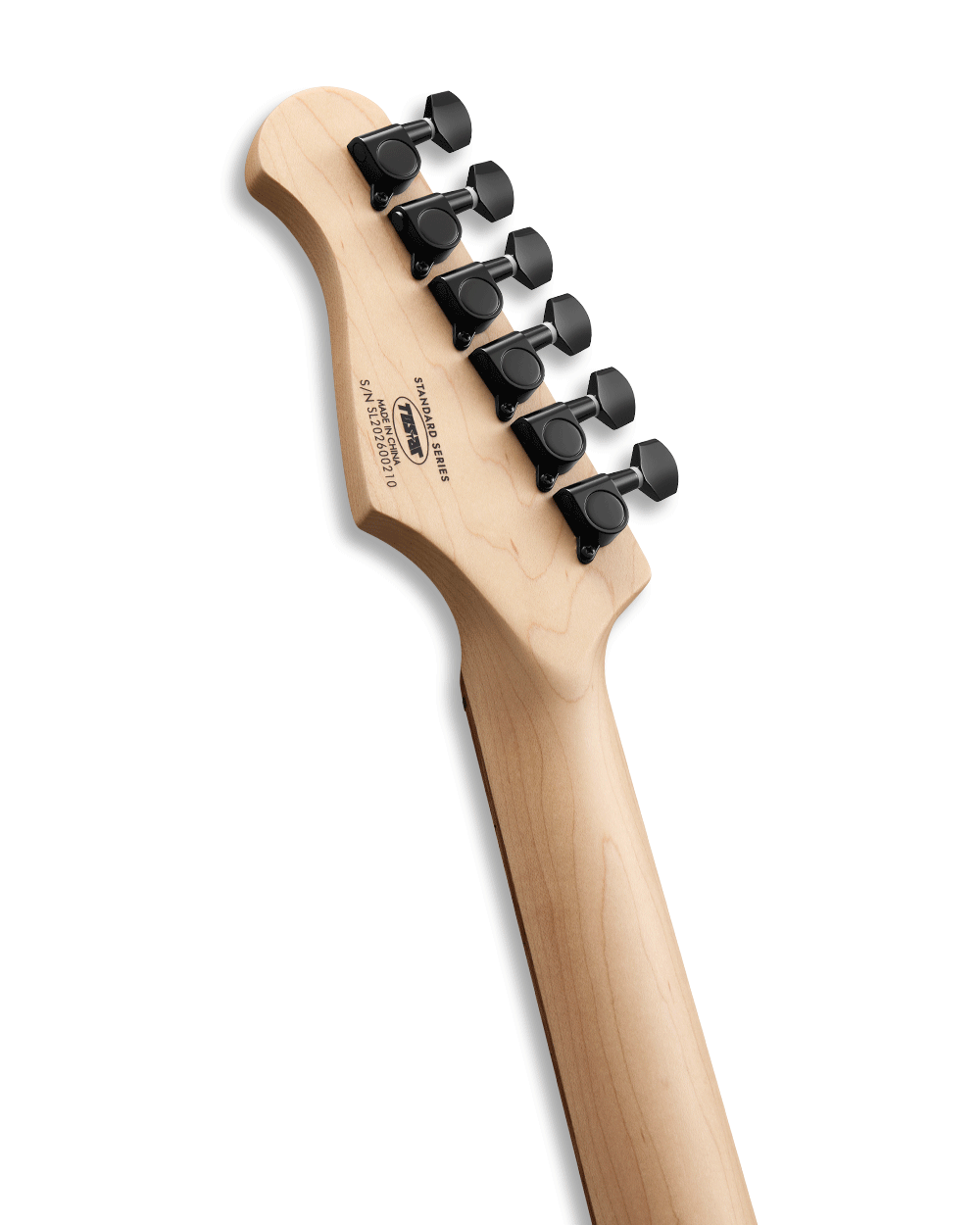
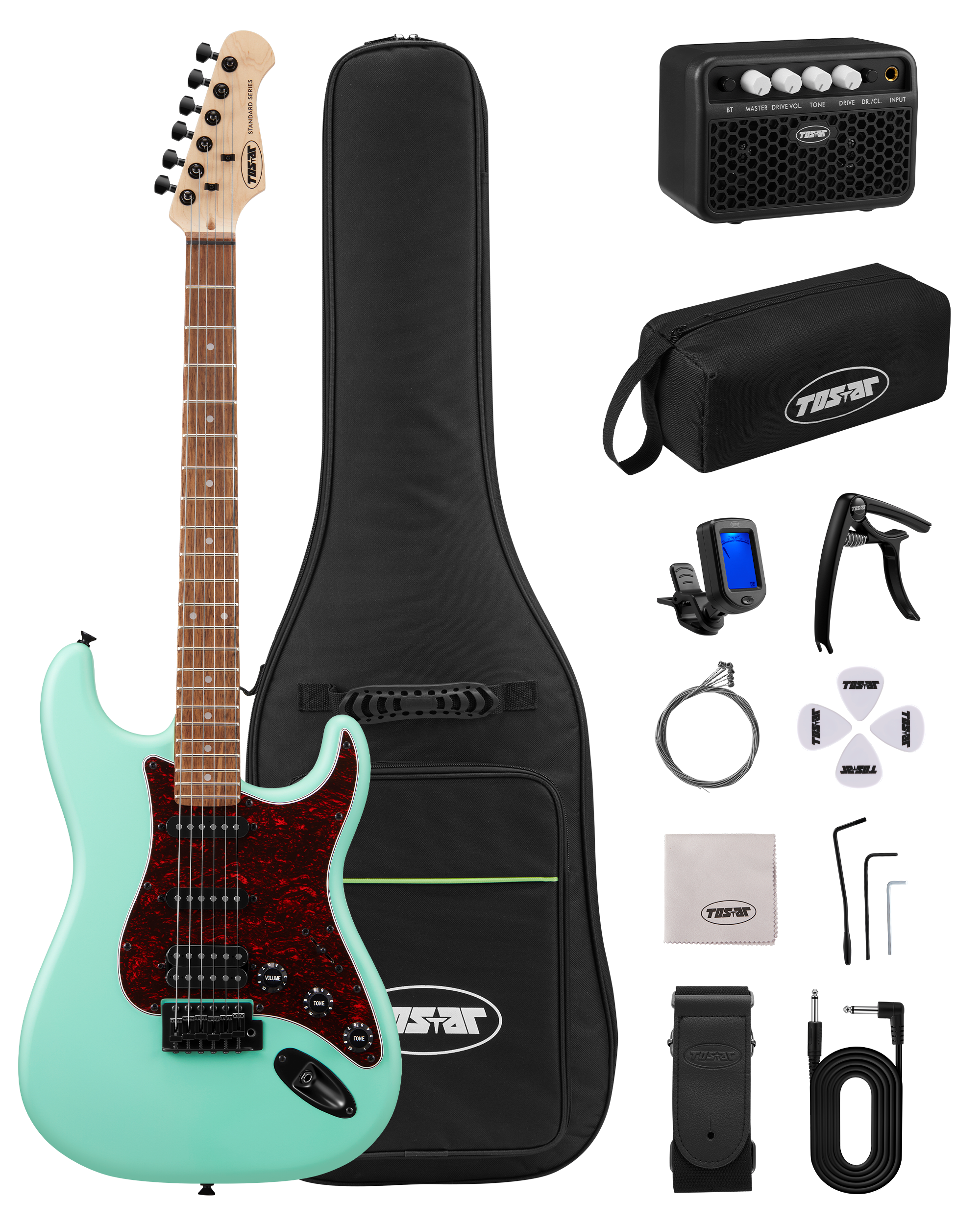
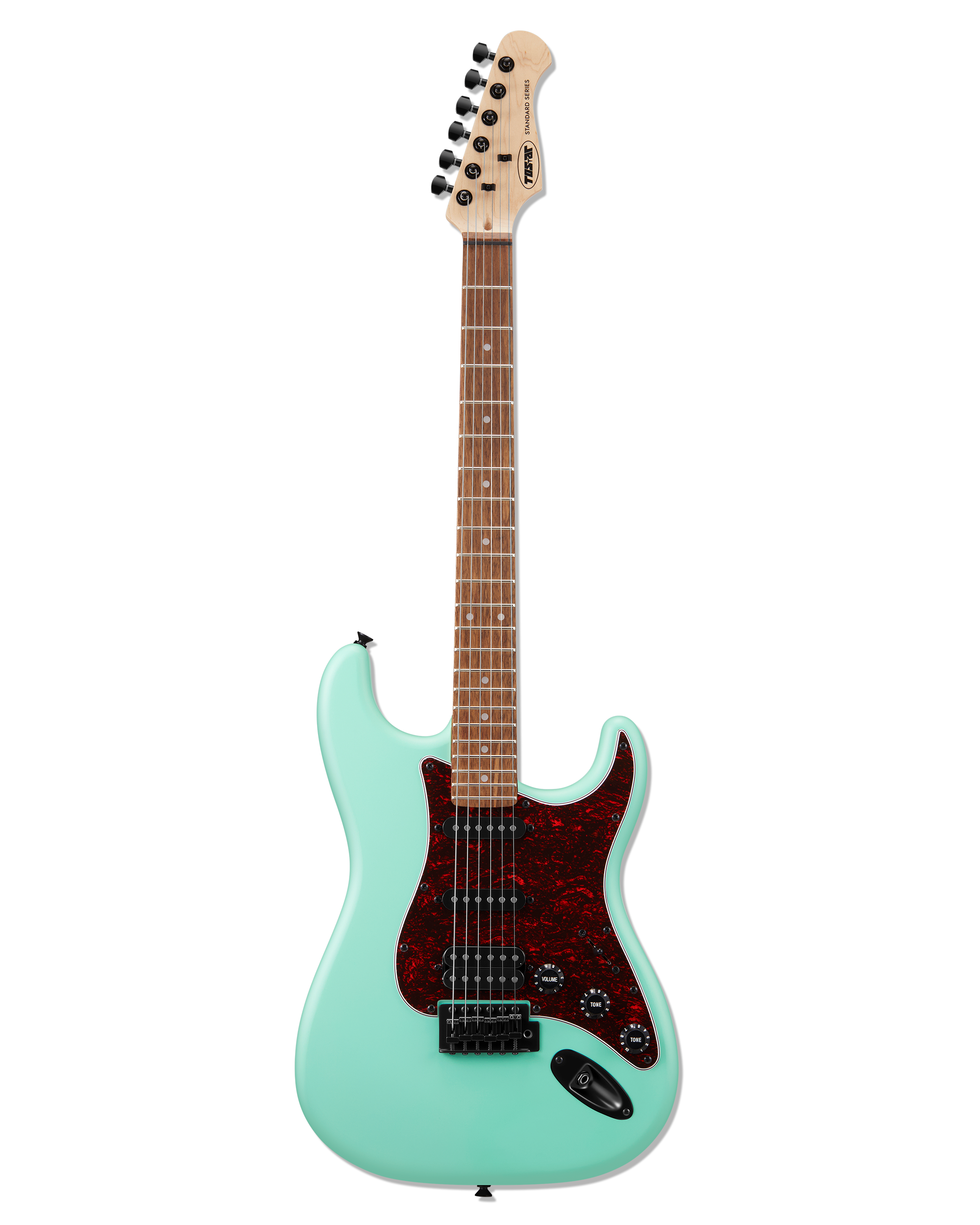
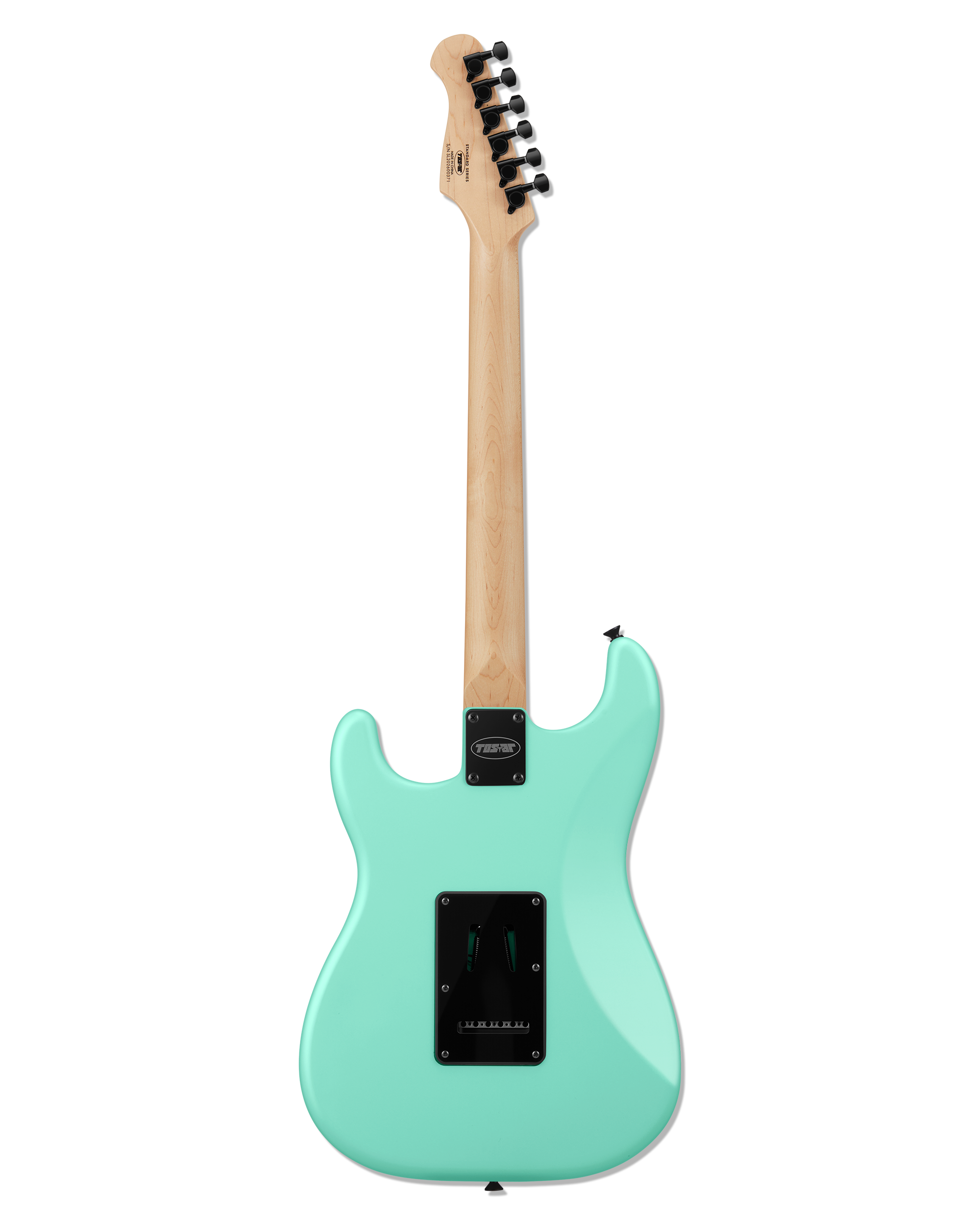
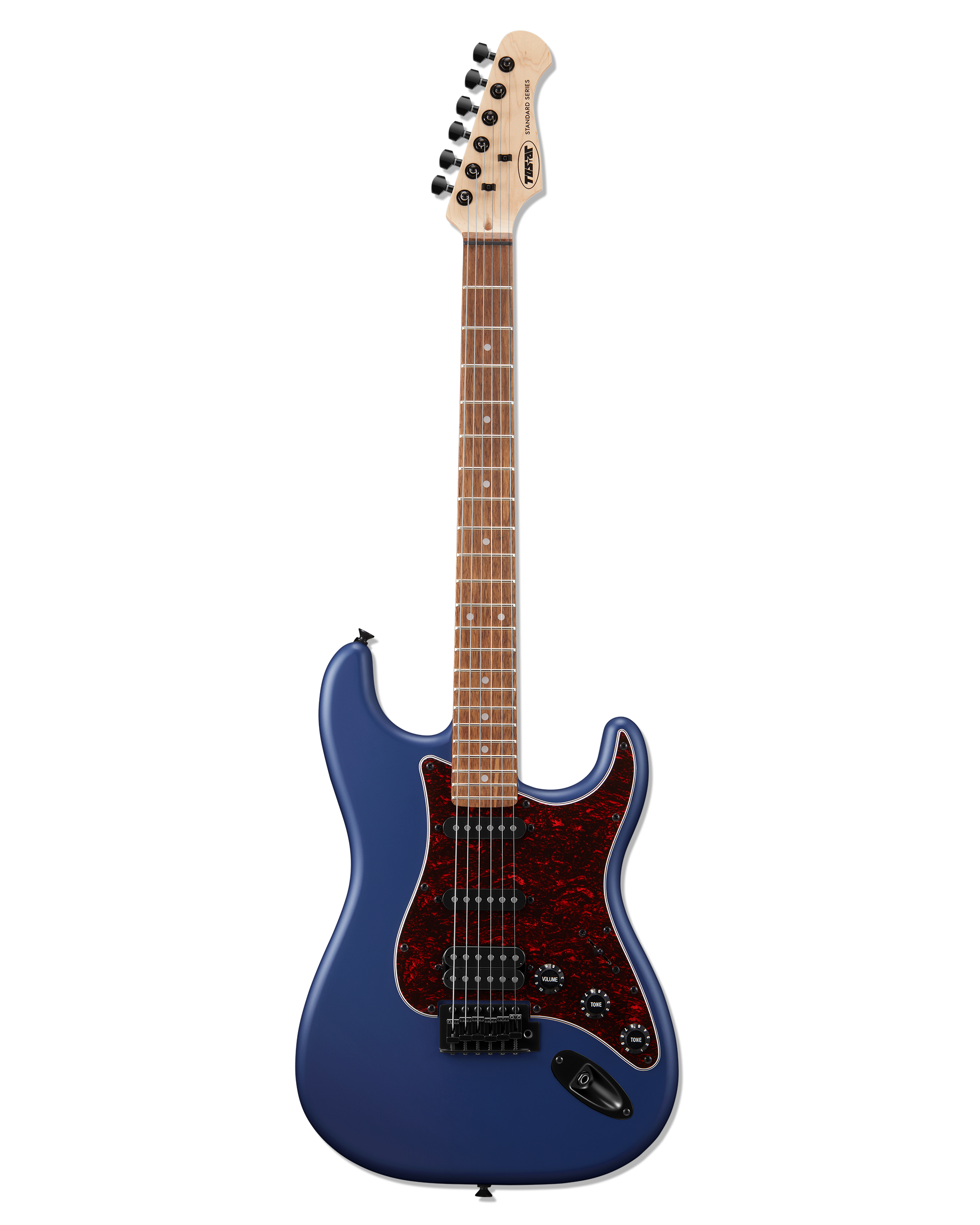
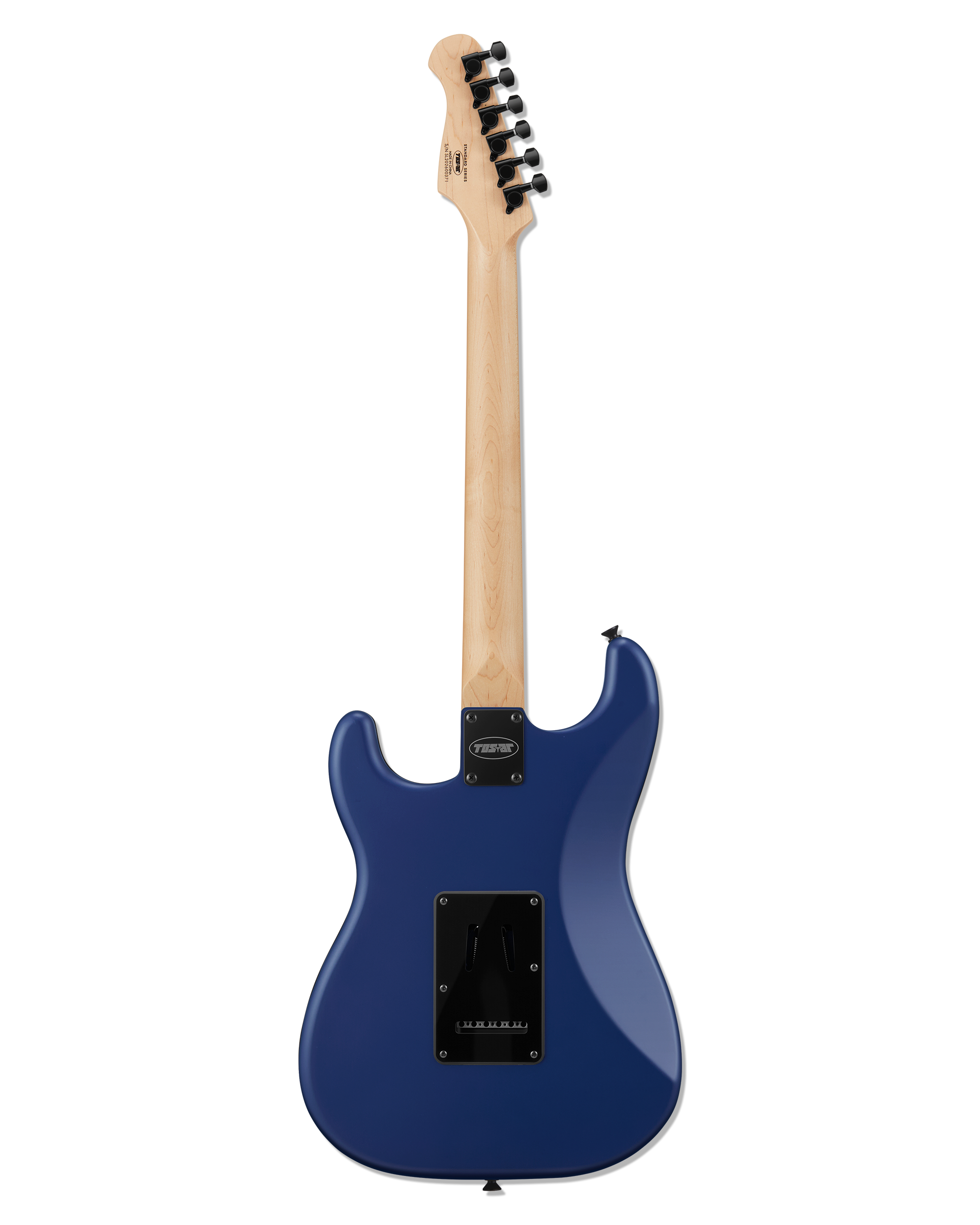
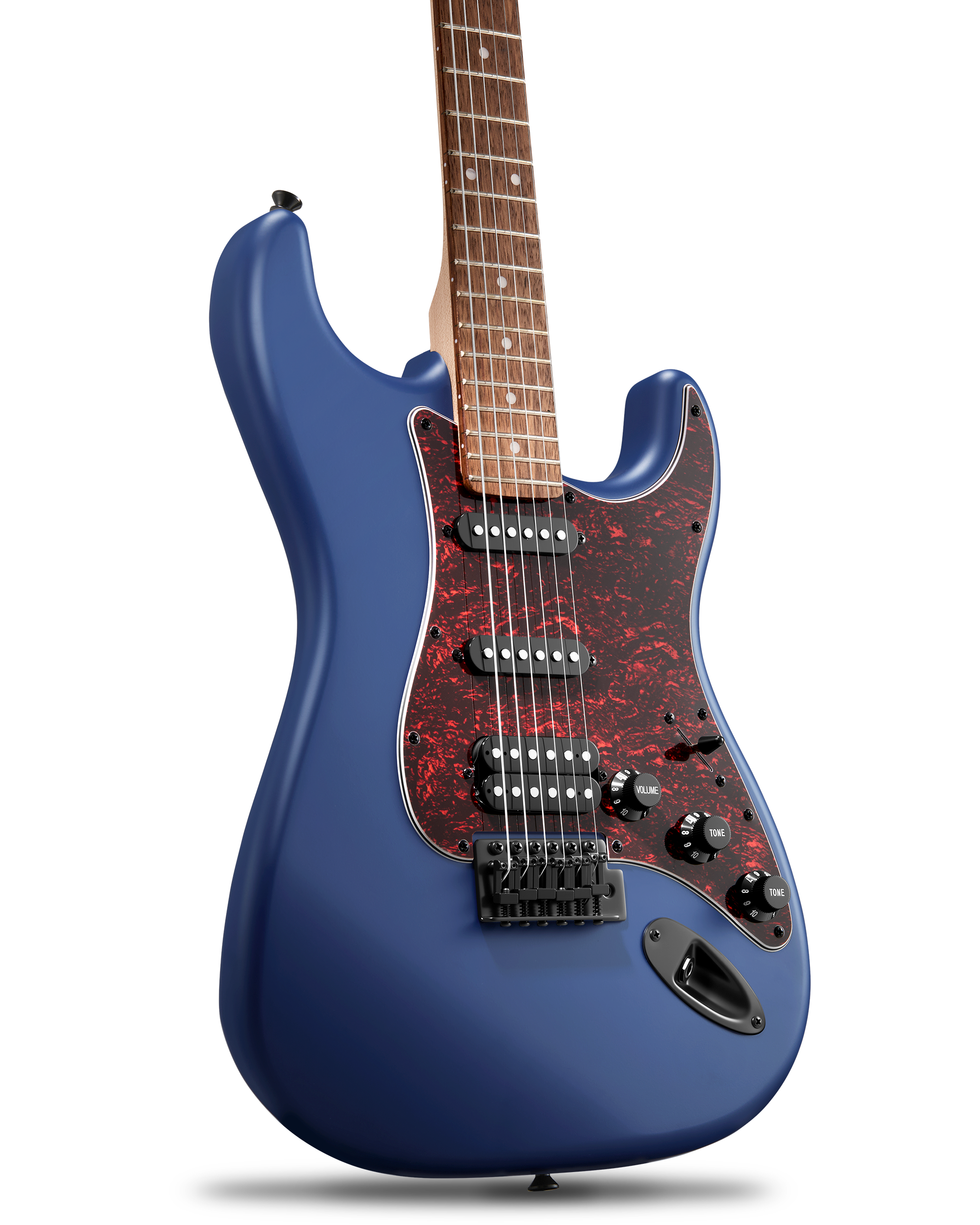
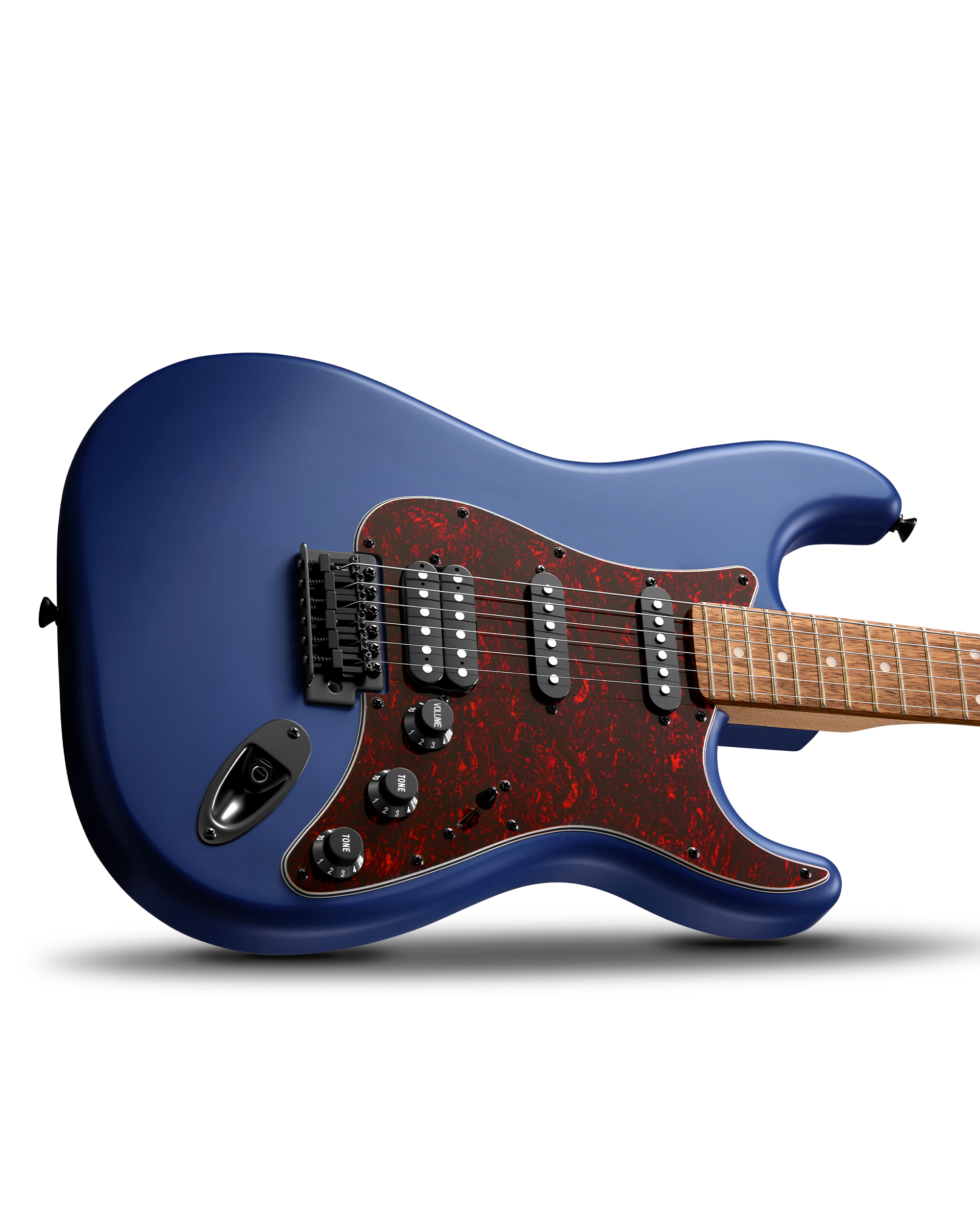
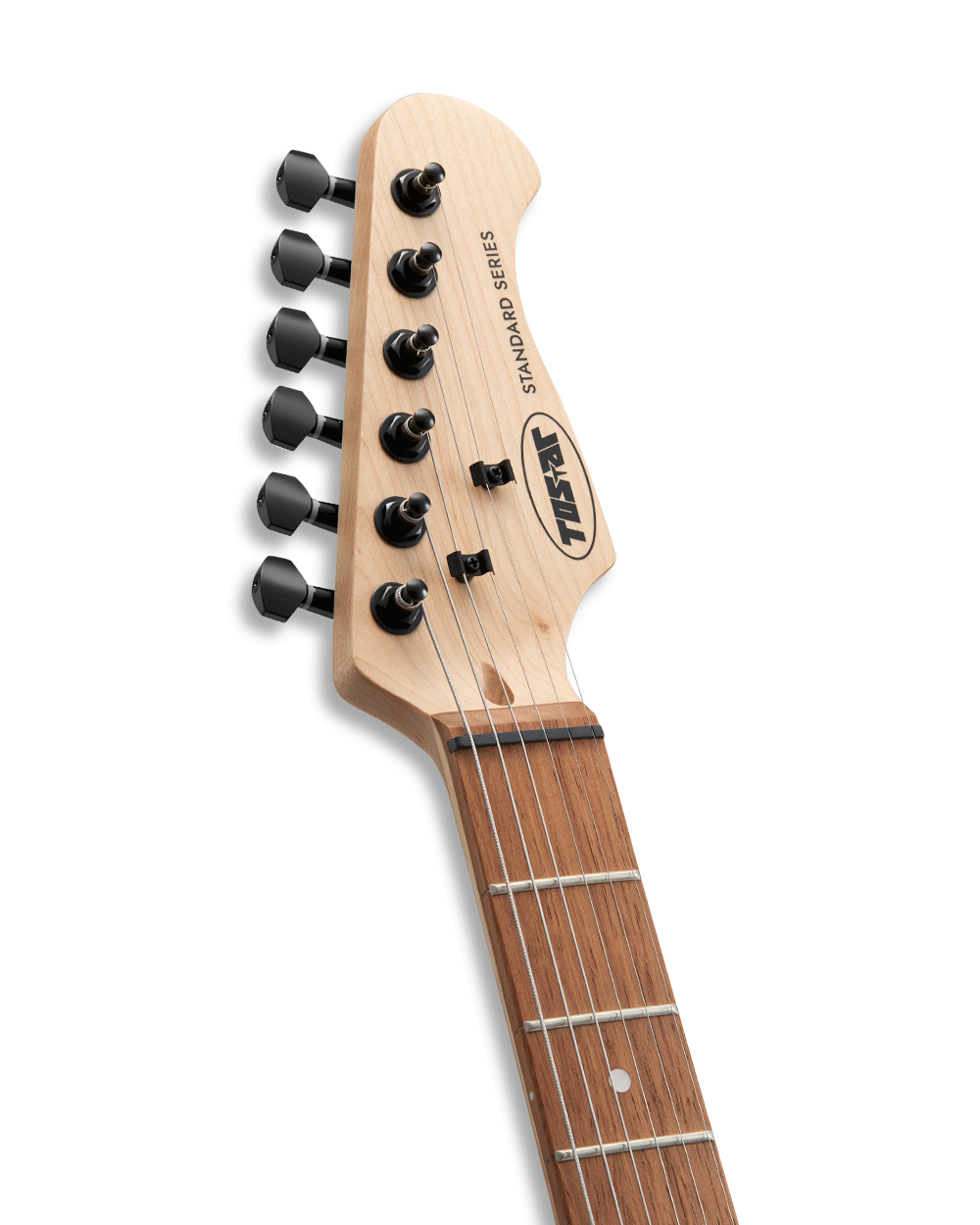
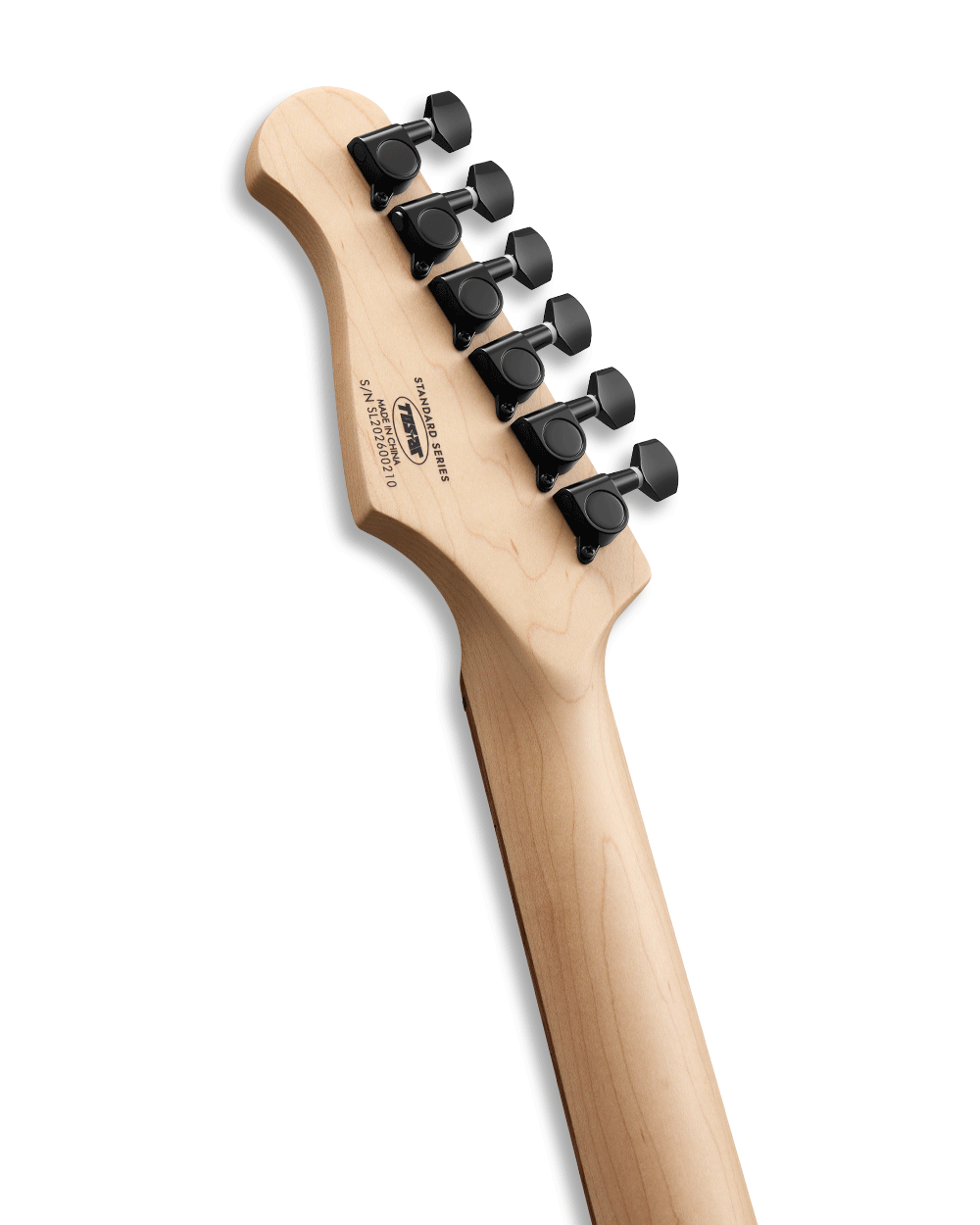
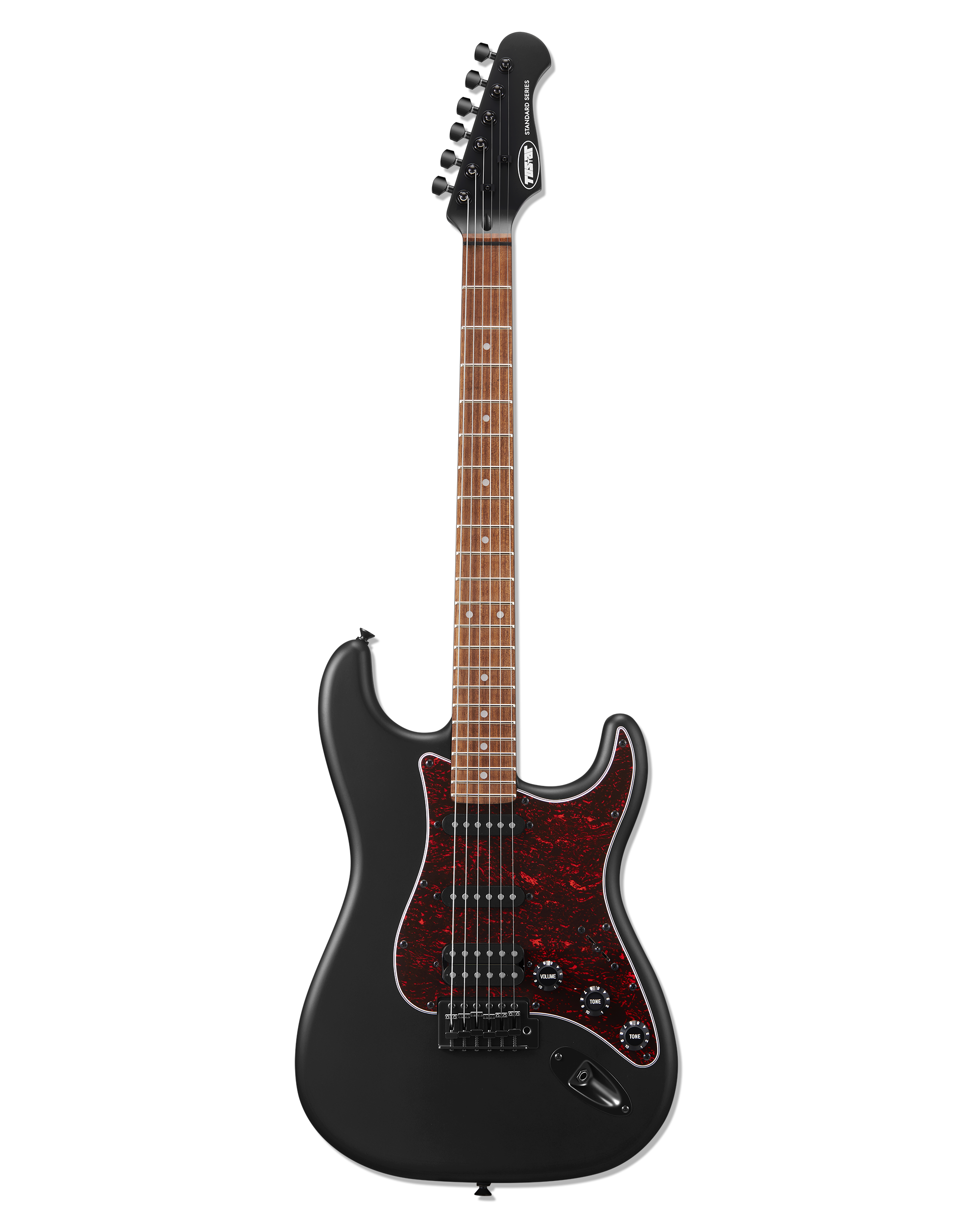
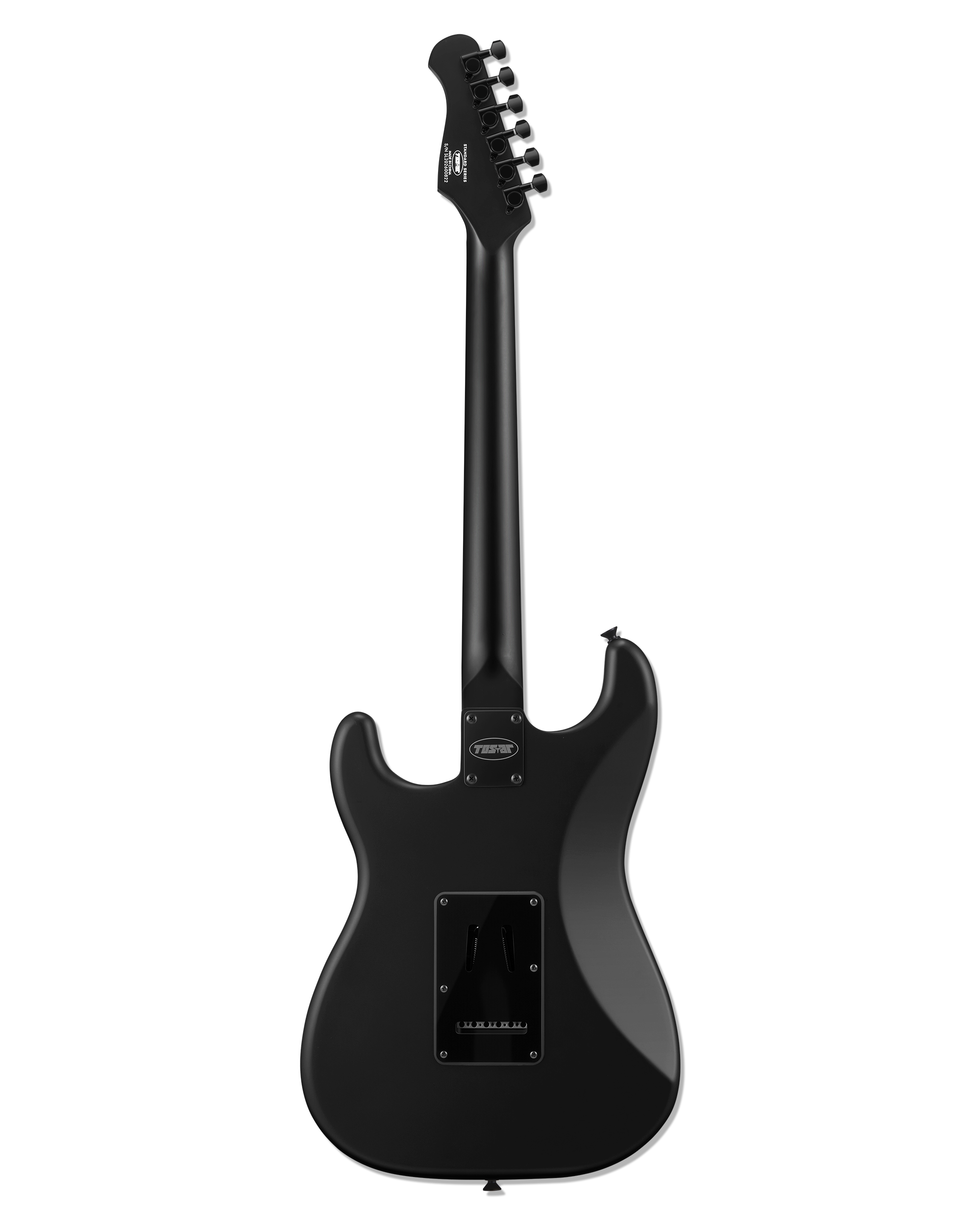
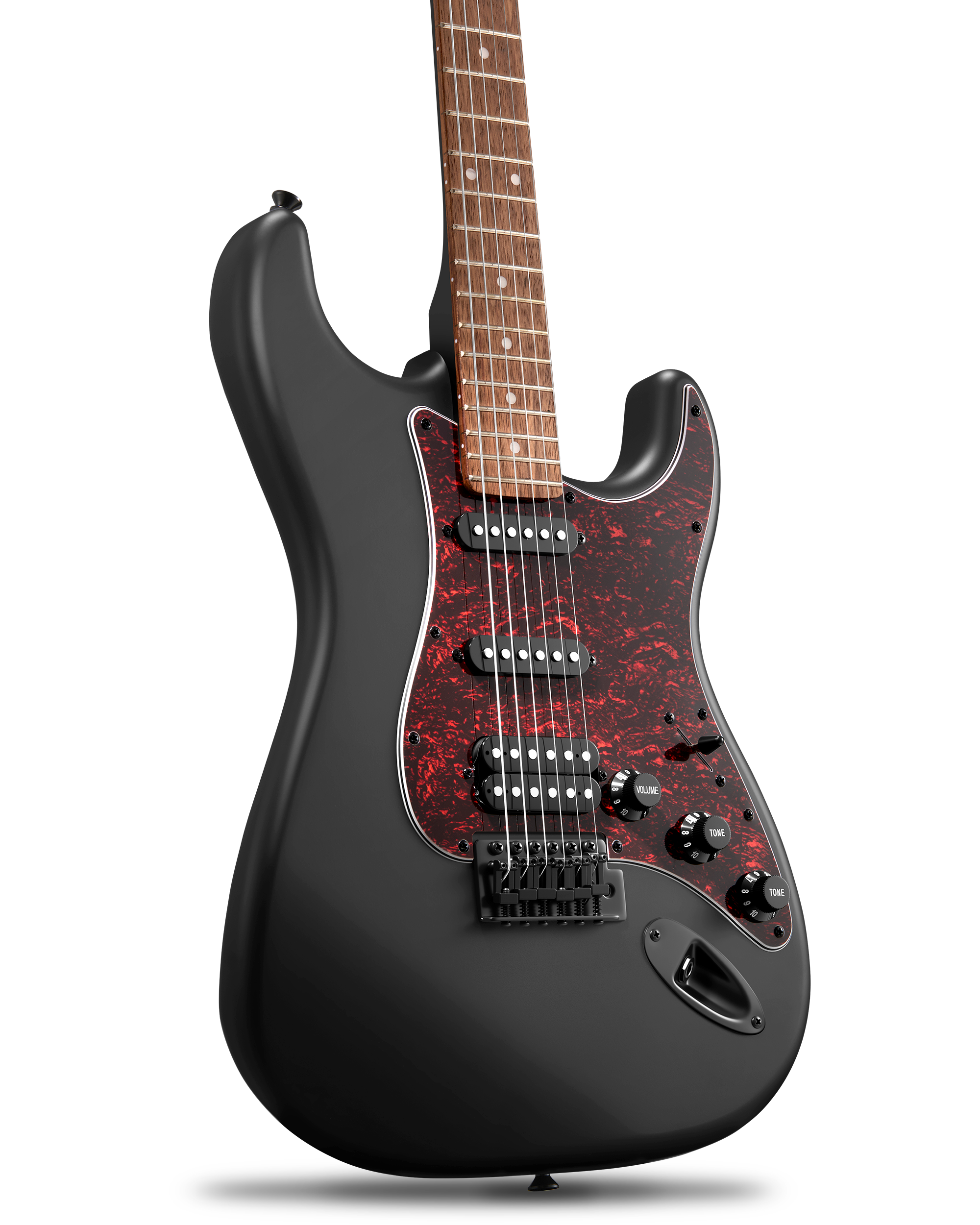
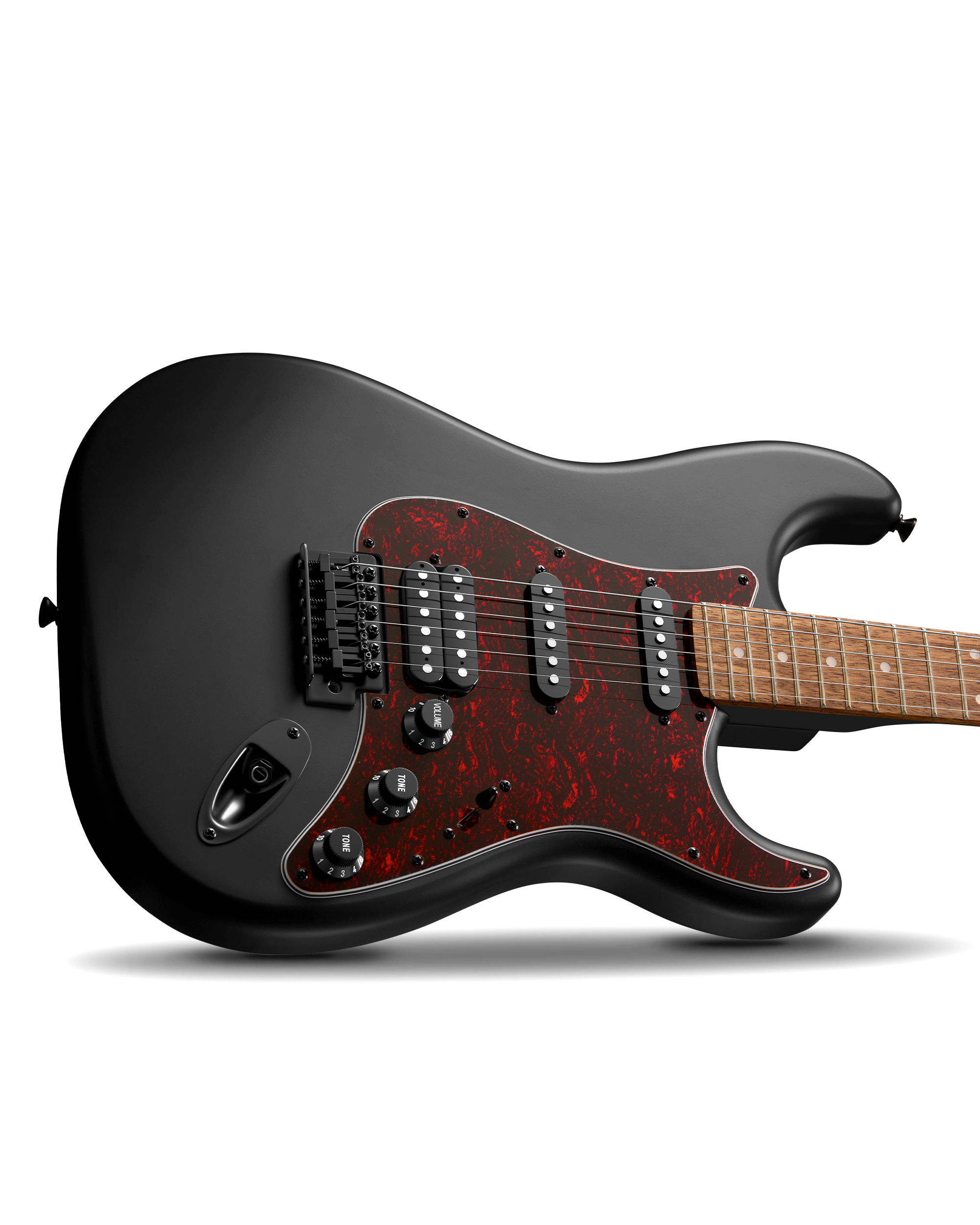
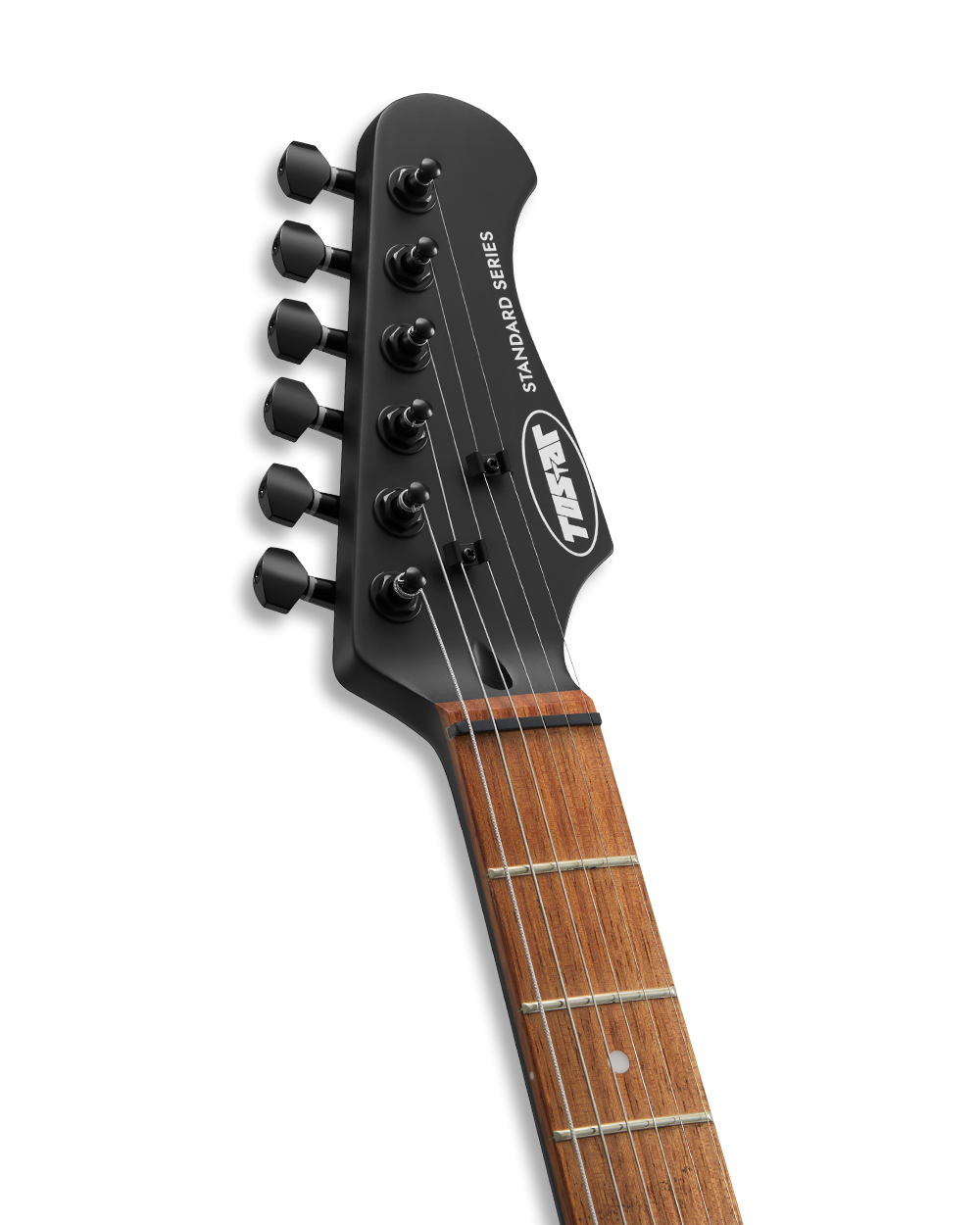
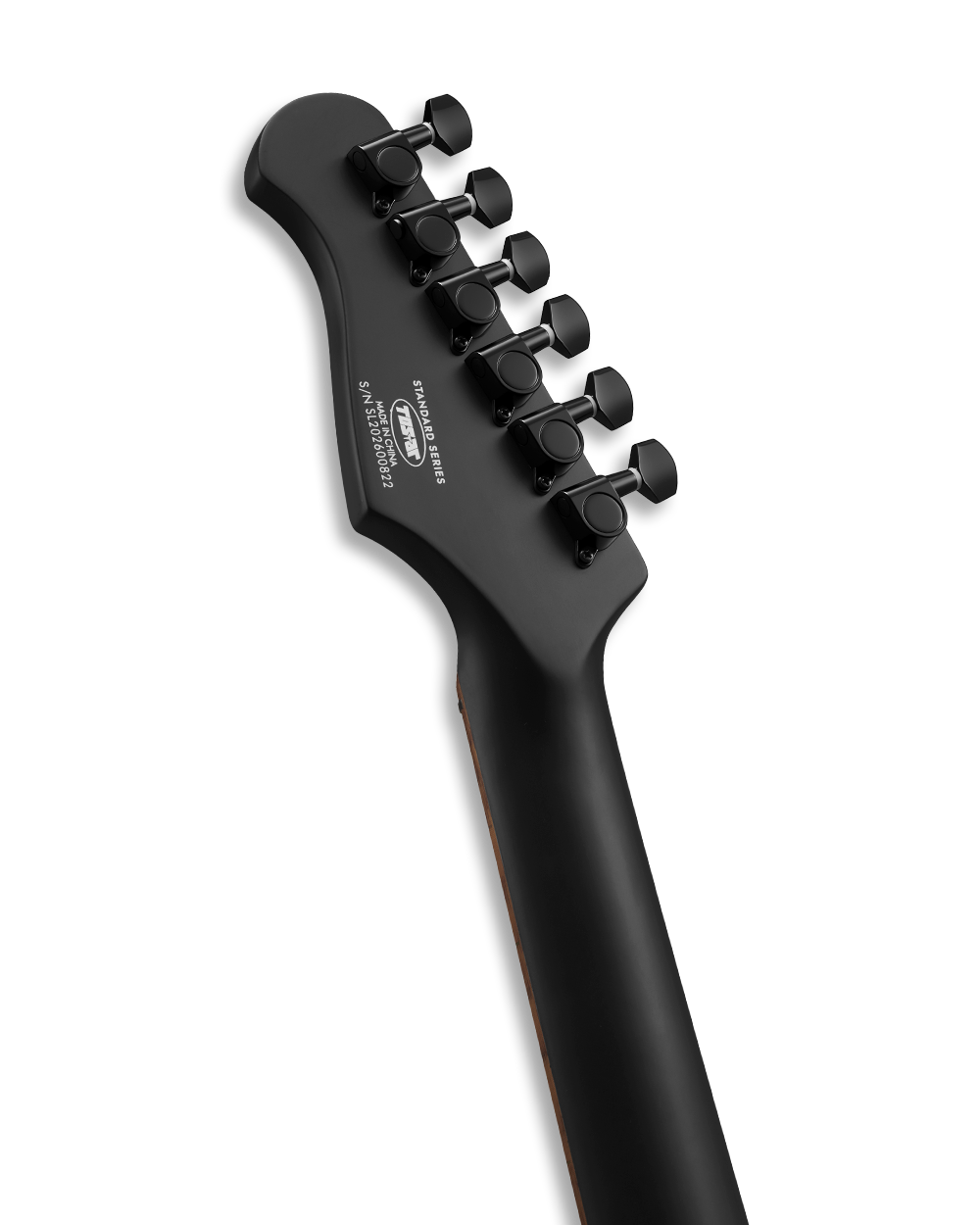
After exploring the rich history of the electric guitar, you might be wondering where to start. We proudly recommend the newly upgraded Tostar TST-130 ST Electric Guitar Set as an excellent choice for beginners in 2026.
This popular model has received meaningful upgrades that make it even more attractive:
- Now available in 4 beautiful colors (expanded from 1): Satin Black, 3-Color Sunburst, Classic Green, and Matte Dark Blue
- Comes with a sturdy 6mm black padded gig bag for better protection and portability
- Includes a 3-meter straight-to-right-angle cable with enhanced anti-interference performance for cleaner signal
- The included practice amp now features dual speakers and powerful High Gain / high-distortion channels, perfect for hard rock, metal, and styles that need strong distortion and impact
Priced affordably with everything you need in one box, the TST-130 ST delivers classic Strat-style versatility with modern reliability and upgraded accessories. Whether you want sparkling cleans or heavy distortion, this set has you covered from day one.
Head over to Tostar Music and grab the upgraded TST-130 ST Electric Guitar Set today. Free shipping is included, and with Tostar’s quality guarantee, you can start your electric guitar journey with confidence.
The electric guitar has come a long way since its invention — and with options like the TST-130 ST, the journey for new players has never been more exciting or accessible. Your first riff awaits!