
 As guitar lovers, few designs spark as much fascination as the Jazzmaster (JM) series. With its signature offset body, surf-inspired twang, and unique versatility, the JM has influenced music from the 1960s to today. Whether you're a beginner seeking your first electric or an experienced player hunting for vintage character with modern playability, the JM family delivers something special.
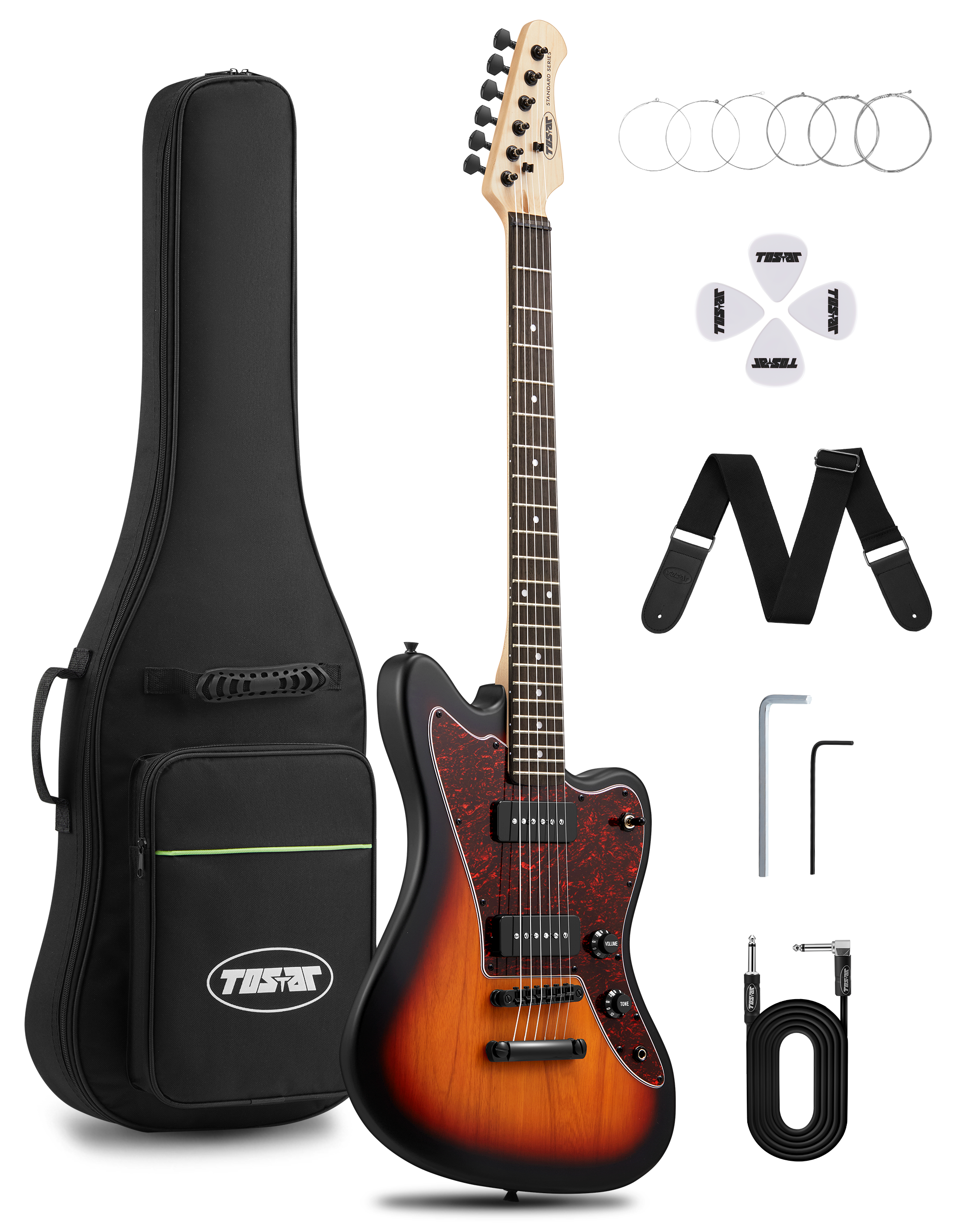
At Tostar, we're proud to offer our own tribute to this iconic platform: the TJM-160 JM Electric Guitar Set, now available at an incredible $129.99 (limited-time offer – regularly higher). This complete beginner package brings classic JM style, powerful P-90 pickups, and everything you need to start playing right away. In this guide, we'll explore the JM's rich history, key features, why it remains relevant in 2026, and how Tostar's TJM-160 makes this legendary design accessible and exciting for today's players. Let's dive in.
1. What is the JM Series Guitar?
When you pick up a Jazzmaster for the first time, its offset waist and flowing lines immediately set it apart from traditional single-cut or double-cut designs. Introduced by Fender in the late 1950s, the JM (short for Jazzmaster) was originally created with jazz players in mind, but its bright, articulate voice and innovative features quickly found fans across genres.
The body is typically made from alder or similar tonewoods, paired with a maple neck and a rosewood or maple fingerboard. The 25.5-inch scale length delivers snap and clarity, while the offset shape provides excellent balance whether you're sitting or standing for long sessions. As a buyer, one of the things I love most is how comfortable it feels – no sharp edges digging into your ribs during extended play.
At the heart are single-coil pickups (often wide "soapbar" style), producing that signature bright, jangly "twang" that's perfect for clean arpeggios, surf rhythms, or chimey indie textures. What makes the JM truly unique is its dual-circuit switching: the standard "lead" circuit for full tonal range, and a dedicated "rhythm" circuit that isolates the neck pickup with separate controls for a darker, warmer sound – ideal for quick changes during performance.
For beginners, the JM can feel a bit specialized at first, but its forgiving neck profile and versatile switching make it surprisingly approachable. It's not as aggressive as a Les Paul or as twangy as a Telecaster – it's something in between, perfect for players who want character without locking into one style. Tostar's TJM-160 captures this spirit perfectly, offering an authentic JM experience at an entry-level price point.
From a consumer standpoint, the JM stands out in a market full of Strat and Les Paul copies. It's for those who want a guitar with personality – one that looks cool, feels great, and sounds distinctive.
2. The History of JM Guitars: From Surf Rock to Indie Revival
The Jazzmaster's story is one of unexpected triumph. Launched in 1958 at the NAMM show, Fender positioned it as their top-of-the-line electric, aimed squarely at jazz guitarists who wanted a solid-body alternative to bulky archtops. It featured advanced touches like the rhythm circuit and a floating tremolo system for subtle vibrato effects.
But jazz players didn't embrace it. The bright single-coils and offset body felt too modern, too far from the warm, rounded tone of hollow-bodies. Sales were modest at first. Then came the early 1960s surf rock explosion. Artists like Dick Dale and The Ventures discovered the JM's twangy voice and expressive tremolo arm perfectly suited the reverb-drenched, wave-like instrumentals of the genre. Suddenly, the "jazz" guitar became the sound of the beach.
By the 1970s and 1980s, as heavier rock and metal took center stage, the JM faded from the spotlight. Players favored thicker humbucker tones and more stable bridges for high-gain riffing. The Jazzmaster became a niche instrument, loved by a small but dedicated following.
The real revival came in the 1990s with grunge, shoegaze, and alternative rock. Bands like Sonic Youth (Thurston Moore and Lee Ranaldo) and My Bloody Valentine (Kevin Shields) embraced modified JMs for their ability to create walls of noise, controlled feedback, and dreamy textures. The offset shape proved comfortable for long, intense performances, and the tremolo system allowed expressive manipulation of feedback and pitch – exactly what experimental players needed.
This indie/alternative wave turned the JM into a symbol of non-conformity: the artist's tool – perfect for sonic exploration rather than technical flash. The revival continues into 2026, with modern players and brands like Tostar keeping the flame alive through accessible, high-quality interpretations.
For consumers, this history is empowering: you're not just buying a guitar; you're joining a lineage that spans surf, noise, and indie. Affordable models like Tostar's TJM-160 let anyone experience that legacy without hunting vintage pieces.
3. Key Features of JM Guitars: Design, Sound, and Playability
What makes the JM series so special? Let's look at the core elements that define it.
Offset Body Design: The asymmetrical waist isn't just for looks – it provides exceptional comfort, especially when playing seated or standing for hours. The contoured shape reduces fatigue, making it ideal for long rehearsals or gigs.
Scale Length and Neck: A 25.5-inch scale delivers bright, clear articulation with plenty of string tension for precise bends. The maple neck (often with rosewood or maple board) feels fast and responsive, with medium-jumbo frets and a comfortable radius (usually 9.5"–12") for easy chord work and soloing.
Single-Coil Pickups: The wide "soapbar" single-coils produce a signature chimey, twangy tone – crisp and articulate for cleans, biting when pushed. The unique rhythm/lead circuit lets you switch between full-range lead tones and a darker, neck-only rhythm sound with dedicated roller controls – a feature not found on most standard electrics.
Floating Tremolo System: The JM's vibrato bridge allows smooth, expressive pitch bends and subtle warbles without excessive detuning (especially on well-set-up examples). Modern versions improve stability, but the classic feel remains a draw for players who love adding movement to their lines.
Playability & Ergonomics: Medium weight (7–8 lbs), balanced design, and thoughtful contours make the JM feel natural in your hands. It's not as heavy as a Les Paul or as light as some modern superstrats – it's just right for most players.
Sound-wise, the JM excels in clean to mid-gain territories: surf sparkle, indie jangle, shoegaze wash, even bluesy sustain when pushed. It takes pedals beautifully – reverb, delay, fuzz – making it incredibly versatile. For consumers, these features create a guitar that's distinctive without being intimidating. Tostar's TJM-160 faithfully recreates this experience with modern refinements for reliability and ease.
4. Why Choose a JM Guitar? Benefits for Different Players
The JM series offers benefits that appeal to a wide range of players – here's why it's worth considering.
For Beginners: The offset shape and comfortable neck make it easy to hold for long practice sessions. The rhythm circuit simplifies tone changes, helping you focus on playing rather than tweaking. Lower action (on well-set-up examples) reduces finger fatigue compared to some vintage-style guitars.
For Intermediate & Advanced Players: The tonal range – from glassy cleans to gritty overdrive – rewards experimentation. The tremolo system adds expressiveness, and the guitar responds well to pedals, letting you build complex soundscapes. Many pros use JMs as secondary or signature instruments for their unique voice.
Genre Versatility: Surf, indie, alternative, shoegaze, noise rock, even modern pop/rock – the JM adapts. Its bright single-coils cut through mixes, while the rhythm circuit provides warmer rhythm tones when needed.
Comfort & Gigging: Lightweight, balanced, and ergonomic – ideal for long sets. The design reduces shoulder strain and feels natural whether standing or sitting.
Value & Resale: Classic JMs hold value well; modern interpretations like Tostar's TJM-160 offer authentic JM feel at entry-level prices, making it a smart investment for beginners or collectors on a budget.
Drawbacks? The tremolo can be finicky if not set up properly, and single-coils may hum in high-gain situations (though many players love this character). Overall, the JM rewards players who want something different – a guitar with personality, history, and endless creative potential.
5. Tostar's JM Series: Honoring the Classic
At Tostar, we believe the JM deserves to be accessible to everyone – not just collectors or pros. That's why we created our JM series, led by the TJM-160 JM Electric Guitar Set. We focused on capturing the essential spirit of the original while adding practical upgrades for today's players.
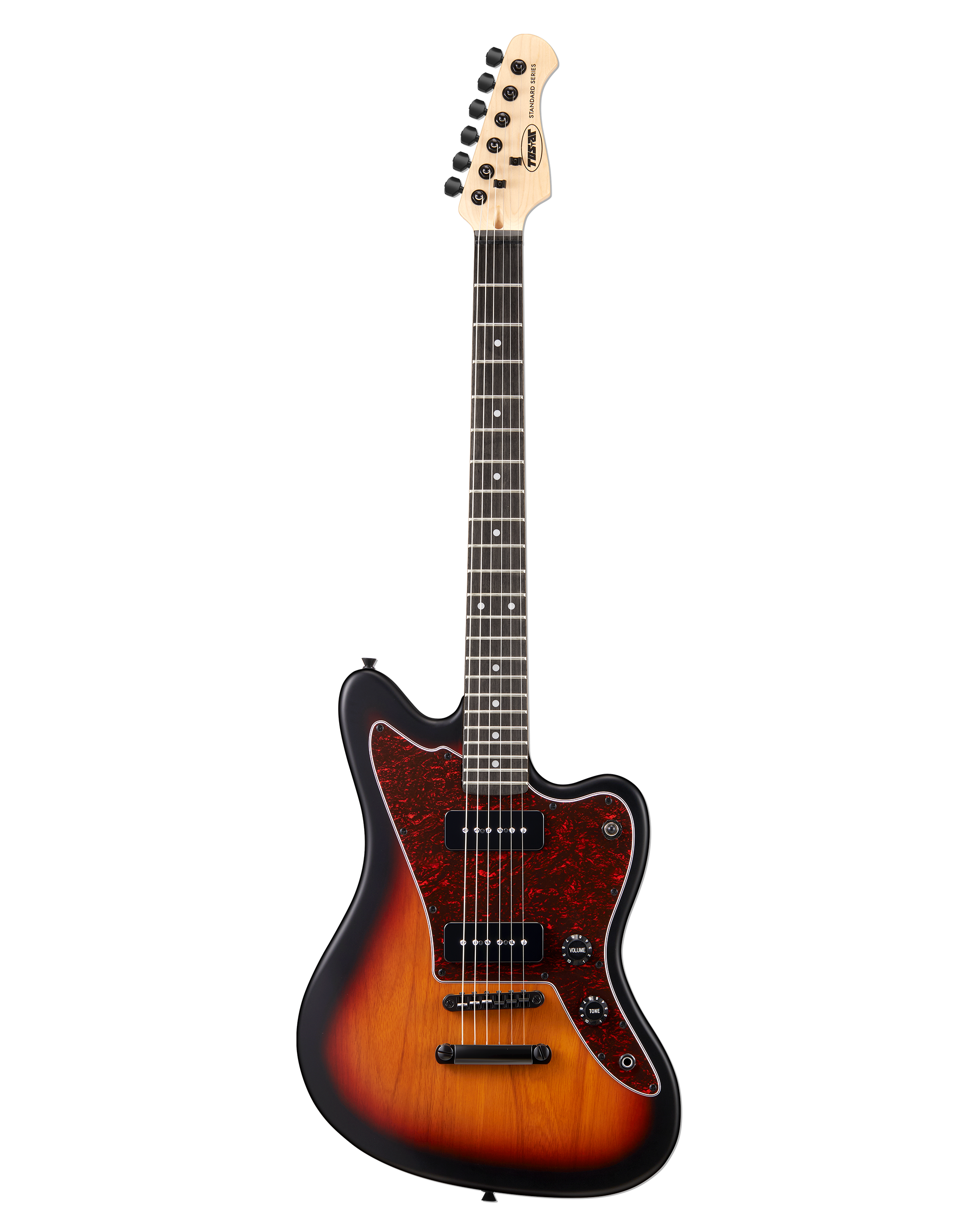
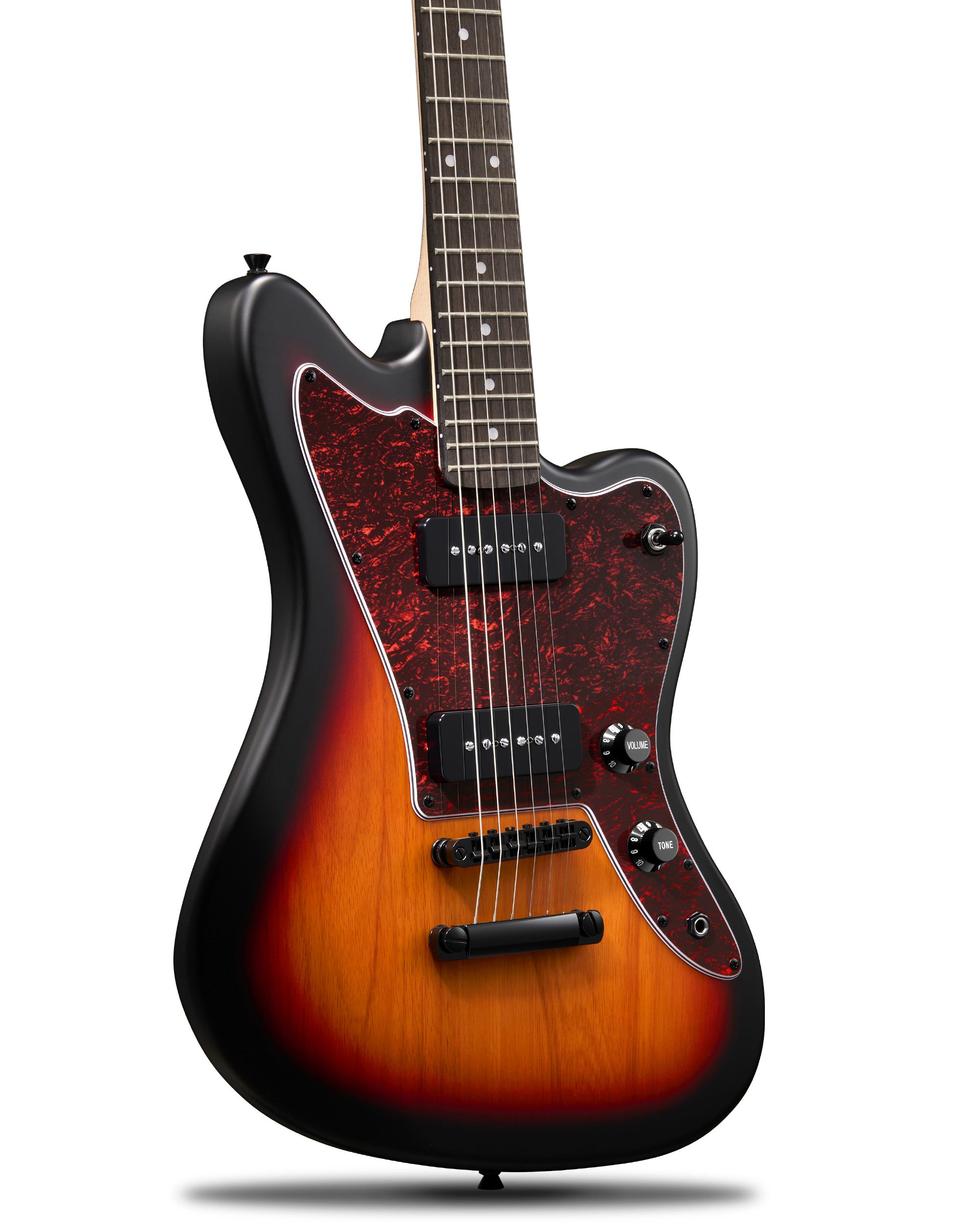
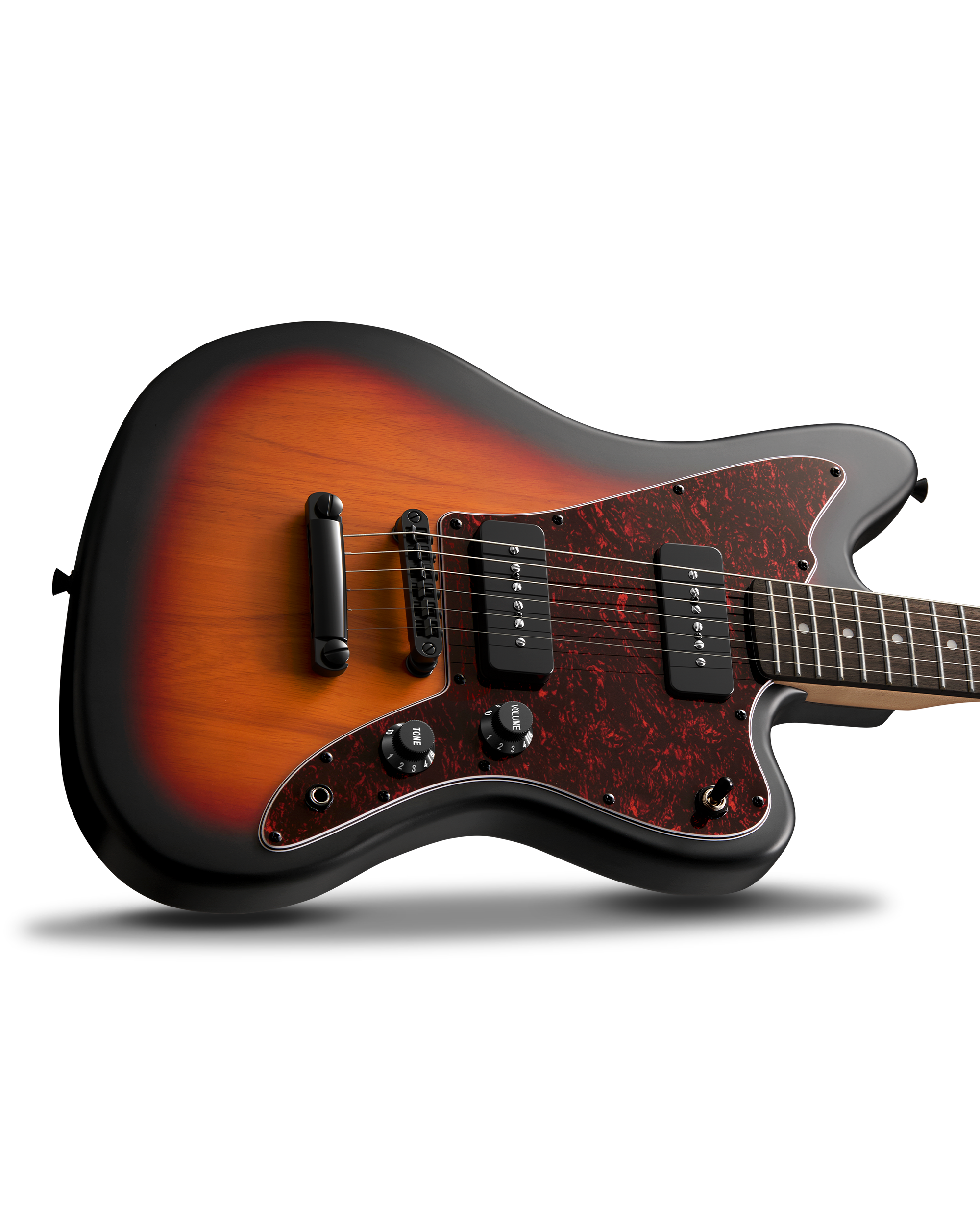
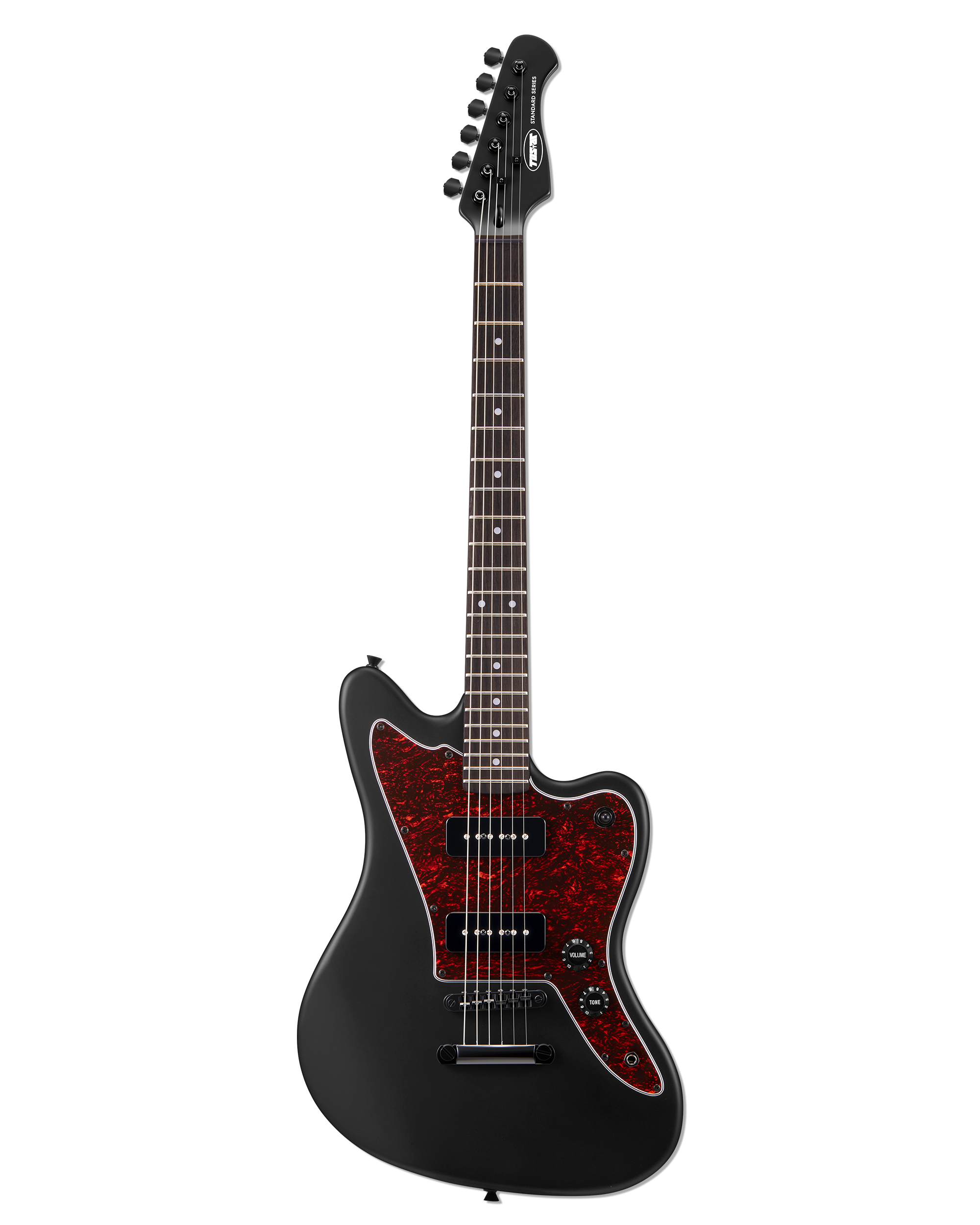
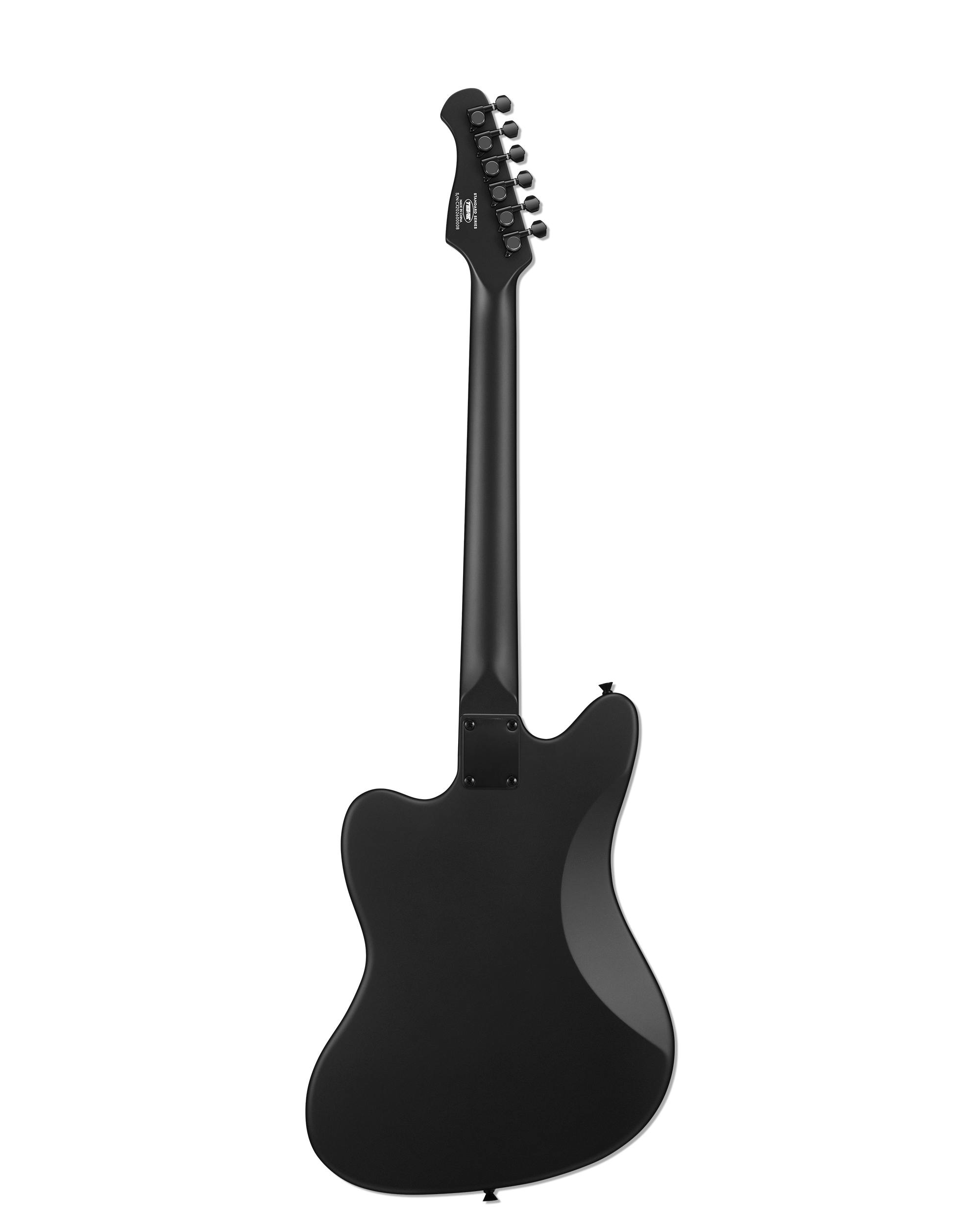
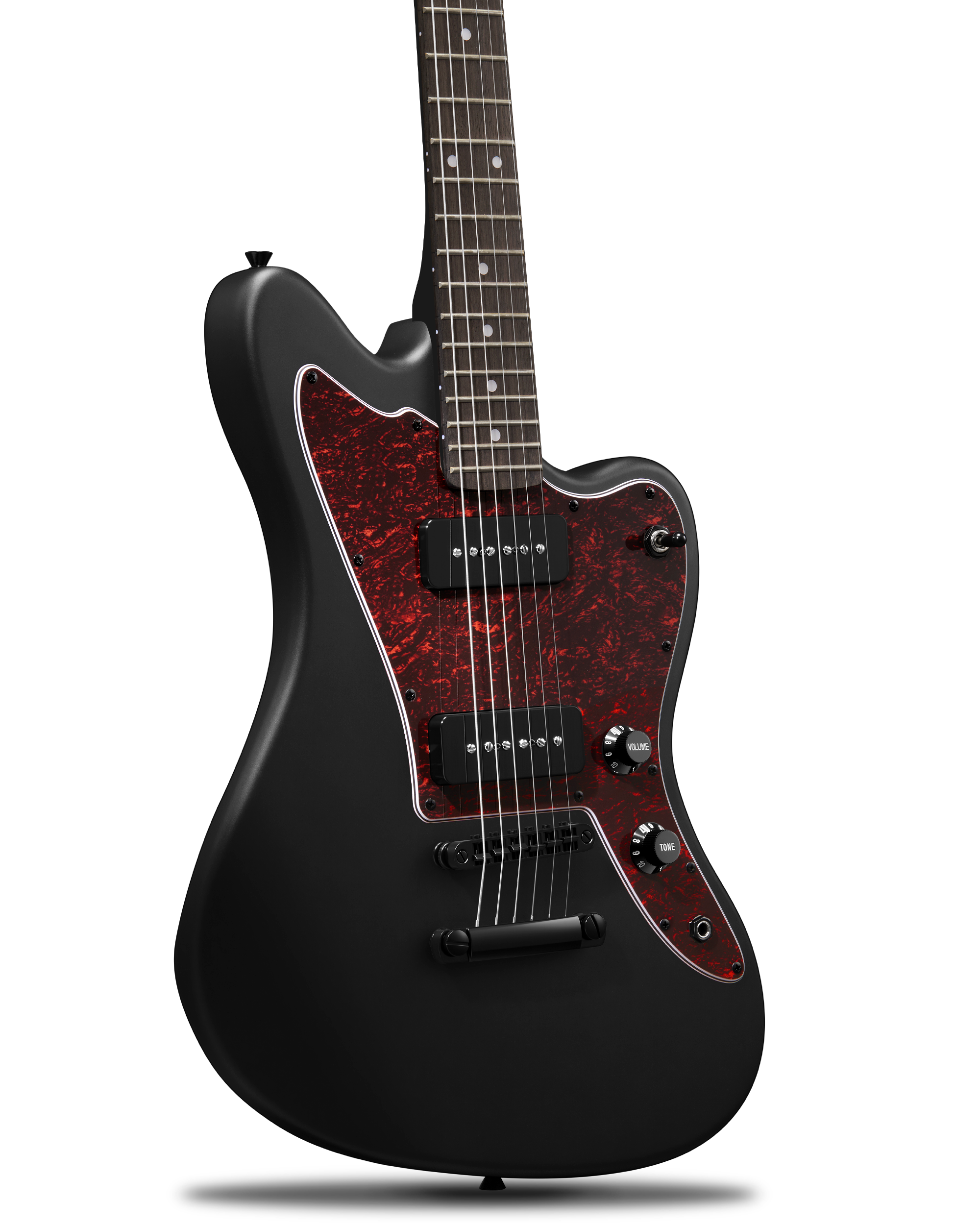
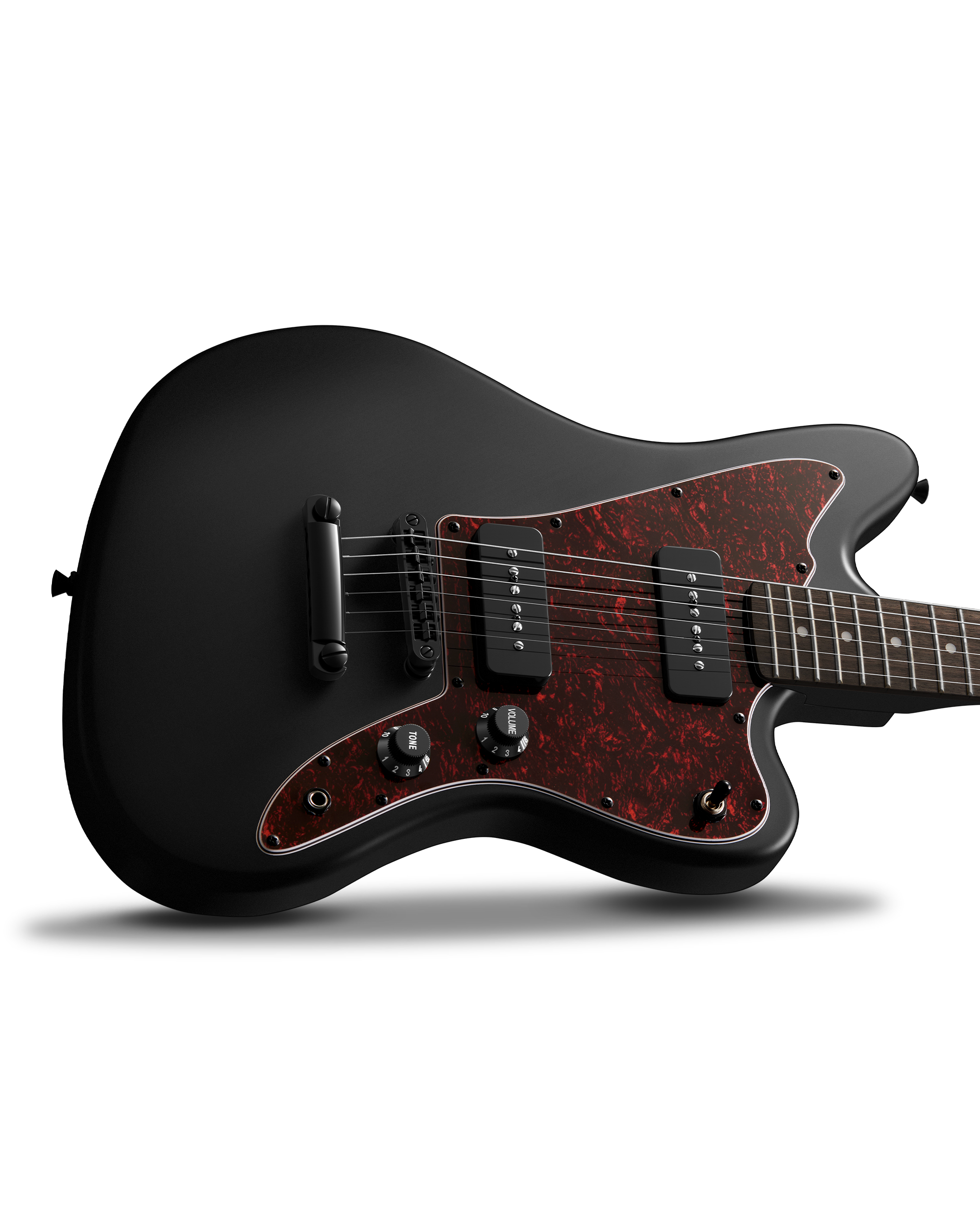
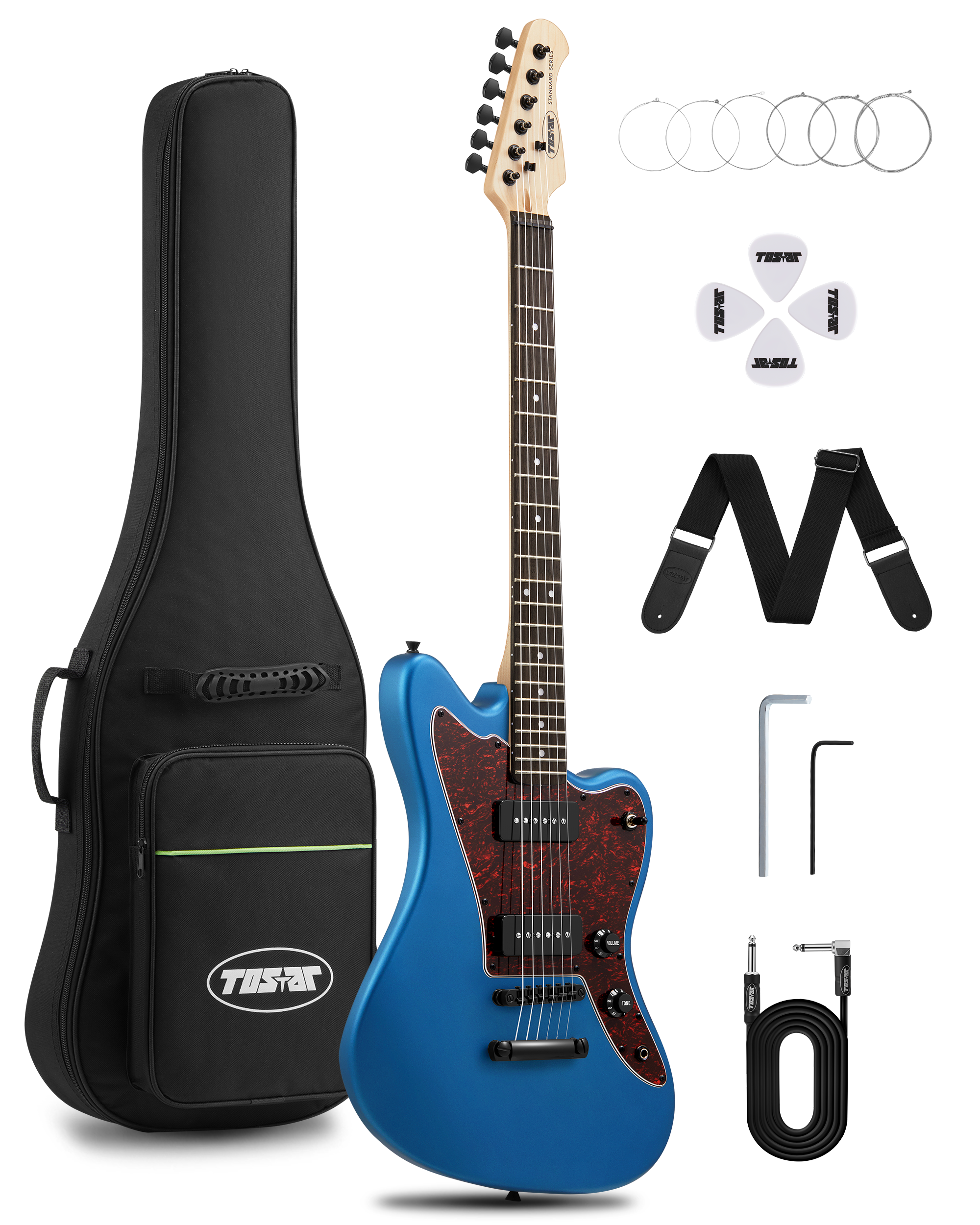
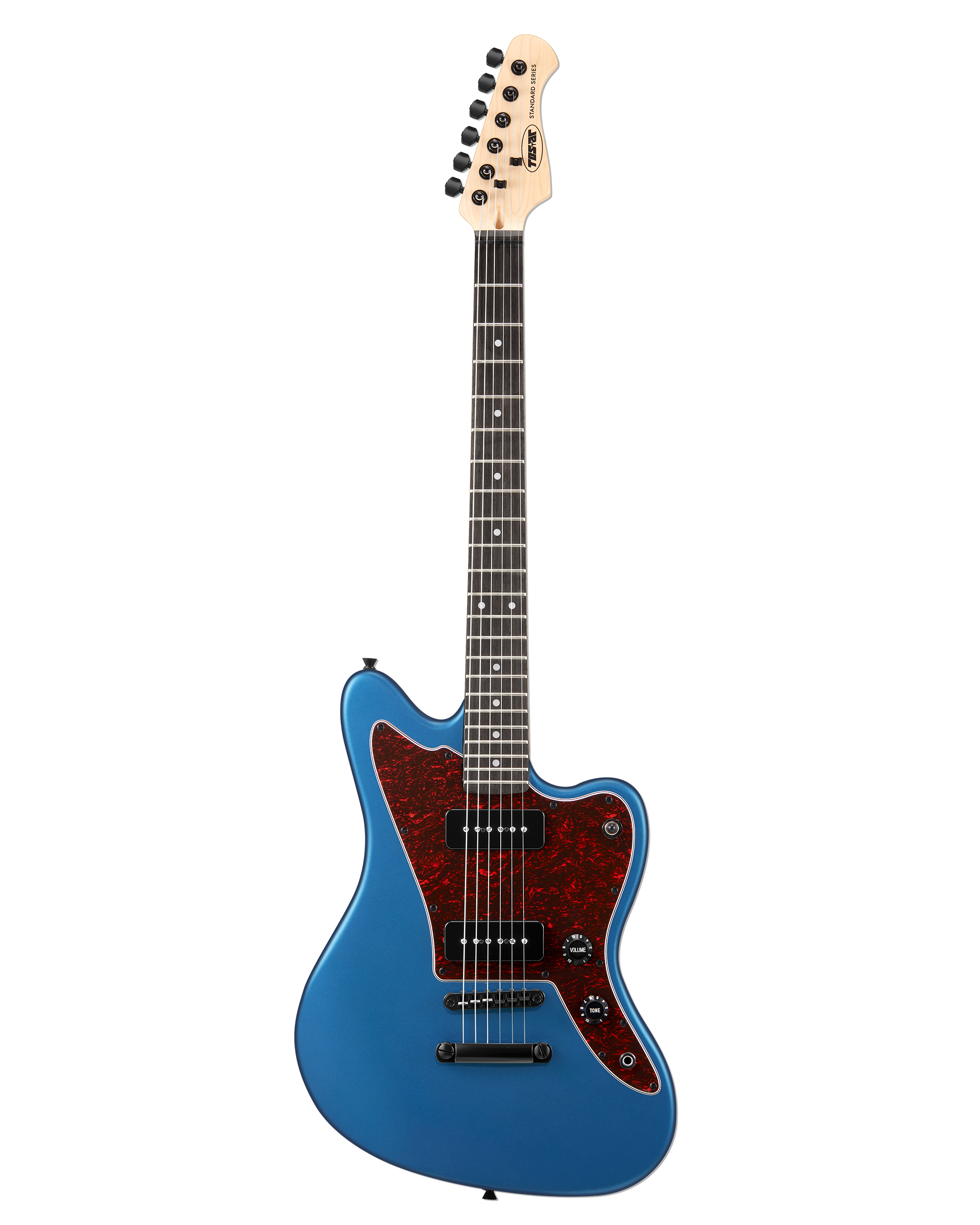
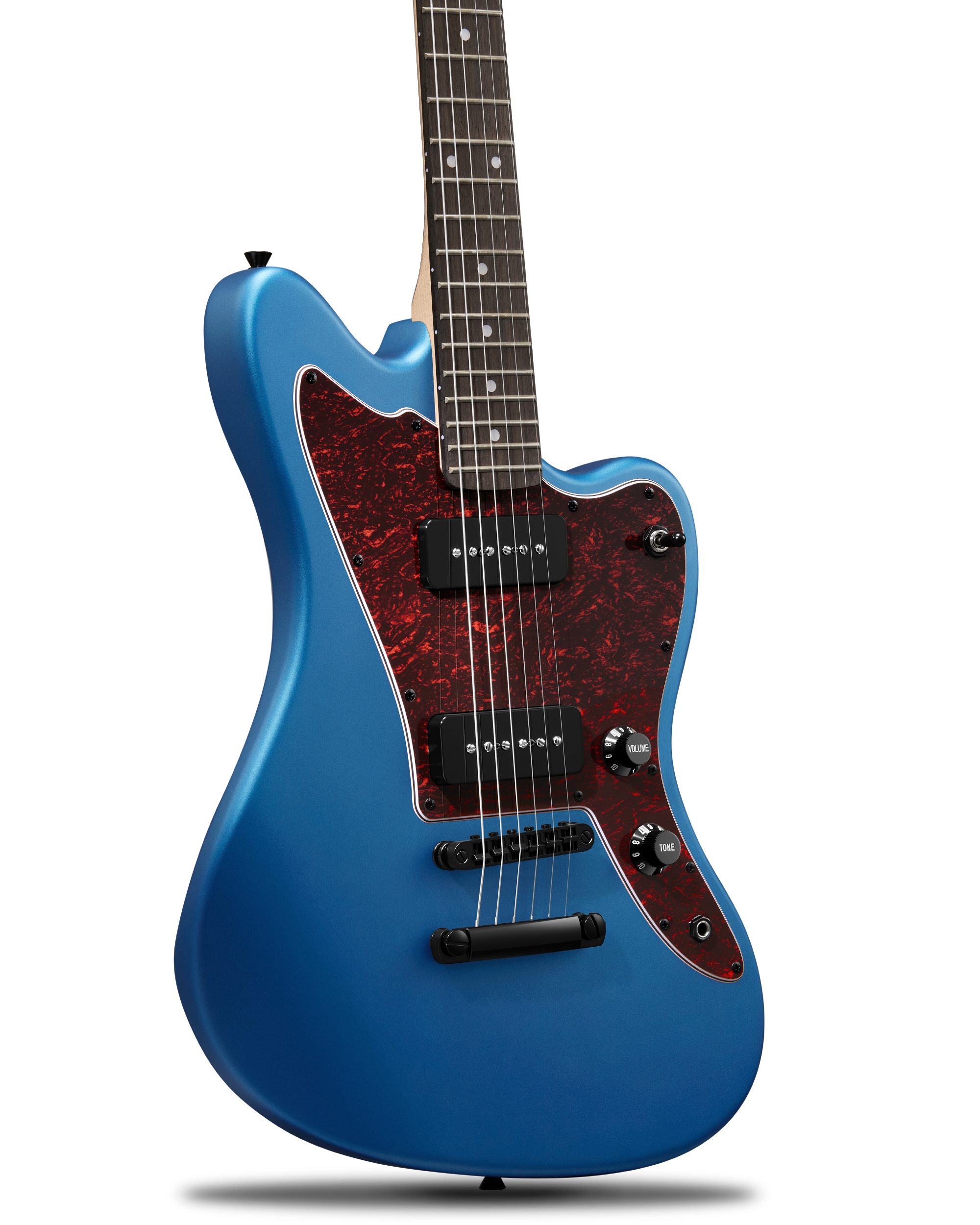
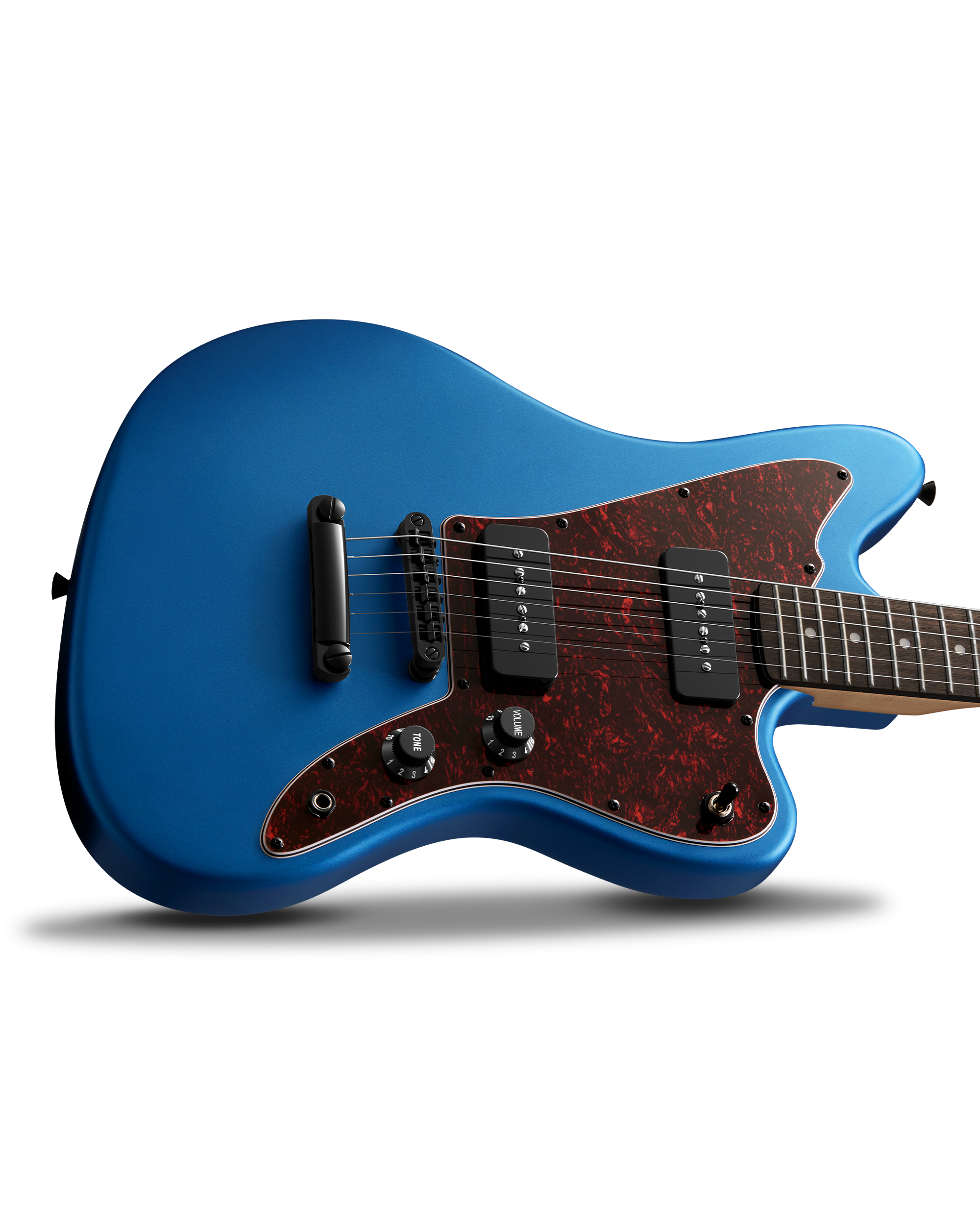
The TJM-160 features a classic offset body for comfort and balance, a smooth maple neck (with high-density HPL construction for stability and durability), and a 12" fingerboard radius for effortless bending and chording. It comes equipped with two powerful P-90 pickups that deliver rich, mid-forward tone – punchy and articulate, with that classic single-coil bite but more growl and sustain than traditional single-coils. The rhythm/lead circuit lets you switch between bright lead tones and warmer rhythm sounds instantly.
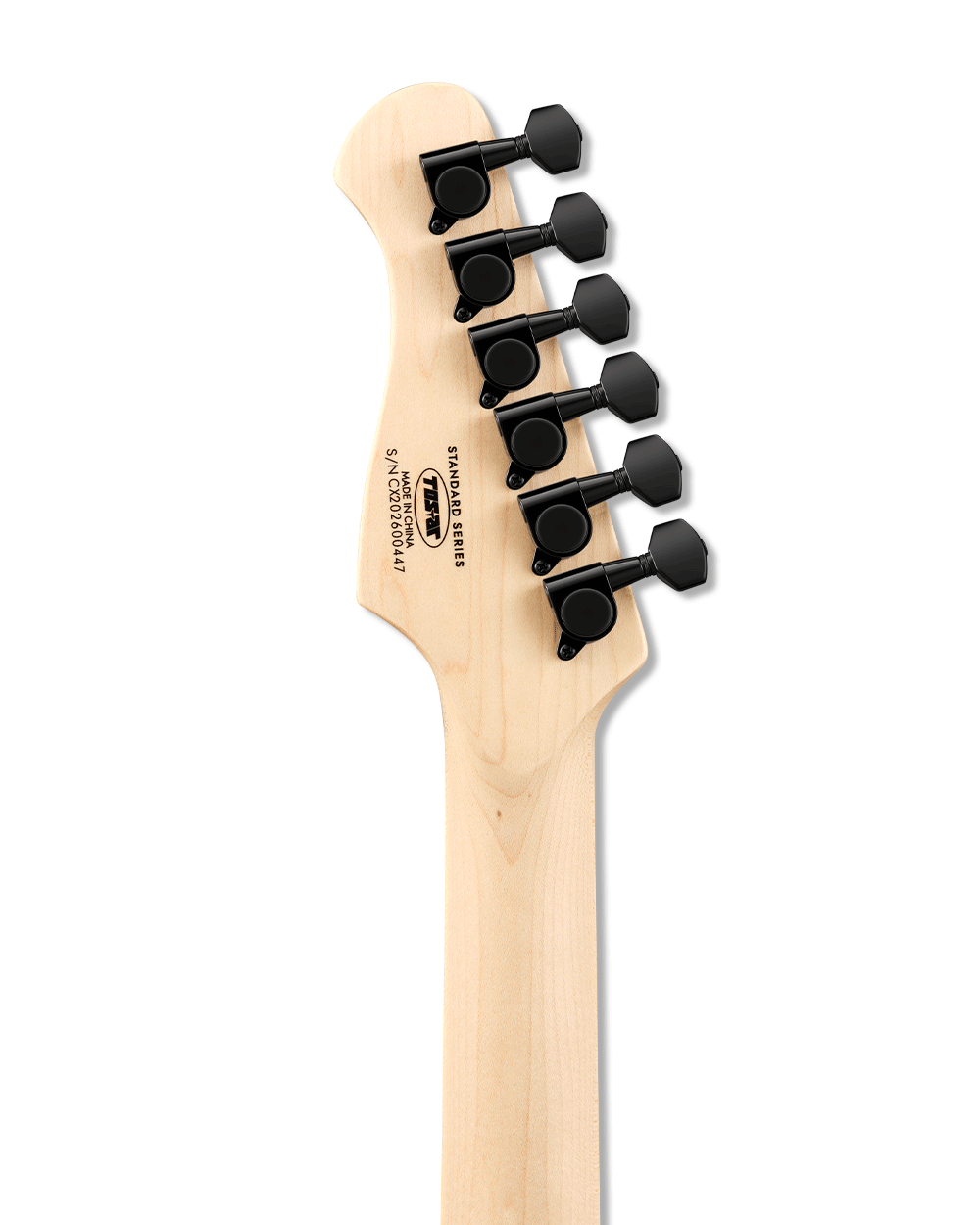
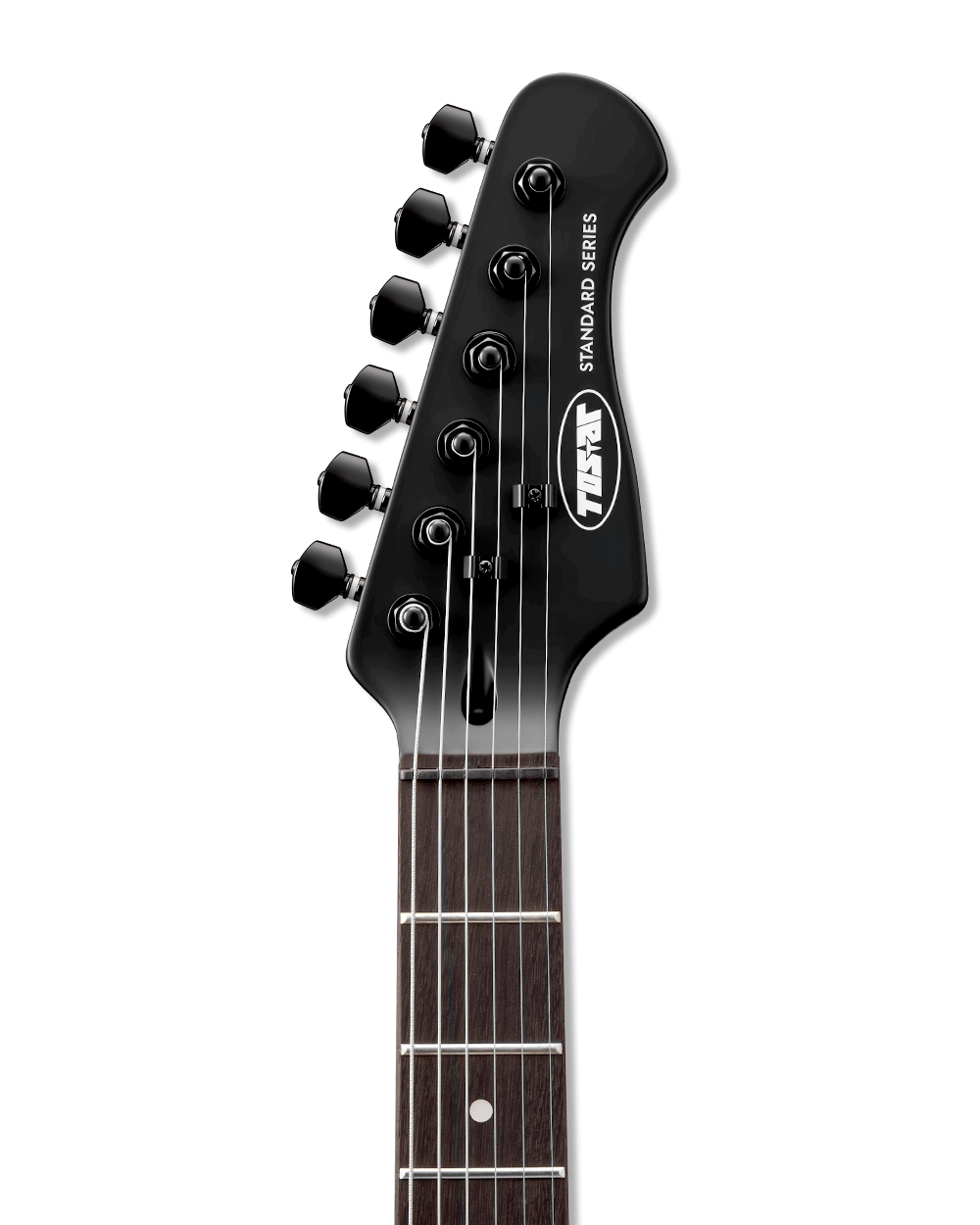
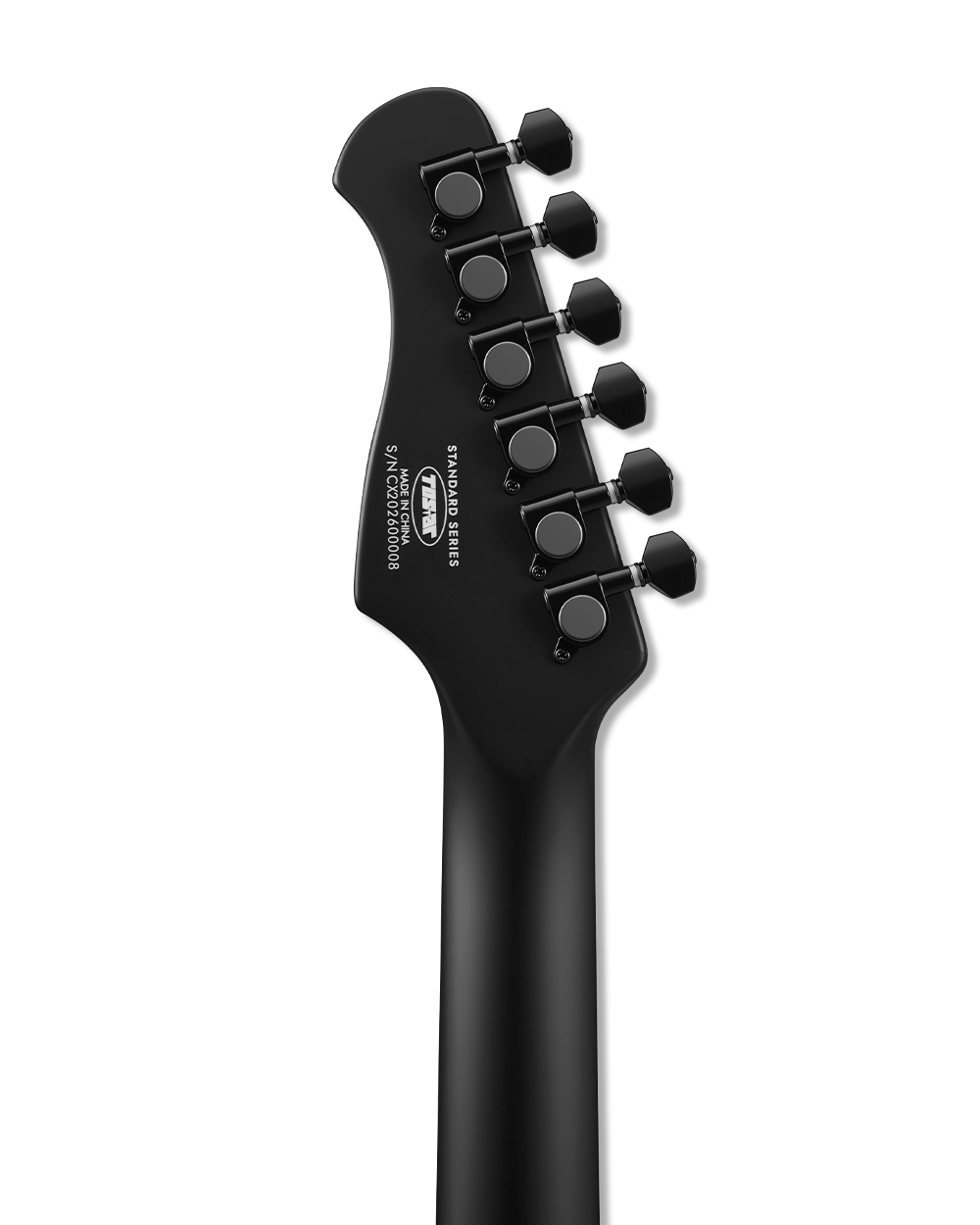
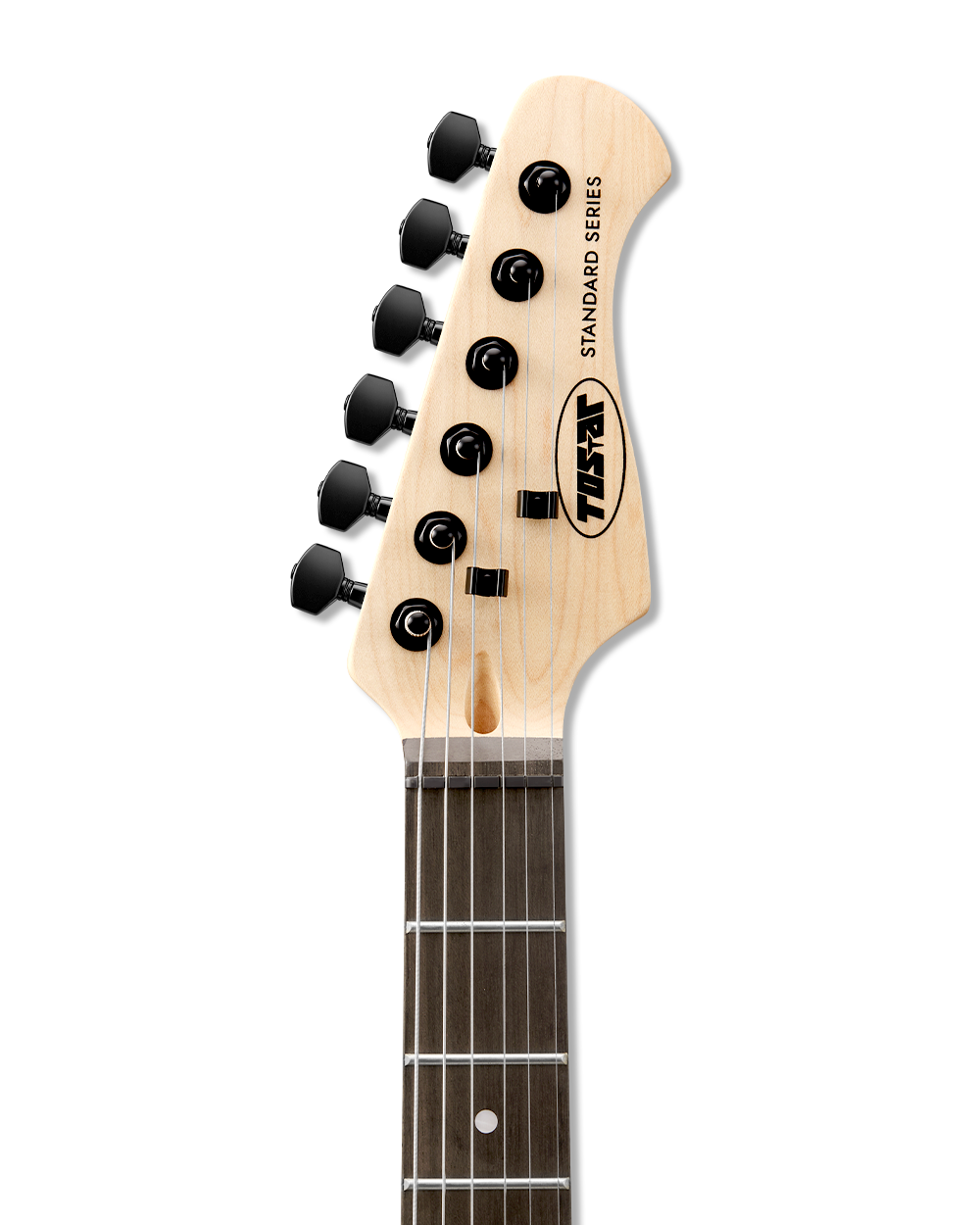
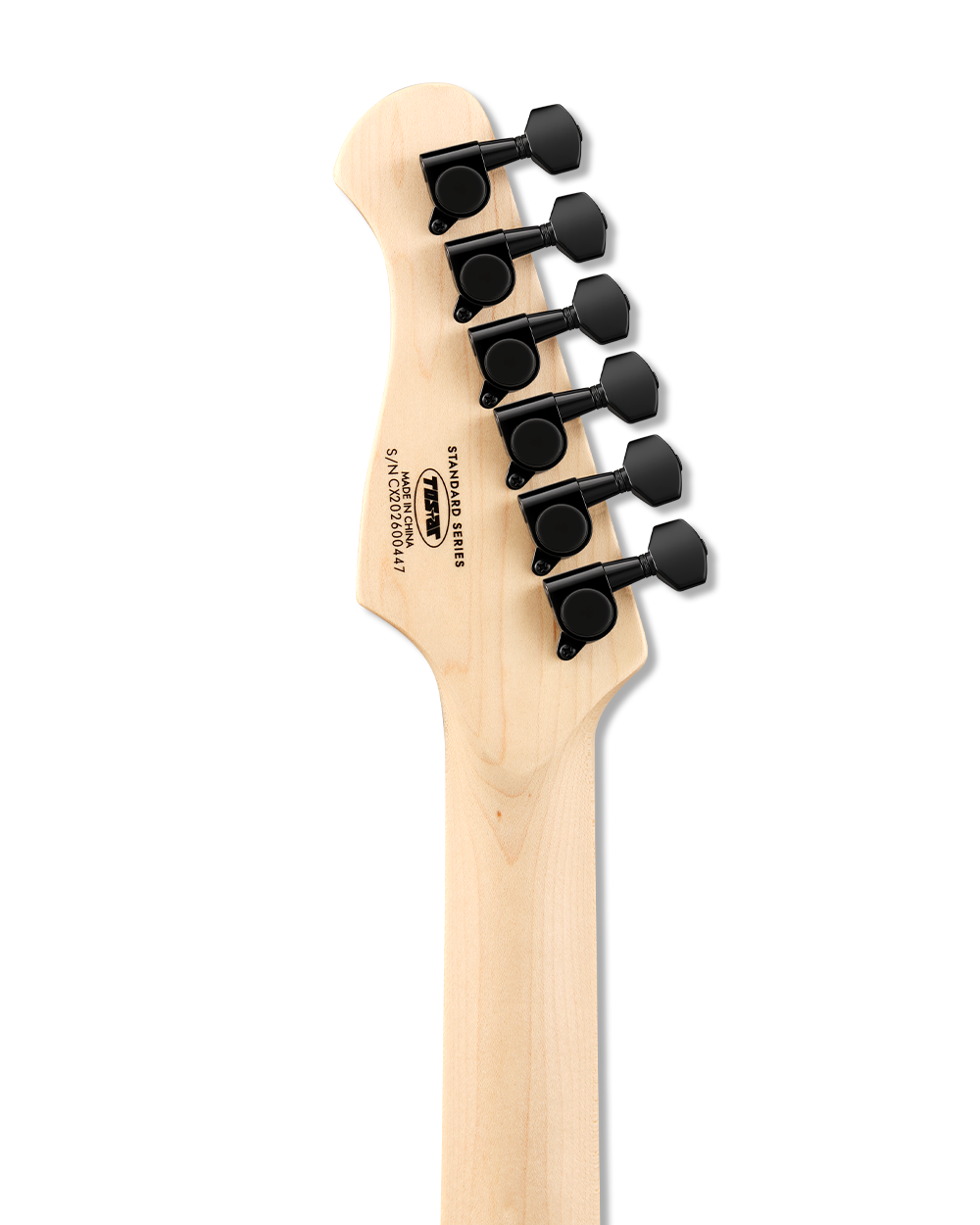
We paid special attention to the tremolo system, refining it for better tuning stability while preserving the expressive feel that JM players love. Chrome hardware, sealed tuners, and a comfortable 22-fret neck make it reliable and fun to play, whether you're practicing at home or performing live.
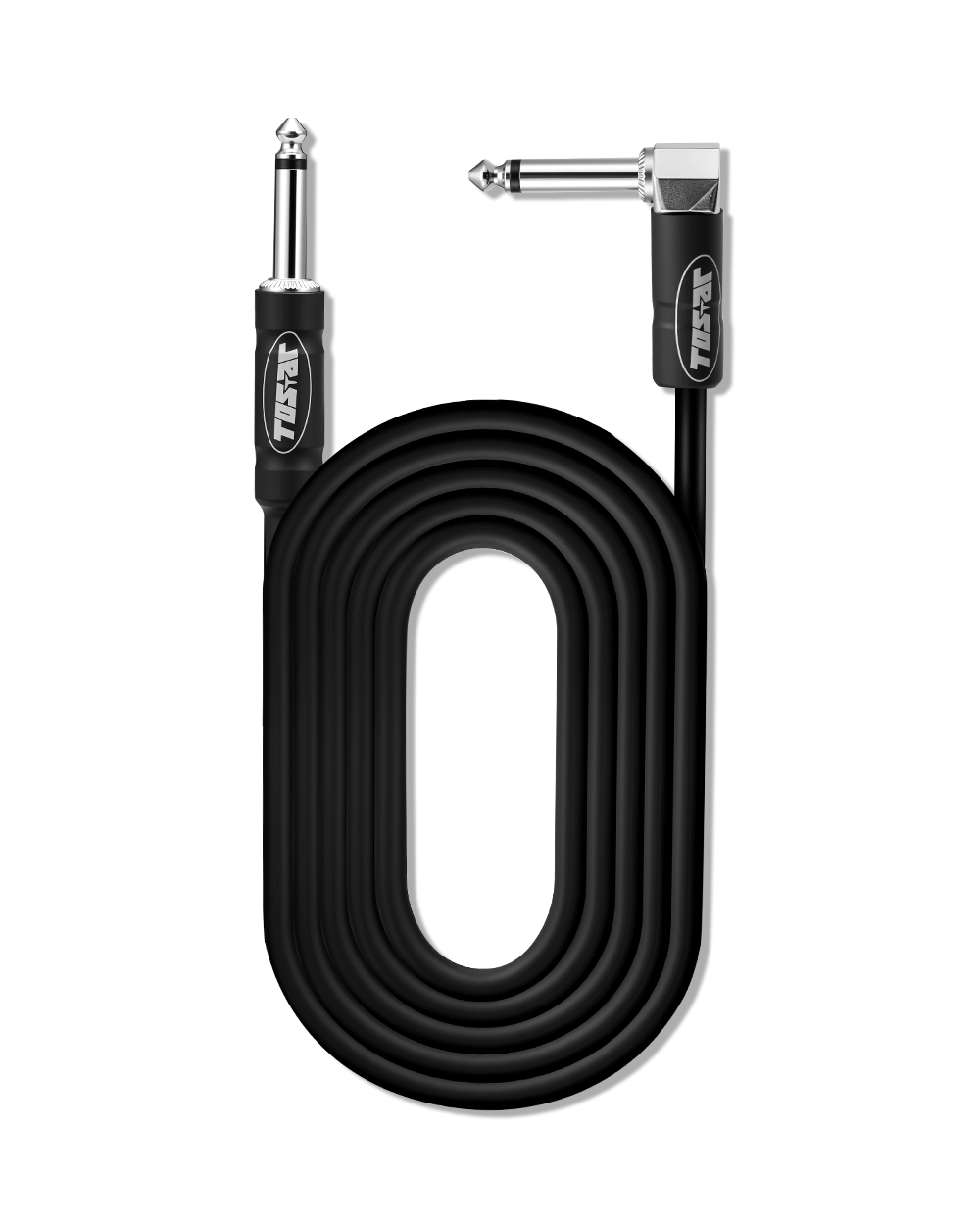
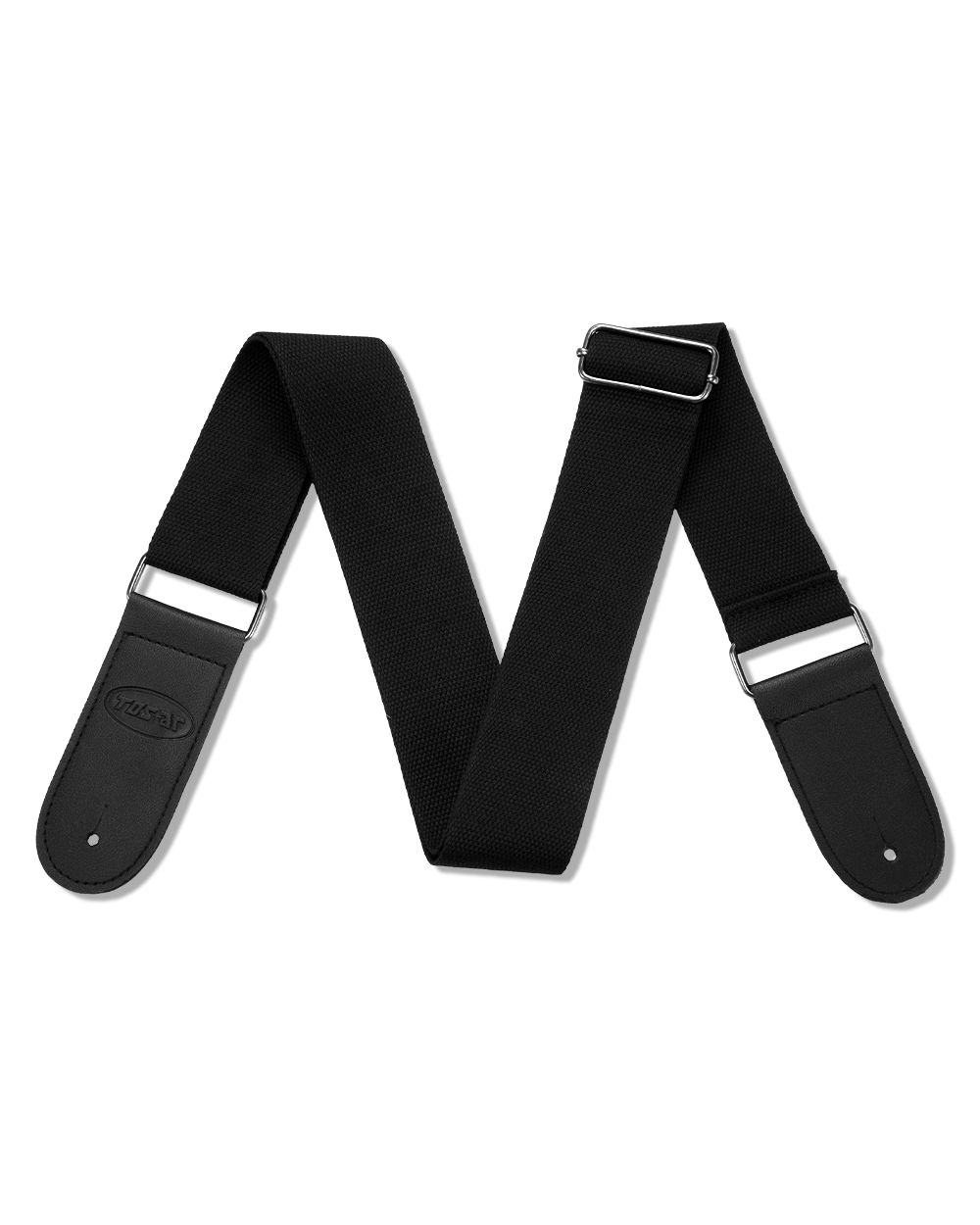
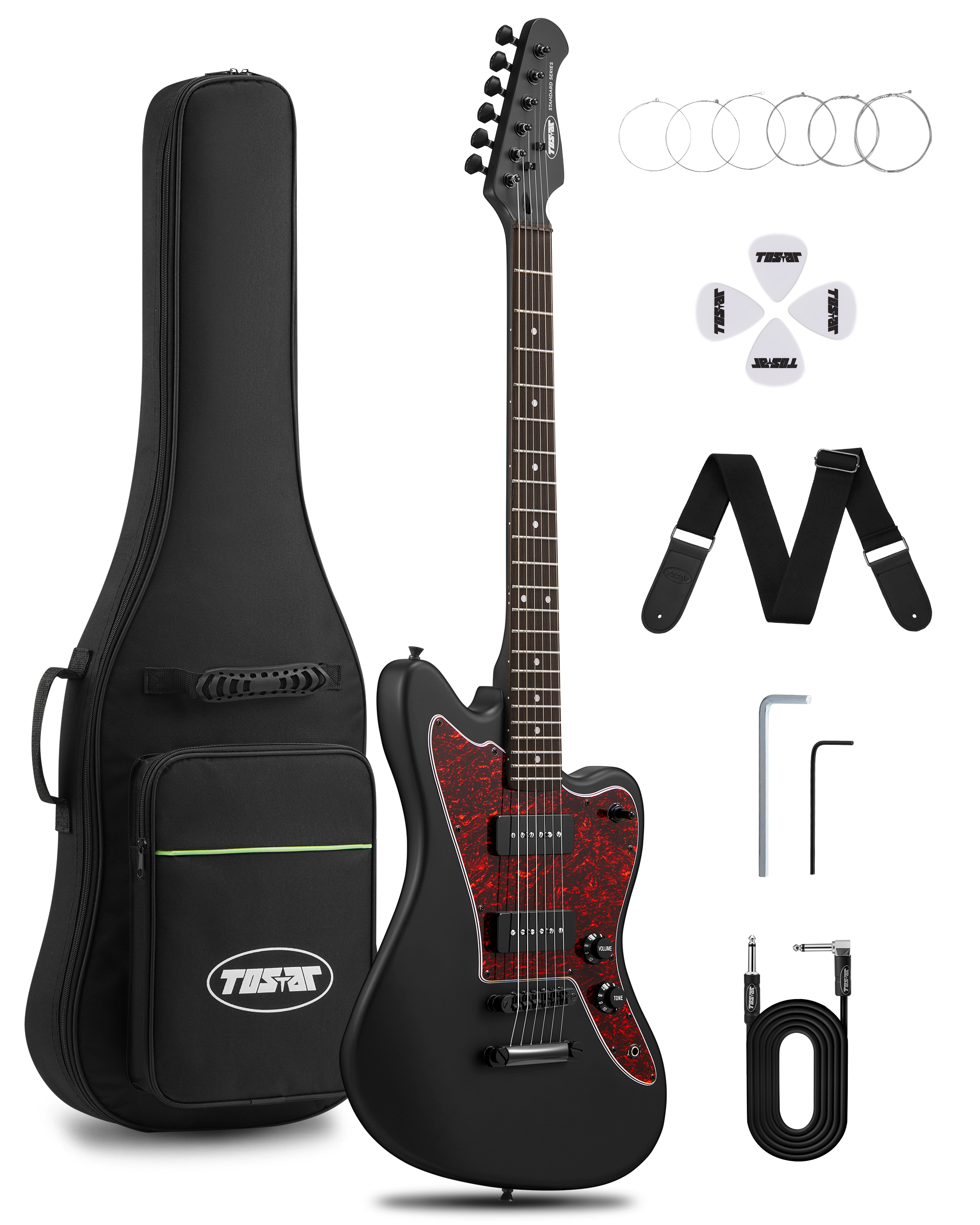
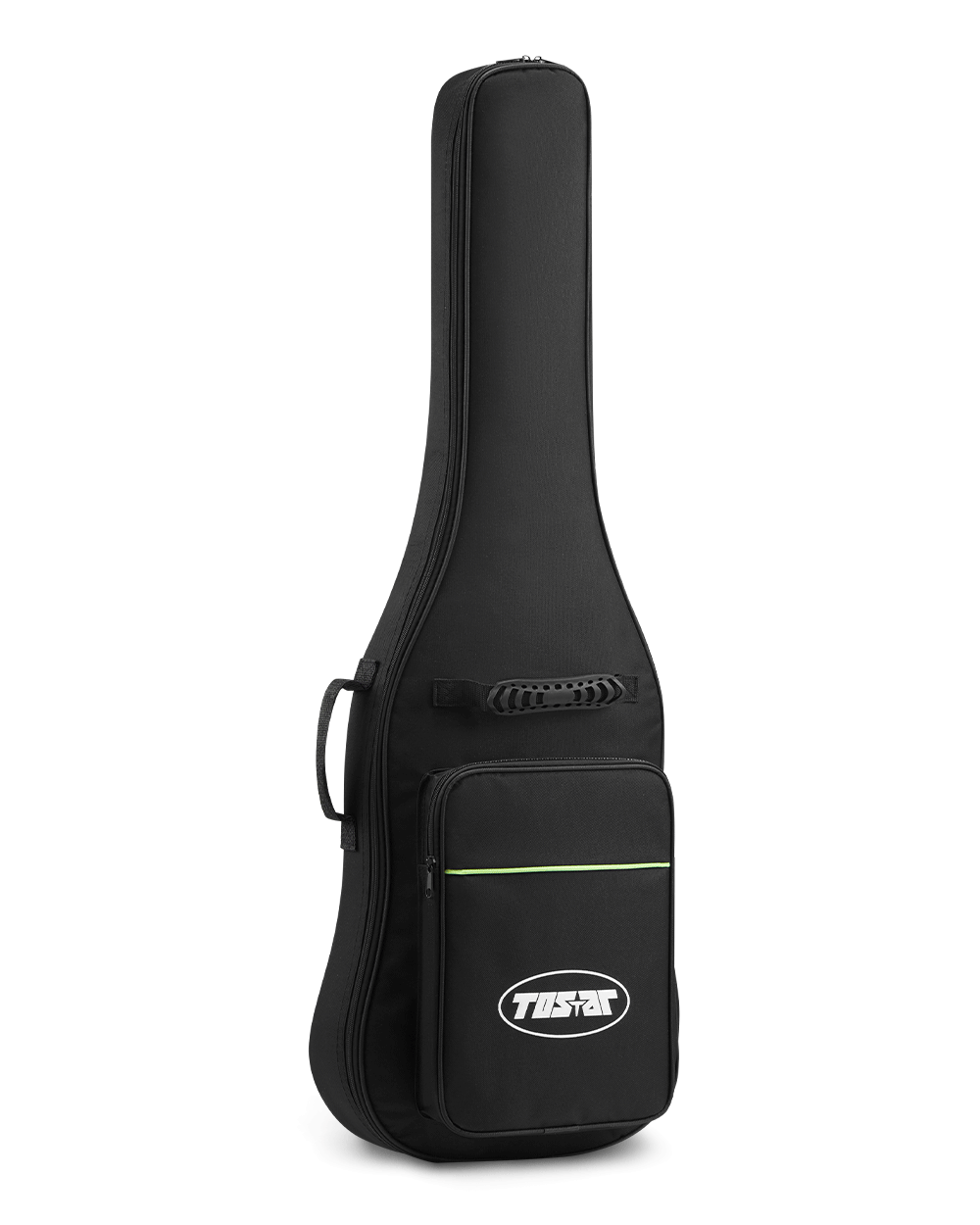
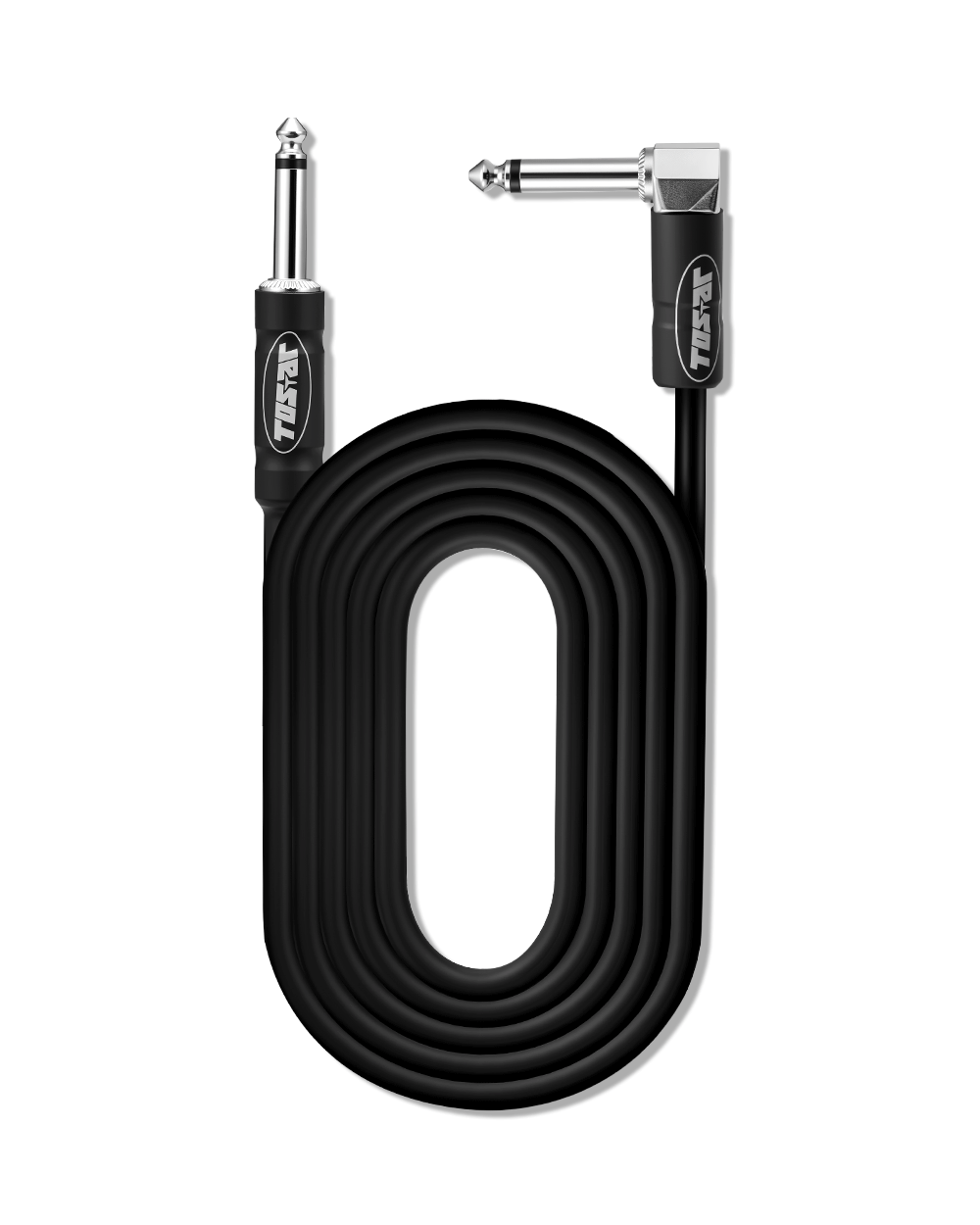
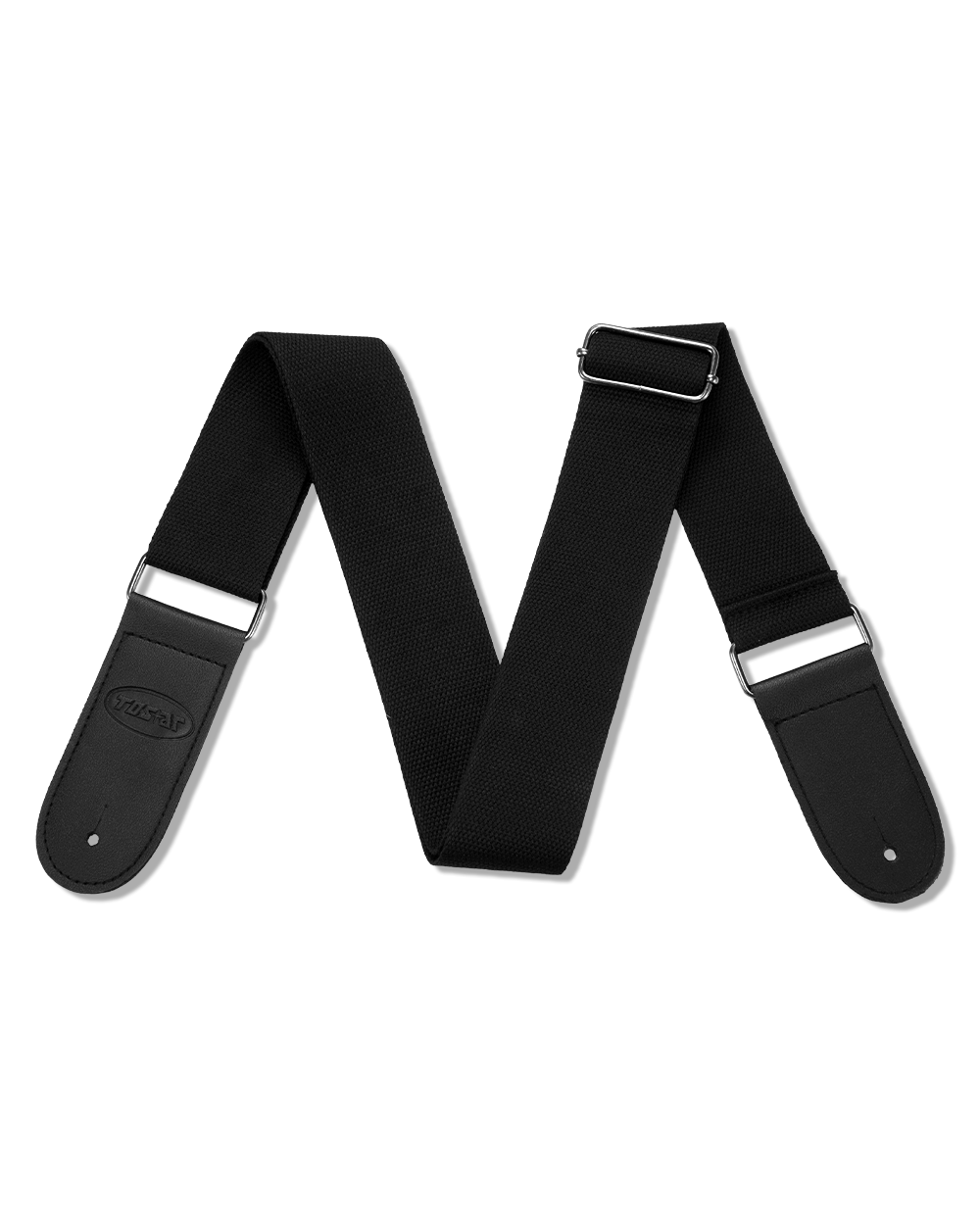
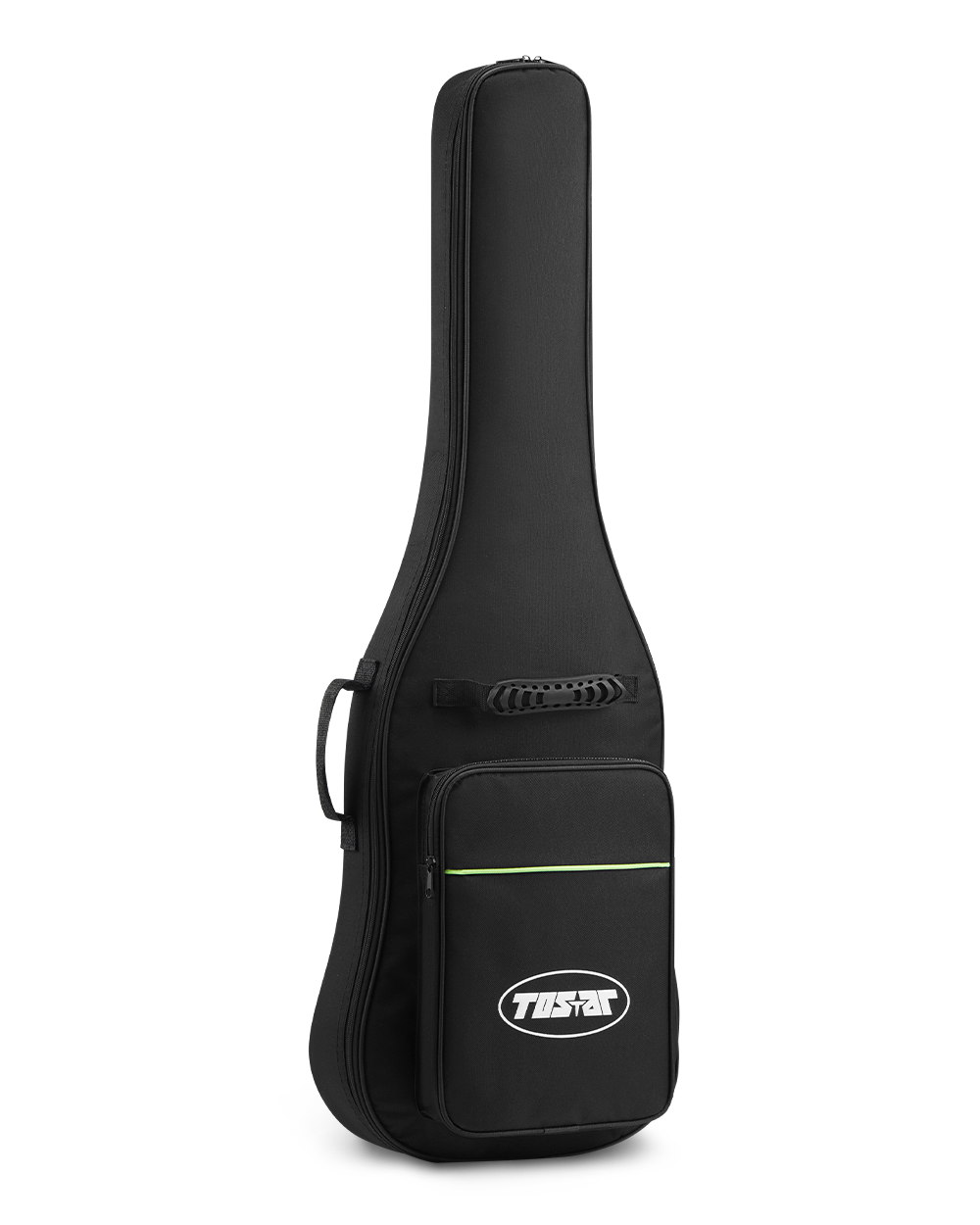
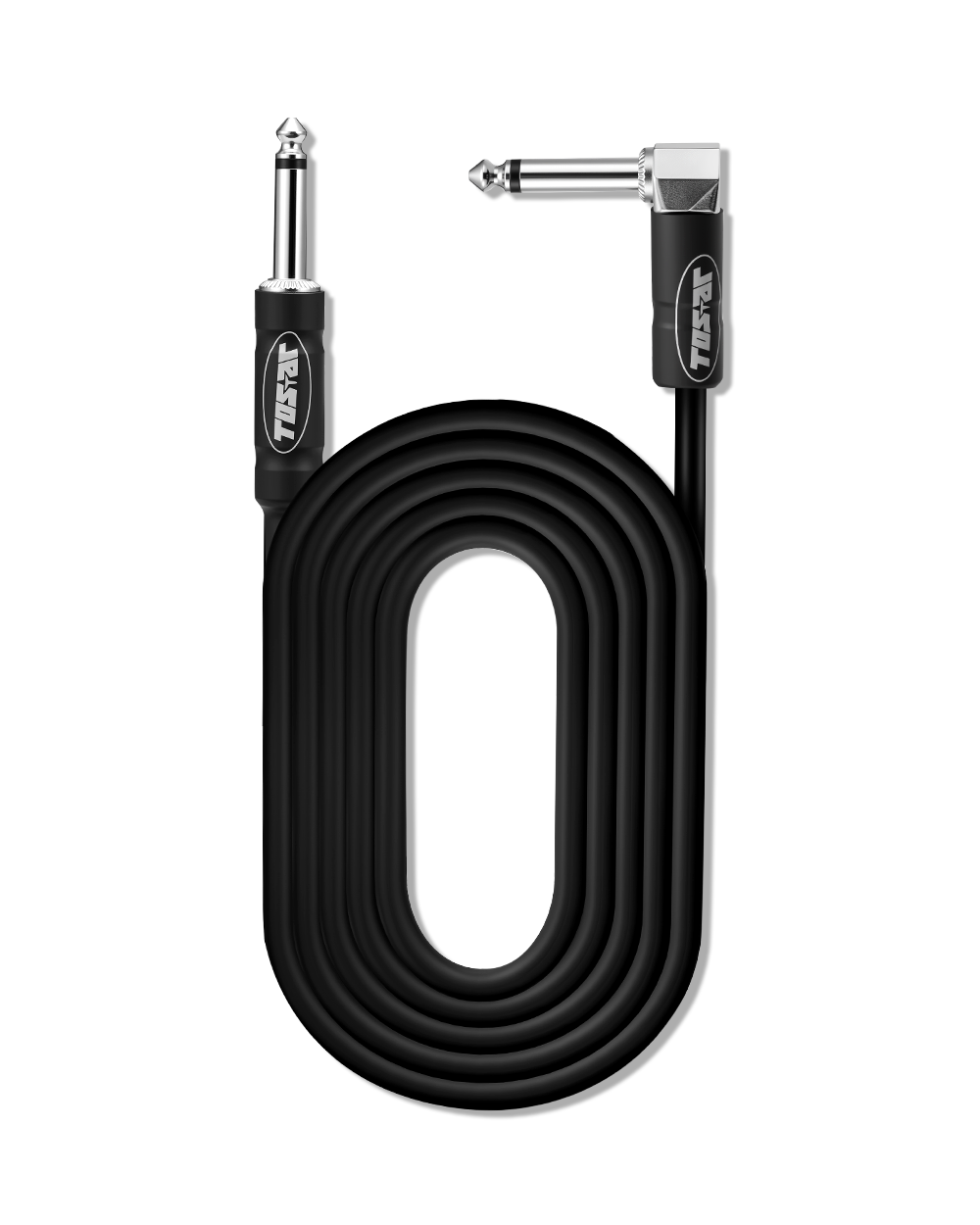
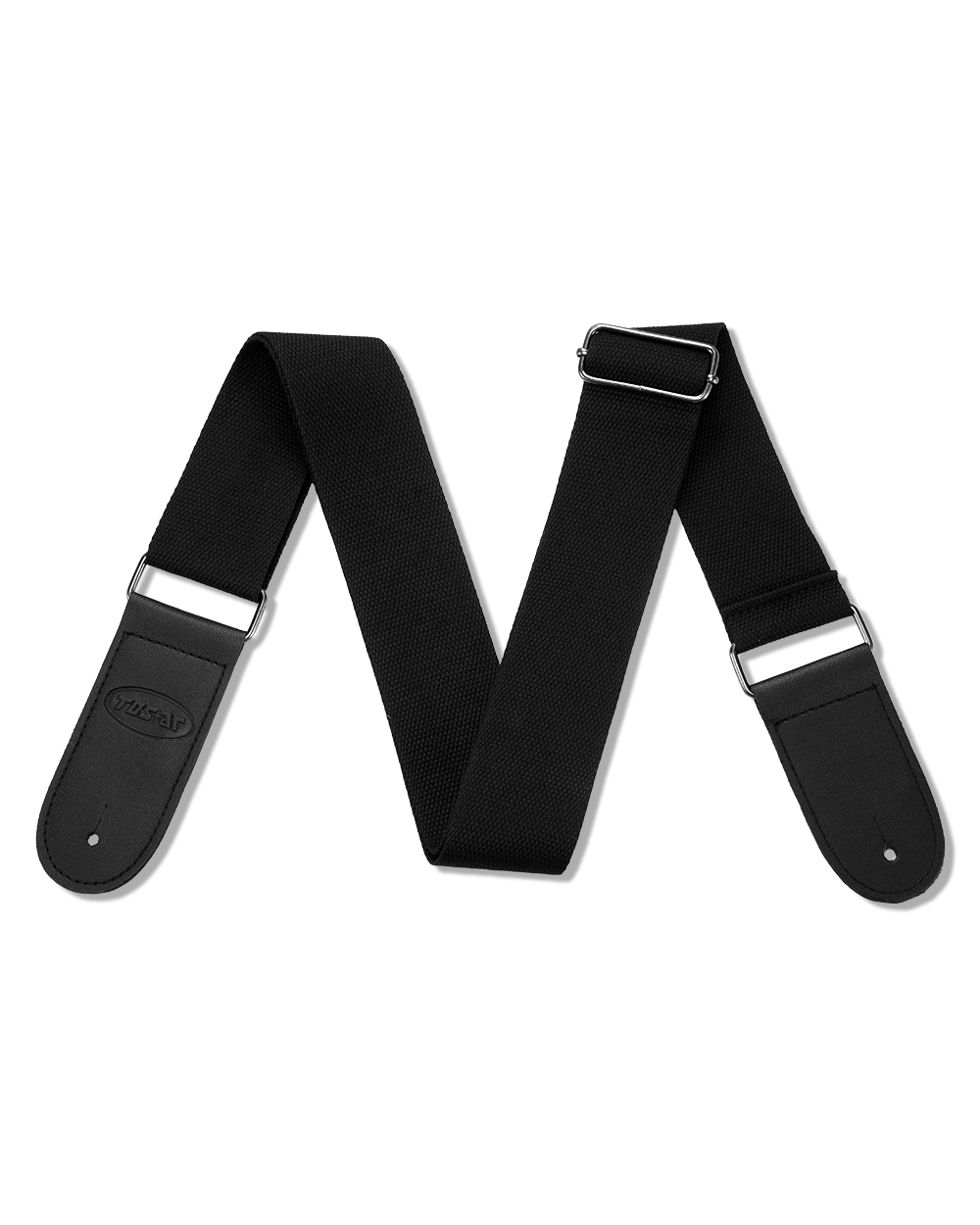
What really sets the TJM-160 apart is the complete beginner package: guitar, practice amp, gig bag, cable, strap, picks, and tuner – everything you need to start playing the day it arrives. Priced at just $129.99 (limited-time special), it's an unbeatable value for an authentic JM experience.
Customer feedback has been fantastic: "Feels like a real Jazzmaster but at a fraction of the price," "P-90s sound huge," "Perfect for beginners – everything included." The TJM-160 proves you don't need to spend thousands to enjoy this legendary design.
6. Ready to Play? Our Pick: The Tostar TJM-160 JM Electric Guitar Set at $129.99
If the Jazzmaster's unique look, sound, and history have caught your attention, the Tostar TJM-160 JM Electric Guitar Set is the perfect way to experience it – especially at our current special price of $129.99.
This complete package includes:
- Offset JM-style body for comfort and classic looks
- Two P-90 pickups for rich, punchy tone with single-coil clarity
- Rhythm/lead circuit for instant tonal versatility
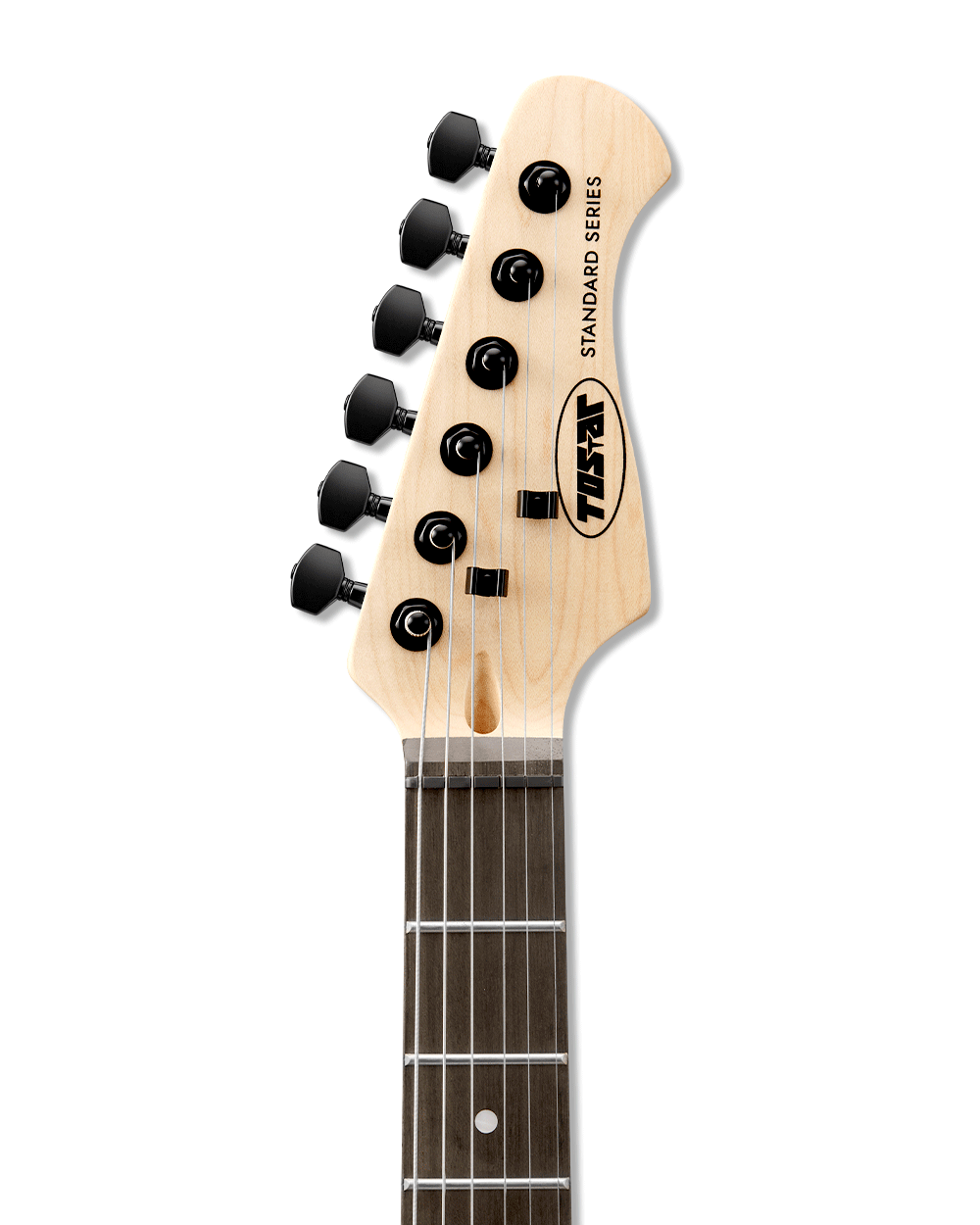
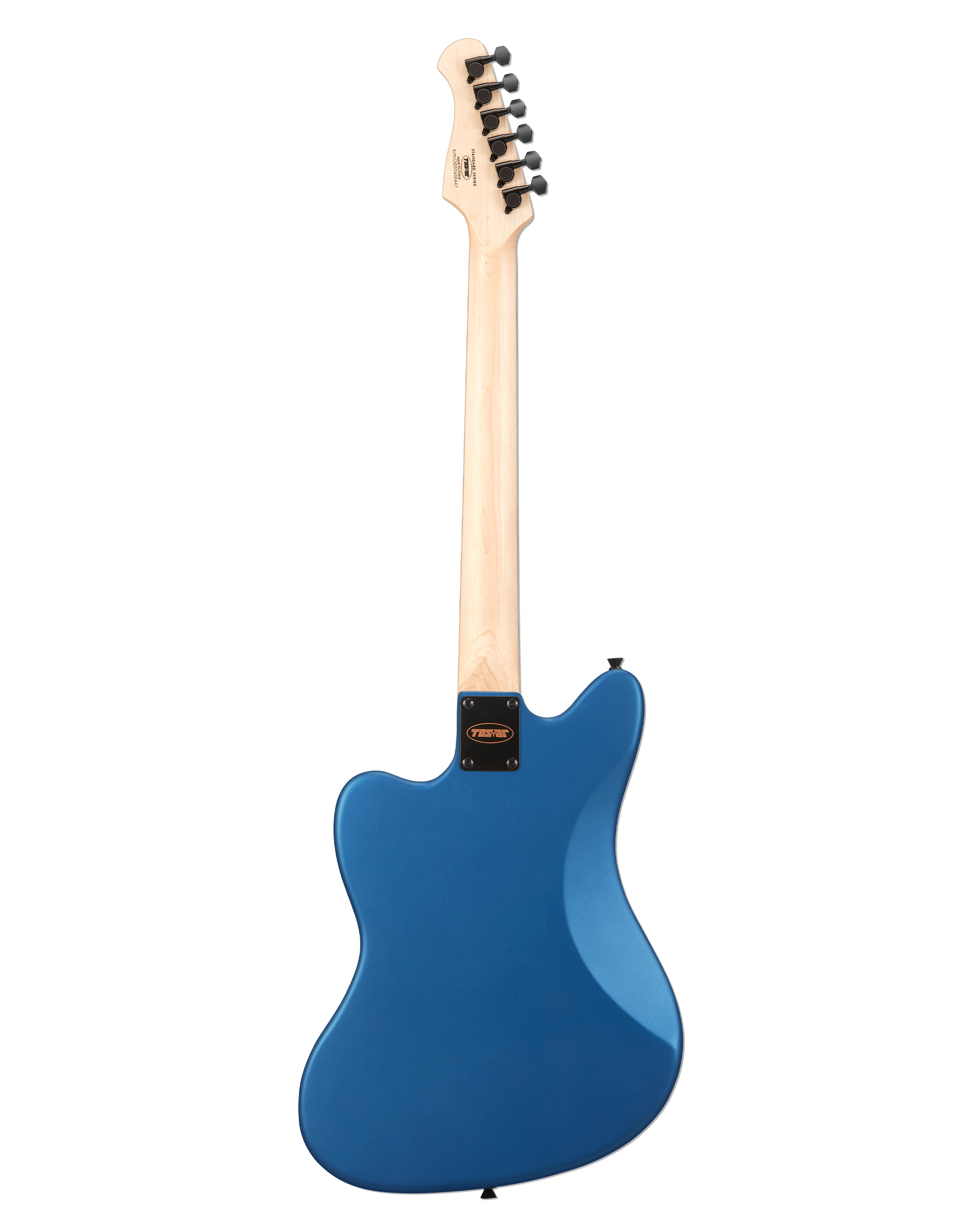
- Smooth maple neck with high-density HPL construction
- 12" radius fingerboard and 22 jumbo frets for easy playability
- Stable tremolo system for expressive vibrato
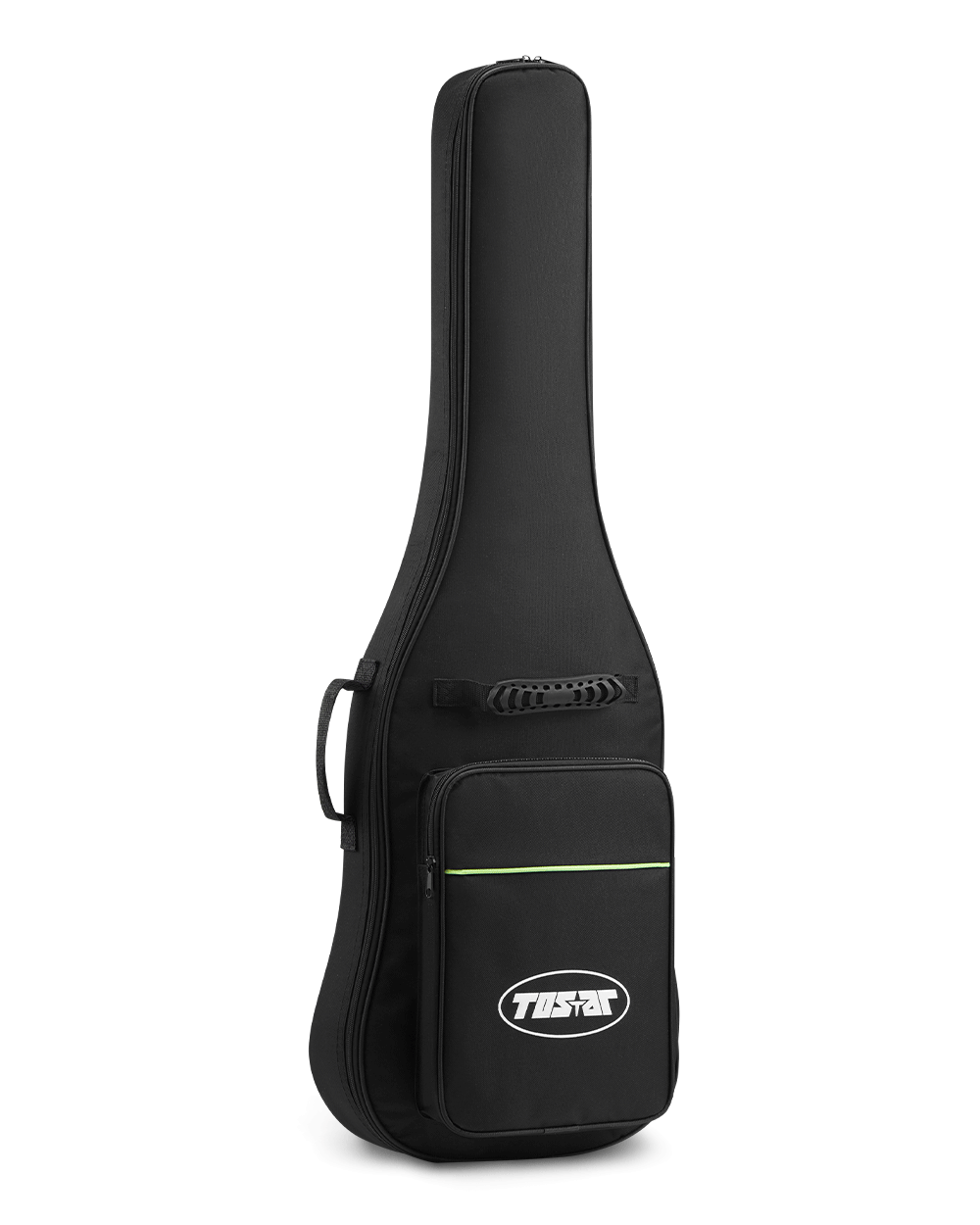
- Full starter kit: practice amp, gig bag, cable, strap, picks, tuner
Whether you're exploring surf-inspired cleans, indie jangle, or noisy experimental textures, the TJM-160 delivers authentic JM character at an unbeatable price. With Tostar's lifetime support and 30-day money-back guarantee, you can play with confidence.
Head over to Tostar Music now – grab yours before the $129.99 offer ends. Free shipping included. Your Jazzmaster journey starts here.
Acoustic vs Electric Guitars for Beginners: Which One Should You Start With?
Who Invented the Electric Guitar? A Beginner’s Guide to Its History and Why It Still Matters Today